
Late-Night Eating Linked to Up to 30% Higher Liver Disease Risk
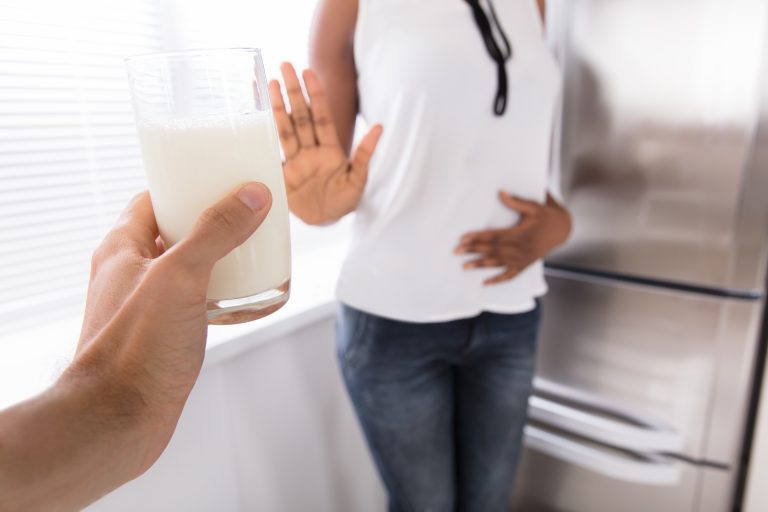
It is 9:30 at night. The dishes are done, the house is quiet, and somehow you find yourself standing in front of the open refrigerator, looking for “just a little something.” Most of us have been there. We tend to judge our eating by what is on the plate. But a large new analysis on late night eating and liver health raises a second question we rarely ask: when do you stop eating for the day?
Researchers at Oregon Health and Science University (OHSU) looked at nearly 200,000 adults and found that people who regularly ate after dinner or after bedtime had a 20% to 30% higher risk of liver disease than people who did not. You can read the summary in ScienceDaily’s report on the study.
Now, I want to be honest with you from the start. This kind of study shows a link, not proof that late snacks cause liver trouble. But the habit it points to is simple, free and in harmony with the way God designed your body to work. Let me walk you through what was found, why it may matter, and how to “close the kitchen” in a way that actually sticks.
🔬 What the Late Night Eating and Liver Study Found
The study, published in the journal Clinical Gastroenterology and Hepatology, drew on three long-running groups of people: the Nurses’ Health Study, the Nurses’ Health Study II and the Health Professionals Follow-up Study. Together they included nearly 200,000 adults who reported their eating habits over time.
The researchers defined late-night eating simply as eating after dinner or after bedtime. They then compared the people who did this regularly with the people who did not, and tracked who went on to develop liver disease.
The people who regularly ate late had a 20% to 30% higher risk of two liver conditions. The first is metabolic dysfunction-associated steatotic liver disease, or MASLD. That is the new medical name for what most of us know as fatty liver disease (it used to be called NAFLD). The second is cirrhosis, which means advanced scarring of the liver.
Reading the Numbers Wisely
That 20% to 30% figure is a relative increase. It does not mean a late snacker has a 30% chance of getting liver disease. It means that, compared with people who stop eating earlier, the risk appeared somewhat higher in the late eaters.
Lead author Dr. Robert Wilechansky, a liver specialist at OHSU, also made an important point in the OHSU press release: most people with fatty liver never develop serious scarring. So this is not a reason for fear. It is a reason for wise, gentle attention.
The Honest Limitations
This was an observational study, meaning researchers watched patterns in people’s lives rather than assigning them to eat at certain times. Eating times were self-reported and broadly defined. Late eaters may differ from early eaters in other ways too, such as sleep, stress, work schedules or food choices, and those factors could help explain the link.
Dr. Wilechansky himself cautioned that the study is observational and based on broad self-reported data. The authors say controlled research is needed. In fact, OHSU is now recruiting for a study that will track meal timing directly to see whether eating earlier improves measures of fatty liver disease. One study is never the final word, and I will tell you shortly what other research has found.
Did You Know?
According to the Mayo Clinic, fatty liver disease typically causes no symptoms. Many people only learn about it through routine blood work or an imaging test done for another reason.
⏰ Why Eating Late at Night May Matter: Meal Timing and Circadian Rhythm
Your body runs on an internal 24-hour clock called the circadian rhythm. It is a built-in timing system that tells your organs when to be active and when to rest. It guides your sleep, your hormones, your body temperature and, yes, your digestion.
Your liver is one of the hardest-working organs you have. It processes the nutrients from your meals, stores energy and handles fats. Like the rest of you, it follows that daily rhythm. During the day it is geared up for work. At night, as your body prepares for sleep, the whole system shifts toward rest and repair.
Co-author Dr. Andrew McHill, a sleep and circadian scientist at OHSU, explained that his earlier work showed something striking: eating at night, when the body clock is promoting sleep, reduces the body’s ability to metabolize food efficiently. In plain English, the same snack may be handled less smoothly at 10 p.m. than it would have been at noon.
When I explain this to patients, I compare it to asking a factory crew to keep running the assembly line after the shift has ended and the cleanup crew has arrived. The work gets done, but not as well. Over years, repeatedly asking your metabolism to work the night shift may add up. That is the idea researchers are now testing.
If you want to learn more about how light, sleep and timing set your internal clock, I wrote about it in my article on resetting your body clock.
What Other Research Says (A Balanced View)
I promised you honesty, so here is the other side. Several clinical trials have tested “time-restricted eating,” which means eating all your food within a set window of hours each day. These trials looked at liver fat directly.
- In an 8-week randomized trial of 40 patients with fatty liver, eating from 8 a.m. to 4 p.m. lowered liver fat by an absolute 3.24%, and eating from noon to 8 p.m. lowered it by 3.51%. The authors found both approaches comparable, so the earlier window showed no clear advantage.
- In the TREATY-FLD trial of 88 people with obesity and fatty liver, followed for 12 months, liver fat fell 6.9% with an 8-hour eating window and 7.9% with daily calorie restriction. The difference was not significant, and the authors emphasized the importance of eating fewer calories.
- A 12-week multicenter randomized trial found that early, late or self-chosen 8-hour eating windows, added to Mediterranean-style usual care, did not lower liver fat more than usual care alone.
So what do we make of all this? The trials suggest that overall eating habits and healthy weight matter a great deal, and that the clock time alone may not be magic. The new OHSU findings point toward the habit of not eating after dinner or after bedtime as something worth studying more closely. I see these as two pieces of the same picture: eat well, eat less mindlessly, and give your body a real overnight rest.
In my own practice, I have found that the late-evening snack is often where the extra calories hide. It is rarely a bowl of broccoli at 10 p.m. It is chips, cookies, ice cream or a second helping eaten in front of the television. Closing the kitchen addresses both the timing and the type of food at once.
🌙 How to Stop Eating Before Bed: Natural Steps for Fatty Liver Disease Prevention Habits
The National Institute of Diabetes and Digestive and Kidney Diseases (NIDDK) reports that losing at least 3% to 5% of body weight can reduce liver fat, that 7% to 10% may be needed to reduce inflammation and scarring, and that physical activity is beneficial even without weight loss. Mayo Clinic likewise says care usually begins with a healthy diet, portion control and exercise. Here are the everyday habits I encourage, with a strong evening routine at the center.
Close the Kitchen
Pick a set time after dinner when eating is done for the day. Wipe the counter, turn off the kitchen light and brush your teeth. Small rituals send a clear signal to your brain.
Make Dinner Satisfying
Build your evening meal around non-starchy vegetables, a palm-sized portion of protein and healthy fats like olive oil or avocado. A filling dinner makes late cravings far less likely.
Shift Calories Earlier
Many people skimp all day and then overeat at night. Eat a real breakfast or lunch with protein and fiber so you are not ravenous after sundown.
Take an After-Dinner Walk
A short, easy stroll after your evening meal gets you out of the kitchen and keeps you moving. NIDDK notes that physical activity helps even without weight loss.
Swap the Snack for a Sip
Evening hunger is often habit, boredom or thirst. A glass of water or a cup of caffeine-free herbal tea can carry you through to bedtime.
Fill the Evening With Peace
Replace screen-time snacking with prayer, reading, a phone call to a friend or a conversation with your spouse. A calm evening also prepares you for restful sleep.
If sugar and starch cravings are what pull you back to the pantry at night, my article on taming carb cravings offers practical strategies that many of my patients have found helpful.
A Word of Caution
If you have diabetes or blood sugar concerns, take insulin or other glucose-lowering medicines, are pregnant, or have a history of disordered eating, please talk with your doctor before changing when you eat or trying any kind of fasting. Night-shift workers will need a flexible plan built around their own sleep schedule.
✦ Dr. Colbert’s Faith Perspective
Honoring the Rhythm God Built Into You
From the very first page of Scripture, God set life into rhythms: “So the evening and the morning were the first day” (Genesis 1:5). Day and night, work and rest, sowing and harvest. Your body clock is not an accident. It is part of how you were fearfully and wonderfully made (Psalm 139:14).
Solomon wrote, “To everything there is a season, A time for every purpose under heaven” (Ecclesiastes 3:1, NKJV). There is a time to eat, and there is a time to rest from eating. When we honor that rhythm, we are practicing stewardship of the temple God has entrusted to us (1 Corinthians 6:19-20).
I also love what can fill the space when the kitchen closes. Instead of reaching for a snack, reach for your Bible, your family or a quiet moment of gratitude. Many of my patients tell me their evening prayer time became richer once it was no longer competing with the pantry.
“It is vain for you to rise up early, To sit up late, To eat the bread of sorrows; For so He gives His beloved sleep.” (Psalm 127:2, NKJV)
“Your liver works faithfully for you all day long. One of the kindest things you can do in return is to close the kitchen at night and let it rest.”
Dr. Don Colbert, MD
For readers who want to go deeper, a longer overnight break from food is really the gentlest form of fasting. I explain the science and the practical steps in my book, Dr. Colbert’s Fasting Zone, and you can also read my overview of what happens in your body when you fast.
From Dr. Colbert’s Bookshelf
Dr. Colbert’s Fasting Zone
Closing the kitchen earlier is the first step toward a healthy rhythm of eating and resting. In Fasting Zone, I walk you through how to lengthen your overnight break safely, how to choose foods that keep you satisfied, and how to approach fasting as both a physical reset and a spiritual discipline. It is a practical, faith-filled guide for anyone ready to give their body the rest it was designed for.
✅ Your “Close the Kitchen” Action Plan
Here is the simple plan I give my patients. Start with one or two steps this week, then add more as they become second nature.
- Choose your closing time. Decide when your eating ends each evening, ideally a few hours before bed. Many of my patients begin with about three hours and adjust from there.
- Eat a protein-rich, fiber-rich dinner. Fill half your plate with vegetables, add a moderate portion of protein and some healthy fat so you go to bed satisfied, not hungry.
- Front-load your day. Eat real meals earlier so evening hunger does not ambush you.
- Create a closing ritual. Clean up, turn off the kitchen light and brush your teeth right after dinner.
- Move after dinner. Take a short, easy walk, alone, with your spouse or with the dog.
- Keep a calming drink ready. Water or caffeine-free herbal tea can replace the habit of a late snack.
- Guard your screen time. Much nighttime snacking happens in front of the television. Read, pray or talk instead.
- Know your liver numbers. Ask your doctor whether routine blood work shows anything to watch, especially since fatty liver is often silent.
- Be patient and gracious with yourself. If you slip one night, simply begin again the next evening. Progress, not perfection.
❓ Frequently Asked Questions
Is eating late at night bad for your liver?
A study of nearly 200,000 adults found that people who regularly ate after dinner or after bedtime had a 20% to 30% higher risk of fatty liver disease and cirrhosis. However, this was an observational study, so it shows a link rather than proof that late eating causes liver problems. Controlled studies are underway to learn more.
How many hours before bed should I stop eating?
The study did not set an exact number, but the lead researcher suggested that confining calories to several hours before bedtime might be beneficial. Many people find that finishing dinner about three hours before bed is a realistic starting point. If you have a medical condition or take medication, ask your doctor what is right for you.
Can fatty liver disease improve with lifestyle changes?
According to NIDDK, losing at least 3% to 5% of body weight can reduce liver fat, and physical activity is beneficial even without weight loss. Mayo Clinic notes that care usually starts with a healthy diet, portion control and exercise. Anyone with known liver disease should work closely with their physician.
Does fatty liver cause symptoms?
Fatty liver disease typically causes no symptoms, which is why it often goes unnoticed. If you have ongoing fatigue, discomfort in the upper right side of your abdomen, or abnormal liver tests, please see your doctor for a proper evaluation.
What if I work the night shift?
Night-shift workers live on a different schedule, so a rigid evening cutoff may not fit. The same principle can still apply: try to eat your main meals during your waking hours and avoid eating right before your main sleep period. Talk with your doctor about a plan built around your schedule.
🌅 A Final Word of Encouragement
I love research like this because it reminds us that good health is often found in simple choices, not complicated ones. You do not need special equipment or an expensive program to close the kitchen after dinner. You only need a decision and a little grace with yourself as the new habit forms.
The science is still unfolding, and I will keep you updated as OHSU and others test whether eating earlier truly helps the liver. In the meantime, a filling dinner, an evening walk and a peaceful night without the pantry are good for your whole body, and they honor the rhythm God placed within you. As the psalmist wrote, “I will both lie down in peace, and sleep; For You alone, O Lord, make me dwell in safety” (Psalm 4:8, NKJV).
Tonight, try turning off the kitchen light a little earlier. Spend those quiet minutes in gratitude, and let your body rest the way it was designed to.
Dr. Don Colbert, MD
Sources
- Eating late at night linked to up to 30% higher risk of liver disease, ScienceDaily, 2026
- Late-Night Eating is Associated with MASLD and Cirrhosis: The Nurses’ Health Study and Health Professionals’ Follow-Up Study, Wilechansky RM, Casey K, McHill AW, Chan AT, Simon TG, Clinical Gastroenterology and Hepatology, 2026
- Late-night eating may be bad for your liver, study suggests, OHSU News, 2026
- Effects of time-restricted eating on intrahepatic fat and metabolic health among patients with nonalcoholic fatty liver disease, Obesity, 2024
- Effects of Time-Restricted Eating on Nonalcoholic Fatty Liver Disease: The TREATY-FLD Randomized Clinical Trial, JAMA Network Open, 2023
- Time-restricted eating, liver health, and fecal microbiota in adults with overweight or obesity: a randomized controlled trial, PubMed
- Fatty liver disease (MASLD): Diagnosis and treatment, Mayo Clinic
- Treatment for NAFLD and NASH, National Institute of Diabetes and Digestive and Kidney Diseases (NIH)
Was this helpful?
Get Dr. Colbert's weekly health tips
Simple, faith-filled health tips in your inbox once a week. Plus a free gift: the 21-Day Keto Zone Challenge.
Unsubscribe anytime. We never share your email.
What stood out to you most, and have you tried any of this yourself?
Tell us on Facebook