Energy Drinks and Your Heart: What 28,345 FDA Reports Reveal

It is three o’clock in the afternoon. Your eyelids feel heavy, your to-do list is still long, and the cooler at the gas station is glowing with tall, brightly colored cans that promise focus, power and “all-day energy.” Maybe it is not you reaching for one. Maybe it is your college-age grandson before an exam, or your daughter before a late shift at the hospital.
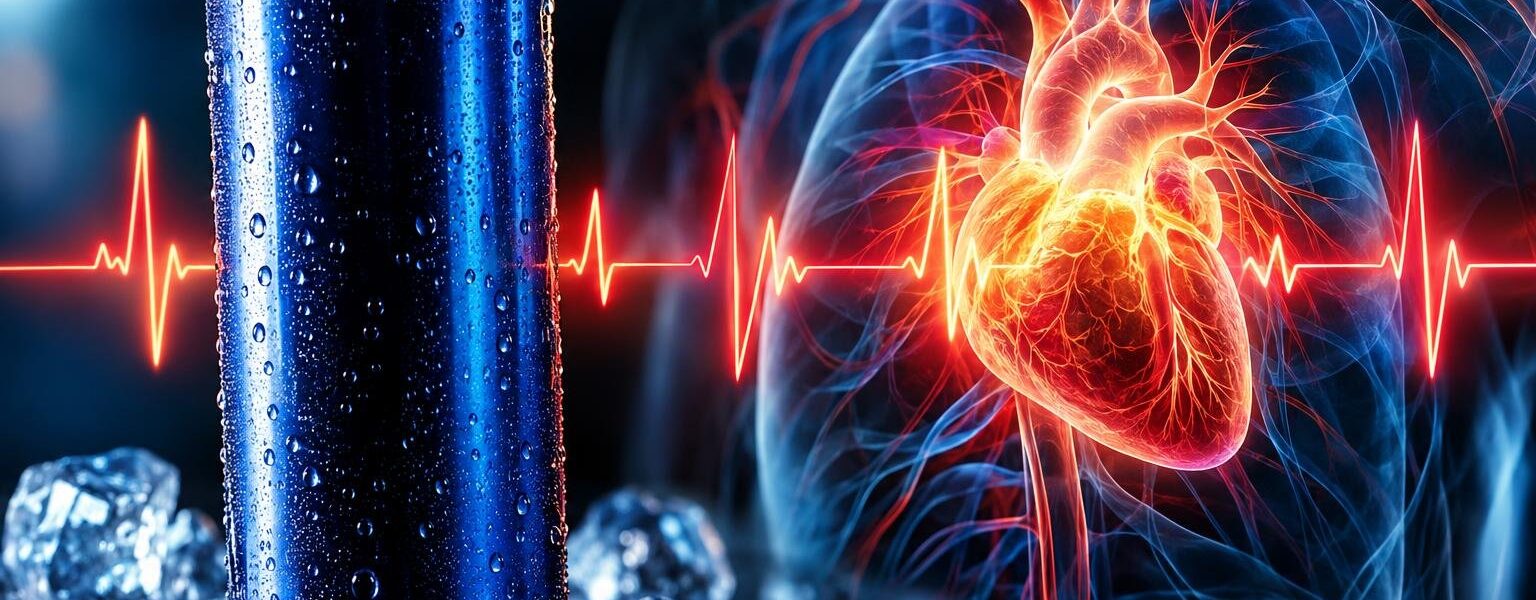
That simple moment is why I want to talk with you today about energy drinks and heart health. New data presented at the American Heart Association’s Scientific Sessions 2026 looked at thousands of safety reports filed with the U.S. Food and Drug Administration. Serious heart events were mentioned far more often when the report involved energy drinks or stimulant supplements than when it involved other foods and drinks.
You can read the news summary in ScienceDaily’s report on energy drinks and cardiac arrest reports. But headlines rarely tell the whole story, so let me walk you through what these numbers really mean, what they do not mean, and how to build steady, God-given energy without borrowing it from your heart.
🔬 What the New Energy Drink Study Found
Researchers at the University of Virginia School of Medicine searched an FDA safety database of voluntary adverse-event reports. An adverse-event report is simply a notice, filed by a consumer, a doctor or a company, saying that someone had a health problem after using a product. The team reviewed 28,345 reports from 2017 to 2025, all involving people ages 13 and older.
Of those, 854 reports involved energy drinks or supplements containing caffeine or other stimulants. The other 27,491 reports involved products without those ingredients, such as soft drinks, smoothies, vitamins, protein bars and meal replacement shakes. The researchers then compared how often certain heart problems showed up in each group. Scientists call this a disproportionality analysis, which is a fancy way of saying “which problems get reported more often for which products.”
Here is what they saw in reports involving caffeine and stimulant products, compared with the other products, according to the American Heart Association’s news release:
- Cardiac arrest (when the heart suddenly stops pumping effectively) was mentioned about 11 times more often.
- Heart attack was mentioned about 4.5 times more often.
- Ventricular arrhythmias or palpitations were mentioned about 4 times more often. An arrhythmia is an abnormal heart rhythm, and “ventricular” means it starts in the heart’s lower pumping chambers. Palpitations are that pounding or fluttering feeling in the chest.
- Rapid heart rate was mentioned nearly 3 times more often, chest pain 2.71 times more often, and fainting about 2 times more often.
About 45 percent of the heart-related reports involving these products concerned adults ages 18 to 34, and the patterns looked similar in men and women. That is why I am writing this article for you and also for the young people you love.
What Counted as a “Stimulant”?
The researchers grouped products by ingredient, not by brand. The stimulant category included caffeine itself, plus methylxanthines (a family of natural stimulant compounds that includes theobromine, guarana, yerba mate, and green tea or coffee extracts) and sympathomimetics (compounds that mimic the body’s “fight or flight” signals, such as synephrine, yohimbine, ephedra, DMAA and higenamine).
Notice that several of those ingredients sound natural and wholesome. That is an important point we will come back to.
The Honest Limitations
I always want you to know how strong the evidence really is, so here it is plainly. This was a preliminary research abstract presented at a medical meeting. It has not yet been published in a peer-reviewed journal, and the AHA says the findings remain preliminary until it is.
Just as important, the “11 times” figure is not an 11 times higher risk. Because the reports are voluntary, the numbers show how often an event was mentioned, not anyone’s actual chance of having it. The study cannot tell us how many people used these products with no problem at all, or how many had a heart event and never reported it.
Dr. Gregory Marcus, who chaired the AHA’s scientific statement on caffeine and was not involved in this study, stressed that the study “does not prove” that caffeine products cause these events. The authors agree. So the right way to think about this is as a safety signal: a yellow flag worth paying attention to, not a final verdict.
Fast Fact
According to the AHA, some energy drinks contain as much as 3 times more caffeine per fluid ounce than brewed coffee, and some pre-workout supplements contain more than 12 times as much. Because these products are regulated as foods or supplements, they do not go through the premarket safety testing that medications require.
❤️ Why Energy Drinks and Heart Health Are a Different Conversation Than Coffee
You may be thinking, “Dr. Colbert, didn’t the American Heart Association just say coffee was fine?” You are right, and that is exactly what makes this story so interesting.
In July 2026, the AHA released a scientific statement in its journal Circulation on caffeine and the heart. According to the AHA’s summary of that statement, up to 400 mg of caffeine a day, or up to five 8-ounce cups of coffee, is generally safe for most adults. Drinking 2 to 4 cups of caffeinated coffee a day was linked to a lower risk of heart disease, heart failure and stroke. I shared some of the brain-related coffee research in my article on coffee and dementia risk.
But that same statement drew a bright line. The AHA’s “Top Things to Know” summary says evidence from normal amounts of coffee should not be stretched to cover caffeinated energy drinks. Case reports involving energy drinks have generally suggested harm, mainly heart rhythm problems, and high-dose caffeine, such as purified caffeine, has been associated with dangerous ventricular arrhythmias.
What Is Happening Inside the Heart?
Your heart is fearfully and wonderfully made. It runs on a finely tuned electrical system that tells each chamber when to squeeze, about 100,000 times a day for most people. Stimulants push on that system, revving the same signals your body uses when you are frightened or running for your life.
A cup of coffee gives a gentle push. A large can, a concentrated “shot,” or a scoop of pre-workout powder that stacks several stimulants together can push much harder, all at once. The study authors list several things that may add to the problem: the dose, the timing (for example, right before intense exercise), and mixing these products with alcohol or drugs.
Because the products were grouped together, this study cannot tell us which single ingredient matters most. But the pattern makes sense to me as a physician. The more stimulants you pile on top of a tired, dehydrated, under-slept body, the more you ask the heart to do with less support.
How Much Caffeine Is Too Much?
The FDA cites 400 mg a day for most healthy adults as an amount not generally associated with negative effects. It describes that as about two to three 12-ounce cups of coffee. The AHA describes it as up to five 8-ounce cups. Those numbers are not contradictory. They are just using different cup sizes.
The FDA also notes that energy drinks range from 41 to 246 mg of caffeine per serving, so one can may hold a little or a lot. And “too much” varies from person to person depending on body weight, medications, medical conditions and sensitivity. The Cleveland Clinic repeats the same general guidance.
Talk With Your Doctor
The general 400 mg figure applies to healthy adults. If you have a heart rhythm problem such as atrial fibrillation or PVCs (extra heartbeats), high blood pressure, heart disease, anxiety or sleep problems, are pregnant, or take stimulant, thyroid or heart medications, ask your physician what amount of caffeine, if any, is right for you. Please do not change any medication on your own.
The “Natural Energy” Label Trap
Here is where I see many well-meaning people get caught. A product says “clean energy” or “plant-powered,” lists guarana, yerba mate or green tea extract, and seems healthier than a soda. Yet in this analysis, those very ingredients were counted in the stimulant category.
Natural does not automatically mean gentle. A concentrated extract can deliver a large stimulant load, and when several are combined with added caffeine, the total can be much more than the front of the label suggests. I would rather you read the ingredient list than trust the marketing.
🌿 Natural Energy After 40: What I Tell My Patients Instead
In my practice, when someone tells me they “can’t function” without an energy drink, I don’t start with the can. I start with the question underneath it: why is this person so tired? A tired afternoon is usually a sleep, water, food, movement or stress problem, not a caffeine shortage. I wrote more about the hidden causes in Why Am I Always Tired?
Protect Your Sleep First
Most energy drink habits are trying to cover a sleep debt. Set a consistent bedtime, dim the lights an hour before bed, and keep caffeine to the morning so it does not steal tonight’s rest.
Drink Water Before Anything Else
Mild dehydration often feels like fatigue and brain fog. When the afternoon slump hits, drink a tall glass of water with a squeeze of lemon and wait ten minutes before reaching for anything else.
Build a Steady-Energy Plate
A lunch of sugary carbs often sets up a crash a few hours later. Choose protein, colorful vegetables and healthy fats like olive oil, avocado and nuts for a gentler, longer-lasting fuel.
Take a Daylight Walk
Ten minutes outside, moving your legs in natural light, wakes up body and mind. It is one of the simplest pick-me-ups I know, and it costs nothing.
Lower the Stress Load
Chronic stress drains energy like a slow leak in a tire. A few minutes of prayer, deep breathing or a gratitude list can reset your afternoon more gently than any can.
Keep Coffee Simple and Early
If you enjoy coffee and your doctor agrees it suits you, a plain brewed cup in the morning is a very different thing from a large stimulant blend. Skip the sugary add-ons.
Sleep deserves special mention. I explained in my article on sleep loss and brain health how much repair happens while we rest. When we cut sleep short and then lean on stimulants to keep going, we are spending tomorrow’s energy today.
A Word About Pre-Workout Supplements and Heart Risk
Many of my patients’ adult children and grandchildren use pre-workout powders at the gym. Some of these contain more than 12 times as much caffeine per fluid ounce as brewed coffee, and some include other stimulants on top of that. The study authors listed timing before intense exercise as one possible contributor.
Exercise is wonderful for the heart. But a hard workout already raises heart rate and adrenaline on its own. Stacking a heavy stimulant dose on top of that is simply asking a lot of one organ at once. A good meal a couple of hours before training, plenty of water and a proper warm-up are a far gentler foundation.
✦ Dr. Colbert’s Faith Perspective
You Were Never Meant to Run on Borrowed Energy
Our bodies are on loan from God. When we use stimulants to force ourselves past the limits He built into us, we are borrowing energy we do not have and asking our hearts to pay it back. That is not good stewardship of the temple He entrusted to us.
Our culture says “sleep is for the weak.” Scripture says the opposite. “It is vain for you to rise up early, To sit up late, To eat the bread of sorrows; For so He gives His beloved sleep” (Psalm 127:2, NKJV). Rest is not laziness. It is a gift from a loving Father.
And when we are truly weary, God offers a deeper kind of renewal: “But those who wait on the LORD Shall renew their strength; They shall mount up with wings like eagles, They shall run and not be weary, They shall walk and not faint” (Isaiah 40:31, NKJV). Living at His pace is the most sustainable energy plan there is.
“Or do you not know that your body is the temple of the Holy Spirit who is in you, whom you have from God, and you are not your own? For you were bought at a price; therefore glorify God in your body and in your spirit, which are God’s.” (1 Corinthians 6:19-20, NKJV)
“Fatigue is a messenger, not an enemy. When we silence it with a can instead of listening to it, we miss what our body, and often what God, is trying to tell us.”
Dr. Don Colbert, MD
If you are ready to rebuild your energy from the ground up, I wrote a book for exactly that purpose.
From Dr. Colbert’s Bookshelf
The Seven Pillars of Health
Real energy is not found in a can. It is built on foundations: water, sleep, living food, movement, detoxification, wise supplementation and coping with stress. In The Seven Pillars of Health, I walk you through each pillar with simple, practical steps you can start this week, so you can stop borrowing energy and start building it. It also makes a thoughtful gift for a busy young adult in your life.
📋 Your Action Plan for Energy Drinks and Heart Health
- Read the label tonight. Look at caffeine per serving and per container, and scan the ingredient list for guarana, yerba mate, green tea or coffee extract, synephrine, yohimbine, DMAA or higenamine.
- Know your personal limit. The 400 mg general figure is for most healthy adults. If you have a heart, blood pressure or sleep concern, or take medications, ask your doctor what is right for you.
- Try water and a walk first. When the afternoon slump hits, drink a tall glass of water and step outside for 10 minutes before reaching for any stimulant.
- Guard your sleep. Keep caffeine to the morning, set a consistent bedtime and protect seven to eight hours whenever you can.
- Eat for steady energy. Build lunch around protein, vegetables and healthy fats instead of sugary carbs that set up a crash.
- Don’t stack stimulants. Avoid combining energy drinks with alcohol, with other stimulant products, or with intense workouts.
- Have a loving conversation. Share this article with the teens and young adults in your life. Ask questions, listen, and offer encouragement rather than lectures.
- Know the warning signs. Chest pain, fainting, a racing or pounding heartbeat, or shortness of breath call for prompt medical care. Do not wait.
- See your doctor about ongoing fatigue. If you feel tired most days, a checkup can look for underlying causes that no energy drink can fix.
❓ Frequently Asked Questions
Do energy drinks cause heart attacks or cardiac arrest?
This study cannot answer that. It found that cardiac arrest and heart attack were mentioned more often in voluntary FDA reports involving stimulant products, which is a safety signal, not proof of cause and effect. The findings are preliminary and have not yet been peer reviewed, but they are a good reason to be cautious.
How much caffeine is too much in a day?
For most healthy adults, both the FDA and the AHA point to about 400 mg a day as generally safe. The FDA describes that as about two to three 12-ounce cups of coffee, and the AHA as up to five 8-ounce cups. Your own limit may be lower depending on your health, sensitivity and medications, so talk with your doctor.
Is coffee safer than energy drinks for my heart?
The AHA’s 2026 statement found that moderate coffee drinking, 2 to 4 cups a day, was linked to lower risk of heart disease, heart failure and stroke. It also said those results should not be applied to energy drinks, which can contain far more caffeine per ounce plus other stimulants. Plain brewed coffee and a concentrated stimulant blend are simply not the same thing.
Are “natural” energy drinks with guarana or green tea extract a safer choice?
Not necessarily. In this analysis, guarana, yerba mate and green tea or coffee extracts were all counted in the stimulant category. A natural-sounding label can still deliver a strong stimulant dose, so read the full ingredient list.
Are pre-workout supplements bad for your heart?
Some pre-workout products contain more than 12 times as much caffeine per fluid ounce as brewed coffee, and some add other stimulants. The study authors noted that using stimulants right before intense exercise may be one contributor to problems. Anyone using these products, especially with a heart condition or on medication, should talk with a physician.
🌅 A Final Word
I am not here to frighten you or to scold anyone holding a can. The research is early, and it does not prove harm. But it does remind us of something wise people have always known: there is no shortcut around the way God designed us. Our hearts were built for steady rhythms of work and rest, not for being pushed harder and harder.
So drink your water, guard your sleep, eat real food, move in the daylight and bring your weariness to the Lord. And if there is a young person you love who lives on energy drinks, share what you have learned with gentleness. You are fearfully and wonderfully made (Psalm 139:14), and so are they. That kind of body is worth caring for.
Blessings to you and your heart,
Dr. Don Colbert, MD
Sources
- Energy drinks linked to 11 times more reports of cardiac arrest, ScienceDaily, 2026
- Energy drinks, stimulant products linked to cardiac arrest, heart attack in young adults (Samayamanthula S, et al., Scientific Sessions 2026, Abstract MDP0323), American Heart Association Newsroom, 2026
- Coffee and heart health: How many cups of caffeinated coffee are safe to drink each day?, American Heart Association Newsroom, 2026
- Top Things to Know: Caffeine and Cardiovascular Disease (Marcus GM, et al., Circulation), American Heart Association Professional Heart Daily, 2026
- Spilling the Beans: How Much Caffeine Is Too Much?, U.S. Food and Drug Administration
- Caffeine Overdose: Symptoms, Treatment and Side Effects, Cleveland Clinic
- Coffee may protect your heart but energy drinks could harm it, ScienceDaily, 2026
Was this helpful?
Get Dr. Colbert's weekly health tips
Simple, faith-filled health tips in your inbox once a week. Plus a free gift: the 21-Day Keto Zone Challenge.
Unsubscribe anytime. We never share your email.
What stood out to you most, and have you tried any of this yourself?
Tell us on Facebook