
Carb cravings. They’re one of the biggest barriers to good health, steady energy, and a healthy weight — and they don’t care how much willpower you have. The good news? They aren’t a character flaw. They’re a biological signal that something in your body is out of balance. And once you understand why they happen, you can finally start to win the battle against them.
Below, Dr. Don Colbert, MD — board-certified family practice and anti-aging physician and New York Times bestselling author of Dr. Colbert’s Keto Zone Diet and Beyond Keto — breaks down exactly why your body keeps screaming for bread, pasta, sugar, and snacks… and the practical, doctor-approved steps to shut those cravings down for good.
What Are Carb Cravings, Really?
A craving isn’t the same thing as hunger. Hunger builds slowly and is satisfied by almost any food. A craving is loud, urgent, and demands a specific food — usually something sweet, starchy, or both: bread, pasta, chips, candy, baked goods, sugary drinks, or that late-night bowl of cereal you swore you wouldn’t touch.
If that sounds familiar, you’re not alone. Surveys consistently show that more than 90% of adults experience food cravings, and refined carbs and sugar top the list every single time. Why? Because of how those foods interact with your brain, your blood sugar, and your hormones.
“Most people think they have a willpower problem. They don’t. They have a blood sugar problem and a gut problem — and once you fix those, the cravings lose their grip.”
— Dr. Don Colbert, MD
Why Carb Cravings Happen: The Real Reason
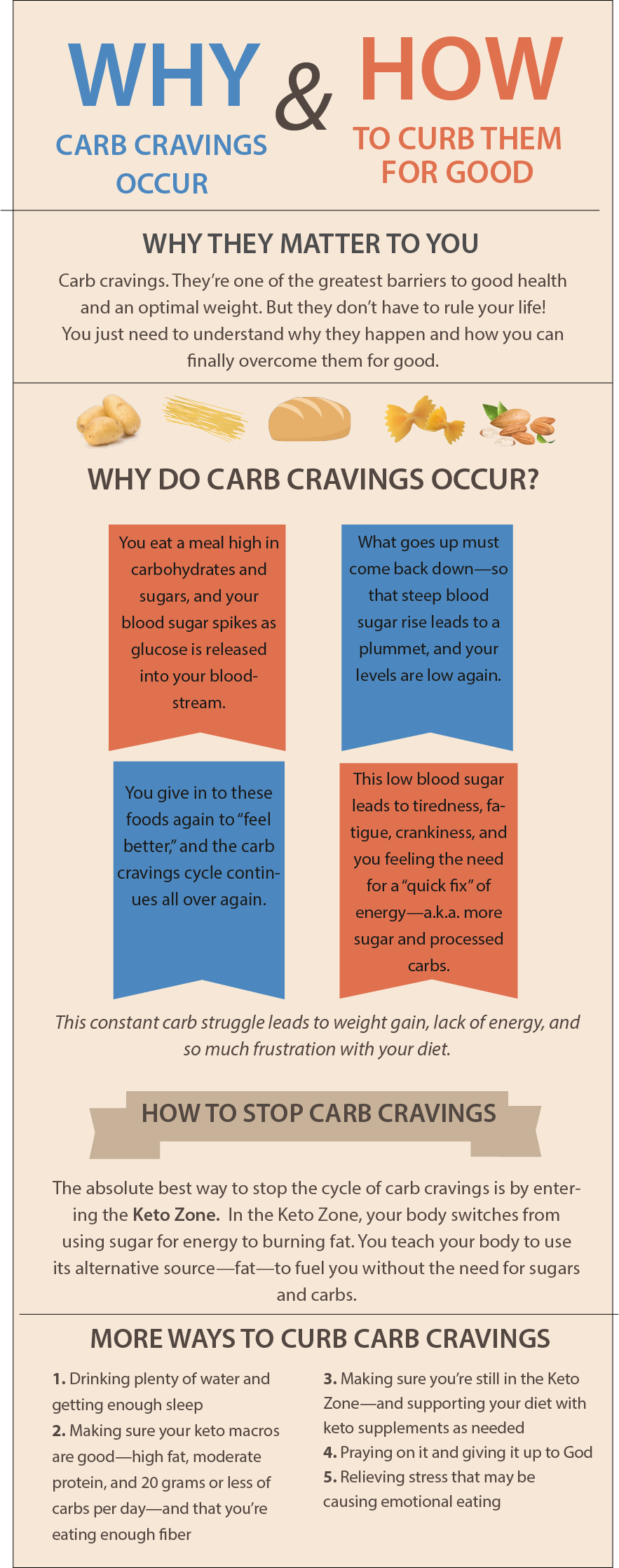
Cravings aren’t random. They’re the predictable result of a cycle most Americans live in every single day. Here’s how it works:
- You eat a meal high in refined carbs or sugar — a bagel, a sweet coffee drink, pasta, white rice, or a “healthy” granola bar — and your blood sugar spikes as glucose floods your bloodstream.
- Your pancreas releases a surge of insulin to clear the sugar out of your blood. That insulin is so effective that it overshoots — and your blood sugar crashes.
- Low blood sugar triggers a stress response: fatigue, brain fog, irritability, the “2:30 slump,” shakiness, and an intense urge for a quick fix of sugar or carbs.
- You give in — because your body is literally asking for it — and the cycle starts all over again.
This blood-sugar roller coaster doesn’t just make you miserable. Over time, it leads to weight gain, stubborn belly fat, low energy, mood swings, and insulin resistance — the gateway to metabolic syndrome, type 2 diabetes, heart disease, and even Alzheimer’s (which researchers now sometimes call “type 3 diabetes”).
- The average American consumes around 17 teaspoons of added sugar a day — roughly 57 pounds per year. The American Heart Association recommends no more than 6 teaspoons for women and 9 for men.
- Sugar activates the same brain reward pathways as addictive substances, releasing dopamine in patterns research has compared to cocaine in some animal studies.
- Roughly 1 in 3 American adults already meets the criteria for metabolic syndrome — and most don’t know it.
The Hidden Causes of Carb Cravings Most People Miss
Blood sugar swings are the #1 driver, but they aren’t the only one. If your cravings are still relentless even when you’re “eating well,” one of these may be the culprit:
1. Poor Sleep
Just one night of short sleep raises ghrelin (the hunger hormone) and lowers leptin (the satiety hormone). Translation: you feel hungrier, less satisfied, and you crave high-carb, high-calorie comfort foods. Studies show sleep-deprived adults consume an average of 300+ extra calories the next day — mostly from carbs.
2. Chronic Stress
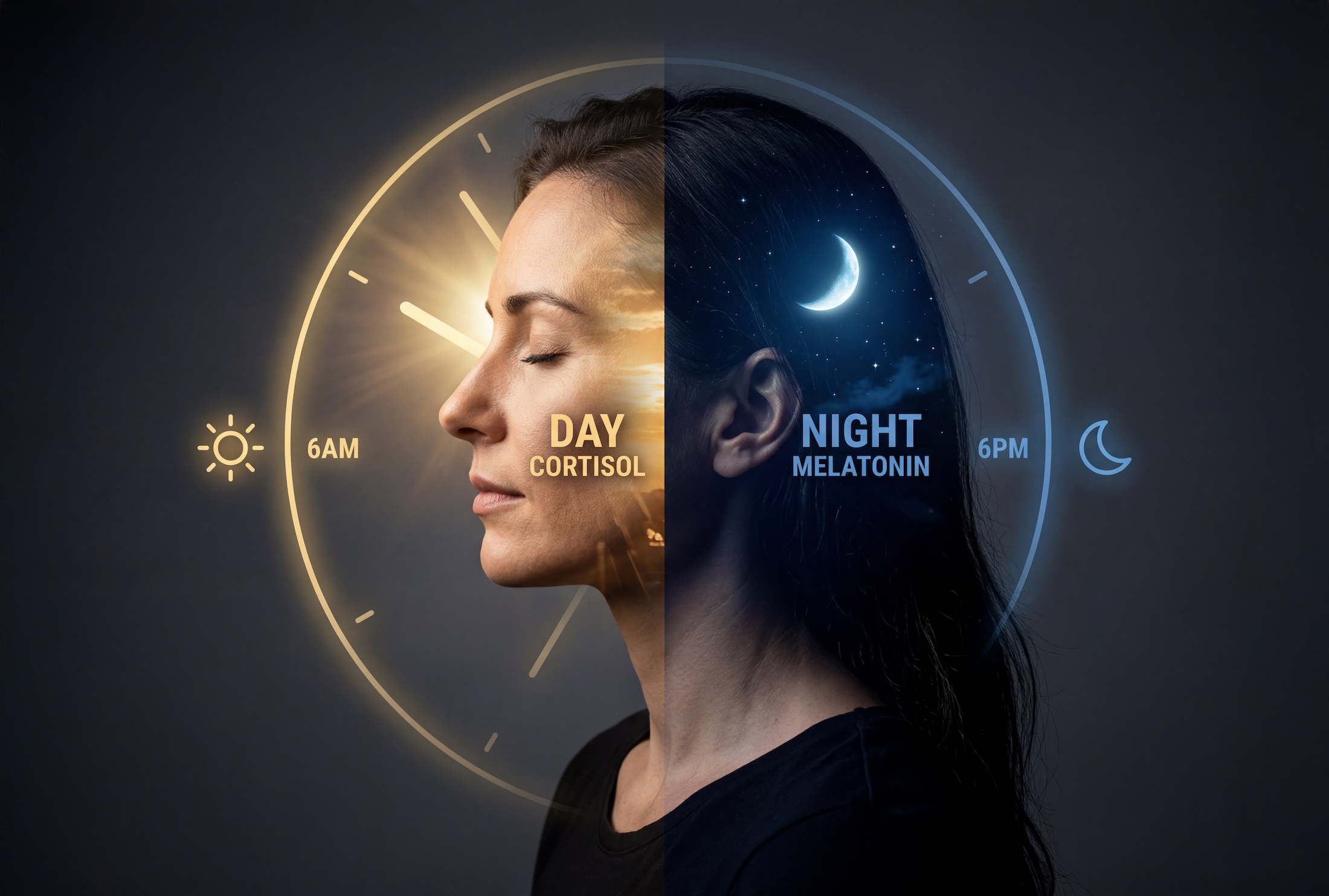
Stress raises cortisol, and elevated cortisol drives both blood sugar and cravings for sweet, salty, and starchy foods. This is why you reach for chips or cookies after a hard day — it’s biology, not weakness.
3. Gut Imbalance
The bacteria in your gut influence what you crave. An overgrowth of yeast (like Candida) or sugar-loving bacteria literally signals your brain to feed them through the gut-brain axis. The more sugar you eat, the louder they get.
4. Nutrient Deficiencies
Low magnesium is strongly linked to chocolate and sugar cravings. Low chromium impairs insulin function. B-vitamin and protein deficiencies can also masquerade as cravings.
5. Dehydration
Mild dehydration is frequently mistaken for hunger or carb cravings. Before you grab a snack, drink 8–16 oz of water and wait 10 minutes.
6. Hidden Sugars in “Healthy” Foods
Flavored yogurts, granola, protein bars, salad dressings, marinara sauce, plant-based milks, and almost every condiment can be loaded with added sugar. Read labels — anything ending in “-ose” is a sugar.
How to Stop Carb Cravings — for Good
The single most effective long-term solution Dr. Colbert recommends is teaching your body to burn fat for fuel instead of sugar. That’s the heart of the Keto Zone approach.
When you’re in the Keto Zone, your body shifts from glucose-dependence to fat-burning mode (ketosis). Instead of riding the blood sugar roller coaster, you tap into a steady, abundant energy source — your own stored fat — and the cravings simply… quiet down. Most people are shocked at how dramatically appetite drops once they’re fat-adapted, usually within 2–4 weeks.
The Keto Zone in 4 Numbers
- 20 grams or less of net carbs per day
- ~70% of calories from healthy fats (avocado, olive oil, MCT oil, grass-fed butter, nuts, seeds, fatty fish)
- ~15% from quality protein (clean meat, eggs, wild-caught fish)
- ~15% from low-glycemic vegetables
🥦 Ready to Break the Cycle in 21 Days?
Dr. Colbert’s 21 Day Keto Zone Challenge is a free, doctor-guided program that walks you step-by-step through getting into the Keto Zone — with meal plans, recipes, support, and daily encouragement. It’s the fastest way to silence carb cravings and reset your metabolism.
Going Beyond Keto: The Long-Term Solution
Strict keto is excellent for breaking the cycle, but Dr. Colbert teaches that true freedom from cravings comes from a sustainable, anti-inflammatory lifestyle — which is exactly what he lays out in his bestselling book Beyond Keto: Burn Fat, Heal Your Gut, and Reverse Disease With a Mediterranean-Keto Lifestyle.
Beyond Keto blends the fat-burning power of the ketogenic diet with the gut-healing, longevity-boosting benefits of the Mediterranean diet — and removes the inflammatory foods that secretly drive cravings, weight gain, and chronic disease in the first place. If you’ve ever felt bloated, sluggish, or stuck on a plateau even while “eating clean,” this is the framework Dr. Colbert built specifically for you.
Two Supplements That Can Make Your Life Easier
Diet is the foundation, but the right supplements can give your body extra support — especially in the early weeks when cravings hit hardest. Dr. Colbert formulated two of his most popular supplements specifically with carb-cravers in mind.
🟢 Divine Health Carb Assist
Carb Assist is a physician-formulated capsule designed to support healthy glucose metabolism and a balanced response to carbohydrates. It combines clinically studied ingredients including:
- Berberine HCl (500 mg) — one of the most well-researched botanicals for supporting healthy insulin sensitivity and glucose metabolism
- Chromium polynicotinate (800 mcg) — supports healthy insulin function and may help reduce sugar cravings
- Alpha lipoic acid (600 mg) — a powerful antioxidant that supports healthy glucose utilization
- Ceylon cinnamon, biotin, and vanadyl sulfate — round out a comprehensive glucose-support formula
How to use it: Take 1 capsule twice daily, ideally with a meal that contains carbs. It’s especially helpful before a higher-carb meal, holiday dinner, or anytime you know you’re going to indulge a little.
🟢 Divine Health Fiber Zone
Fiber Zone is a refreshing berry- or lemon-lime-flavored fiber powder that combines psyllium husk (soluble + insoluble fiber) and inulin (a prebiotic that feeds your good gut bacteria). Each scoop delivers 6 grams of total dietary fiber — the kind of fiber most Americans are dramatically short on.
Fiber is one of the most underrated tools for stopping carb cravings because it:
- Slows the absorption of carbs and blunts blood sugar spikes
- Promotes a natural feeling of fullness so you eat less without willpower
- Feeds the beneficial bacteria in your gut, crowding out the sugar-loving microbes that drive cravings
- Supports regularity and overall digestive health
“Fiber covers a multitude of dietary sins. If you’re craving something sweet or you know you’re about to indulge, take Fiber Zone 30 minutes beforehand — it changes the whole equation.”
— Dr. Don Colbert, MD
Fiber Zone is keto-friendly, vegan, gluten-free, and sugar-free (sweetened naturally with stevia).
7 Practical Tips to Stop Carb Cravings Today
Even before you commit to a full keto reset, these doctor-approved habits can dramatically reduce cravings starting this week:
- Eat a high-protein, high-fat breakfast within an hour of waking. Eggs, avocado, smoked salmon, or a protein shake with MCT oil. This single change stabilizes blood sugar for the entire day.
- Add fiber to every meal. A serving of Fiber Zone 30 minutes before meals, or a big serving of non-starchy vegetables, blunts blood sugar spikes and curbs appetite.
- Drink half your body weight in ounces of water daily. A 160-pound person needs about 80 oz. Most cravings get quieter the moment you’re properly hydrated.
- Sleep 7–9 hours a night. This is non-negotiable for hormonal balance. Skimp on sleep, and ghrelin and cortisol will sabotage every other healthy habit.
- Move your body every day. A 20-minute walk after meals can lower post-meal blood sugar by 20–30%, dramatically reducing the crash that drives cravings.
- Manage stress intentionally. Prayer, deep breathing, journaling, time outdoors, and Sabbath rest aren’t luxuries — they’re metabolic medicine.
- Don’t keep trigger foods in the house. Willpower is a finite resource. Environment beats willpower every time.
The Faith Factor: Don’t Forget the Spiritual Side
Dr. Colbert has always taught that true health is body, mind, and spirit. Many carb cravings aren’t physical at all — they’re emotional or spiritual. We reach for sugar to soothe stress, anxiety, loneliness, boredom, or grief.
If that’s you, the answer isn’t more discipline. It’s asking the deeper question: What am I really hungry for? Often, it’s peace, comfort, connection, or rest — things food can never actually deliver. Prayer, scripture, gratitude, and giving the struggle to God can do what no diet plan ever could.
“Your body is the temple of the Holy Spirit. How you feed it is an act of worship — and the Lord wants you free from the things that have you in bondage, including food.”
— Dr. Don Colbert, MD
What If You Have Carb Cravings On Keto?
If you’ve just started the Keto Zone Diet and the cravings are worse at first — congratulations, that’s actually a good sign. Your body is detoxing from sugar dependence and rebelling because it’s not getting its fix. This phase is sometimes called the “keto flu” and typically lasts 3–7 days. Push through, and you’ll come out the other side with a kind of food freedom most people have never experienced.
To get through it faster:
- Increase your healthy fats (more avocado, olive oil, MCT oil)
- Increase your salt and electrolytes (a pinch of pink salt in water helps a lot)
- Take Carb Assist with meals
- Take Fiber Zone before meals
- Stay hydrated and get extra sleep
The Bottom Line
Carb cravings are not a personal failing. They’re a physiological signal — and once you understand the signal, you can change the conversation. Stabilize your blood sugar. Heal your gut. Sleep, hydrate, and move. Use the right tools when you need them. And don’t forget the spiritual piece.
You weren’t designed to be controlled by food. You were designed to thrive.
Ready to Take Control?
Start your transformation today with Dr. Colbert’s free 21 Day Keto Zone Challenge — a doctor-guided plan to break carb cravings, burn fat, and reset your health.
Register for the Free 21 Day Challenge →
Want extra support? Try Carb Assist and Fiber Zone from Divine Health, or grab a copy of Beyond Keto to go deeper.
Disclaimer: This article is for educational purposes only and is not intended to diagnose, treat, cure, or prevent any disease. Statements regarding dietary supplements have not been evaluated by the FDA. Always consult your healthcare provider before starting any new diet, supplement, or exercise program.