
What Happens When You Fast? The Surprising Truth About Day 3
Imagine waking up on the third morning of a fast. Your stomach has quieted down, your body has changed fuel, and deep inside your bloodstream, thousands of tiny messengers are rearranging themselves. Most of us have wondered about this at some point: what happens when you fast, really, and when does it happen?
In my practice, patients ask me about fasting almost every week. Some already skip breakfast, some have done a Daniel fast at church, and some have seen a video promising miracles from a long water fast. They want to know what is true.
A fascinating piece of research gives us a rare look inside. ScienceDaily recently re-shared the story under the headline “Scientists reveal what seven days of fasting does to the human body.” I want to be clear up front: this is not a brand-new study. It was published in Nature Metabolism in 2024, and ScienceDaily has posted it more than once. But it remains one of the most detailed pictures we have of the human body during a fast, and its biggest surprise is worth understanding: the deepest whole-body changes did not show up until around day 3.
🔬 What Happens When You Fast for Seven Days: What the Study Found
The research team came from Queen Mary University of London, the Berlin Institute of Health and the Norwegian School of Sport Sciences, where the study was run. They recruited 12 generally healthy, non-smoking volunteers (5 women and 7 men), mostly of white European ancestry, with an average starting body mass index of about 25.4.
Each volunteer completed a 7-day water-only fast, meaning no food and no calories at all. Blood was drawn before the fast, every day during it, and after eating resumed. The scientists then measured about 3,000 proteins in each sample.
Why proteins? Proteins are the workers and messengers of your body. They carry signals between organs, build tissue, manage clotting, fight infection and much more. The full collection of proteins in your blood is called the proteome, and watching it change is like reading a daily status report from every organ at once.
The Key Results
- Weight dropped quickly. Participants lost an average of 5.7 kg (about 12.5 pounds) over the week. That loss came from both fat and lean mass, which includes muscle.
- One in three proteins changed. About 35.9 percent of the proteins measured (1,044 of them) changed significantly, with effects linked to all major organs.
- The big shift came late. Only 6 proteins had changed at 24 hours and 54 at 48 hours. The whole-body protein shift showed up only after about 3 days, which the authors describe as later than previously thought.
- Changes went beyond weight loss. Many protein shifts could not be explained by weight loss alone. One example was tenascin-R, a protein that supports the structure around brain neurons.
- Most changes faded after eating. Once volunteers resumed eating, most proteins drifted back toward their starting levels.
Three days after eating resumed, overall weight was still below where it started. According to ScienceDaily, most of the lost lean mass came back while the fat loss remained.
Lead author Claudia Langenberg said that fasting, when done safely, is an effective weight-loss approach, and that the changes beyond weight loss were visible only after 3 days of total caloric restriction.
The Honest Limitations
I always tell my patients to read research the way a wise friend gives advice: with gratitude and with discernment. This was a small human study with only 12 participants, all healthy and young, with little diversity and no control group for comparison.
The researchers measured blood proteins only, not brain tissue or other organs directly, and they did not follow anyone long term. The study did not test shorter fasts, time-restricted eating, or fasting in people over 40 or those with health conditions. The authors themselves say their results should not be read as fasting being a sole solution to any disease. One study is never the final word.
Did You Know?
The researchers noted that days 2 to 3 are usually the most challenging for fasting volunteers. That is exactly when the body is finishing its fuel switch, and it is one reason long fasts are best left to closely supervised settings.
⚙️ Why Day 3 Matters: Fasting and Ketones Explained
To understand what happens when you fast, think of your body as a home with two furnaces. The first runs on glucose, the sugar that comes mostly from carbohydrates. The second runs on fat and on ketones, which are small, efficient fuel molecules your liver makes from fat when glucose runs low.
In this study, the switch from glucose burning to fat and ketone burning happened within the first 2 to 3 days. Blood levels of the main ketone, called 3-hydroxybutyrate (also known as beta-hydroxybutyrate), kept rising for the entire week.
Here is the interesting part. The fuel switch happened early, but the broad protein reshuffling across many organs came after it. It is as if the body first changes its fuel source, and only then begins to adjust the deeper machinery throughout the house.
I have written before about how this metabolic shift into fat burning works in everyday life in my article on the Keto Zone shift for fat burning, energy and mental clarity. A well-designed low-carb, healthy-fat way of eating can encourage ketone production without going days without food.
What About the “Health Benefit” Headlines?
To guess what these protein changes might mean, the researchers combined their findings with large sets of human genetic data. In plain terms, they asked: when people are born with naturally higher or lower levels of a certain protein, what health patterns tend to follow?
This modeling suggested some possibly helpful changes, such as shifts in proteins genetically linked to rheumatoid arthritis and heart disease. It also suggested some possibly harmful ones, including a rise in coagulation factor XI, a clotting protein that is genetically linked to clotting risk.
The authors call this work exploratory, and they describe the tenascin-R finding as speculative rather than proof of any brain benefit. That is the kind of honesty I appreciate in good science, and it is why I will not tell you a long fast protects your brain or your heart. The study simply does not show that.
Recent Research
Because most proteins returned toward baseline once eating resumed, the authors suggest that any lasting benefit might require sustained changes to the relevant targets. In other words, a single dramatic fast is not a permanent reset.
⚖️ Intermittent Fasting vs Prolonged Fasting: What This Study Does Not Show
This is where I want to protect you from a common misunderstanding. Many people practice intermittent fasting, such as eating within an 8-hour window or skipping one meal. That is a very different thing from going seven days with no food at all.
This study did not test short fasts. In fact, the authors write that short-term intermittent fasting of 48 hours or less has not been shown to beat matched calorie restriction for markers of heart and metabolic risk. ScienceDaily also notes that shorter intermittent fasting schedules do not necessarily produce the same effects seen after day 3.
So please do not hear “day 3” and assume your 16-hour overnight fast is producing the same protein changes. It probably is not, and that is perfectly fine. The benefits of fasting in everyday life come through a different, gentler path.
A separate 2026 report gives us helpful perspective. In a University of Granada trial covered by ScienceDaily, 99 adults with overweight or obesity followed an 8-hour eating window (16:8) for 12 weeks along with Mediterranean diet education. One year later, the approach had helped them keep weight off. Both an early window (9 am to 5 pm) and a late window (1 pm to 9 pm) worked, and the early window kept more fat-mass loss. About one in three participants kept fasting on their own.
That is a sustainable, real-life approach, and notice that it was paired with good food. Fasting is never a substitute for eating well when you do eat.
⚠️ Is Fasting Safe Over 50? The Costs Nobody Puts in the Headline
Prolonged fasting has real physical costs, and as we get older, these costs matter more. Here are three I discuss with every patient who asks about long fasts.
1. Muscle and Fitness
In the Nature Metabolism study, volunteers lost lean mass as well as fat. A separate 7-day fasting study of 13 people found they lost 4.6 kg of lean mass and 1.4 kg of fat mass. Maximal strength held steady, but peak oxygen uptake (a key measure of aerobic fitness) fell 13 percent, and endurance capacity decreased.
After 50, muscle is precious. It supports balance, metabolism and independence. If you fast in any form, pair it with adequate protein and regular strength training. I explain more about protecting muscle with age in my article on creatine, older adults and muscle research.
2. Refeeding Syndrome
Breaking a long fast can be more dangerous than the fast itself. Refeeding syndrome is a rare but potentially fatal complication that can occur when eating resumes after prolonged fasting. During a long fast, the minerals phosphate, potassium and magnesium can become severely depleted, and the shift back to food can disturb them further.
Risk is especially high with severe underweight, prolonged fasting and low electrolytes. One NHS hospital guideline lists anyone with very little or no food intake for more than 5 days as at risk, with higher risk for those with low body weight, low mineral levels, or who take certain drugs such as insulin and diuretics.
3. Clotting and Other Medical Concerns
Remember the rise in factor XI, the clotting protein genetically linked to clotting risk? That finding is exploratory, but it is one more reason anyone on blood thinners should be especially careful and speak with their doctor before any fasting.
Please talk with your physician before fasting if any of these apply to you:
- You have diabetes or take insulin or other blood-sugar medicines.
- You take blood-pressure medicine, diuretics or blood thinners.
- You have heart, kidney or liver disease.
- You have a history of an eating disorder.
- You are pregnant or breastfeeding.
- You are underweight or frail, or you are 65 or older.
Never stop or change a medication on your own to fast. And any fast lasting several days should only be done under a physician’s supervision. That is not fear talking. That is wisdom.
🌿 Wise, Natural Ways to Enjoy the Benefits of Fasting
So where does this leave the everyday believer who wants to honor God with their body? Here are the gentle, food-first habits I encourage, which you can discuss with your doctor and build into your week.
Start With the Overnight Fast
Finish dinner a little earlier and avoid late-night snacking. A longer overnight break is the simplest place to begin, and the Granada trial suggests an earlier eating window may offer extra help with fat loss.
Eat Mediterranean When You Eat
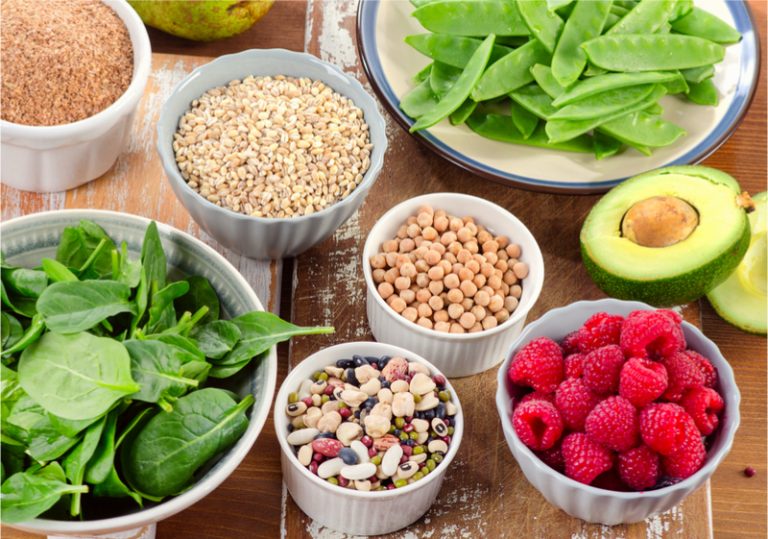
Fill your eating window with vegetables, olive oil, olives, nuts, fish, eggs and berries. Fasting works best on a foundation of real, whole food.
Guard Your Muscle
Include quality protein at each meal and lift weights, use bands or do bodyweight exercises a few times a week. Fasting should never cost you your strength.
Hydrate and Eat Mineral-Rich Foods
Drink water throughout the day and enjoy leafy greens, avocados, nuts and seeds, which naturally supply potassium and magnesium.
Encourage Ketones With Food
A lower-carb, healthy-fat eating pattern can gently support fat burning without days of going hungry. The free 21-Day Keto Zone Challenge walks you through it.
Fast With Prayer, Not Just Willpower
Use the time you would spend eating to pray, read Scripture or sit quietly with God. A partial fast, such as the Daniel fast, honors this tradition without extreme hunger.
If you would like a gentle, structured place to begin, my free 7-Day Quick-Start Detox is built around whole foods and simple daily habits rather than going without food.
✦ Dr. Colbert’s Faith Perspective
A Body Designed to Adapt, a Heart Designed to Seek Him
The researchers themselves note in their introduction that fasting is practiced by billions of people around the world, including for religious reasons, and that the human body is built to adapt to periods without food. When I read that, I could not help but marvel. The Psalmist was right: “I will praise You, for I am fearfully and wonderfully made; Marvelous are Your works, And that my soul knows very well” (Psalm 139:14, NKJV).
Jesus did not say “if you fast” but “when you fast.” He assumed His followers would fast, and He taught us to do it humbly and quietly, for God and not for show. Isaiah 58:6 reminds us that the heart of a true fast is loosing burdens and setting people free. Through the prophet Joel (Joel 2:12), the Lord invites us to return to Him with all our heart, with fasting.
Fasting is first a spiritual discipline, not a health hack. Stewarding the body God gave us, the temple of His Spirit (1 Corinthians 6:19-20), includes knowing when a fast is wise and when it is not. A humble, prayerful skipped meal can draw you closer to God just as surely as a heroic week of hunger, and with far less risk.
“But you, when you fast, anoint your head and wash your face, so that you do not appear to men to be fasting, but to your Father who is in the secret place; and your Father who sees in secret will reward you openly.” (Matthew 6:17-18, NKJV)
“Your body knows how to fast because God designed it that way. Our job is not to push it to the edge, but to walk with it wisely, one prayerful, well-nourished day at a time.”
Dr. Don Colbert, MD
Many readers ask me for a guided, step-by-step way to bring fasting into their lives safely. That is exactly why I wrote Dr. Colbert’s Fasting Zone. It is a practical companion for anyone who wants to fast thoughtfully, with faith and with their doctor’s input.
From Dr. Colbert’s Bookshelf
Dr. Colbert’s Fasting Zone
If this study has stirred your curiosity, Fasting Zone is your next step. In it, I explain fasting, detox, autophagy (your cells’ natural cleanup process) and how to approach a metabolic reset in a thoughtful, structured way. It is written for real people with real lives, and it pairs the science of fasting with the wisdom and faith that make it sustainable.
📝 Your Wise Fasting Action Plan
- Talk with your doctor first. This matters most if you take any medication, have a diagnosed condition, or are 65 or older.
- Begin with a longer overnight break. Close the kitchen after an earlier dinner and let your body rest from digestion overnight.
- Consider a daytime eating window. If your doctor agrees, an 8-hour window like the one in the Granada trial is a realistic, sustainable option for many adults.
- Make every meal count. Build your plate around vegetables, olive oil, nuts, fish, eggs and other whole foods in the Mediterranean tradition.
- Protect your muscle. Eat quality protein at each meal and do strength exercises a few times a week.
- Stay hydrated and mineral-rich. Drink water throughout the day and eat leafy greens, avocados, nuts and seeds.
- Do not attempt a multi-day water fast on your own. Long fasts carry risks such as muscle loss and refeeding syndrome and belong under physician supervision.
- Listen to your body. If you feel dizzy, faint, unusually weak or have a racing heart, eat something and contact your doctor.
- Invite God into it. Turn hunger into a reminder to pray, give thanks and seek His peace.
❓ Frequently Asked Questions
What happens when you fast for 24 hours?
In this study, very little changed in the blood proteome at 24 hours, with only 6 of about 3,000 proteins shifting significantly. Your body begins moving away from glucose toward fat for fuel, but the larger whole-body protein changes did not appear until around day 3. Remember, these were young, healthy volunteers, so results may differ for others.
How long does it take to start burning fat and ketones?
During this 7-day water-only fast, the switch from glucose to fat and ketone burning happened within the first 2 to 3 days. Ketone levels then kept climbing throughout the week. Many people encourage ketone production more gently through a lower-carb, healthy-fat eating pattern.
Does intermittent fasting give the same benefits as a 7-day fast?
Not according to this research. The study did not test short fasts, and its authors note that fasts of 48 hours or less have not been shown to beat matched calorie restriction for heart and metabolic risk markers. Intermittent fasting can still be a helpful, sustainable habit, as the Granada trial on keeping weight off suggests.
Is fasting safe over 50?
Gentle approaches like a longer overnight fast are reasonable for many healthy adults, but talk with your doctor first. Prolonged fasting carries real risks, including loss of lean mass, reduced fitness and refeeding syndrome. Anyone with a medical condition, on medication, or 65 and older should only fast with physician guidance.
Do you lose muscle when you fast?
Yes, prolonged fasting can cost lean mass. Volunteers in this study lost both fat and lean mass, although ScienceDaily reports that most of the lean mass returned after eating resumed. Pairing any fasting with good protein and strength training is the wisest way to protect your muscle.
🙏 A Final Word
What happens when you fast is truly remarkable. Within days, your body changes fuel, and by day 3, a third of the proteins scientists measured begin to shift across nearly every organ. That is a testimony to how wonderfully God has made us.
But marvel is not the same as a prescription. This was a small study of 12 healthy volunteers, the health predictions are exploratory, and most changes faded once eating resumed. For most of us, especially after 50, the wisest path is steady and gentle: a longer overnight fast, real food, strong muscles, plenty of water, and a heart turned toward God.
My prayer for you is the same one the apostle John prayed: “Beloved, I pray that you may prosper in all things and be in health, just as your soul prospers” (3 John 1:2, NKJV). Fast with wisdom, eat with gratitude, and let every step draw you closer to the One who made you.
Dr. Don Colbert, MD
Sources
- Scientists reveal what seven days of fasting does to the human body, ScienceDaily, 2026 (re-post of 2024 research)
- Pietzner M, et al. Systemic proteome adaptions to 7-day complete caloric restriction in humans, Nature Metabolism / PubMed Central, 2024
- Study identifies multi-organ response to seven days without food, Queen Mary University of London via EurekAlert, 2024
- Effects of seven days’ fasting on physical performance and metabolic adaptation during exercise in humans, PubMed Central (NIH)
- The Refeeding Syndrome: a neglected but potentially serious condition for inpatients. A narrative review, PubMed Central (NIH)
- Refeeding Syndrome guideline, University Hospitals Bristol and Weston NHS Foundation Trust
- Intermittent fasting helped people keep weight off for a year, ScienceDaily / University of Granada, 2026
Was this helpful?
Get Dr. Colbert's weekly health tips
Simple, faith-filled health tips in your inbox once a week. Plus a free gift: the 21-Day Keto Zone Challenge.
Unsubscribe anytime. We never share your email.
What stood out to you most, and have you tried any of this yourself?
Tell us on Facebook