
Sauna Health Benefits: One Session Sends Immune Cells Surging

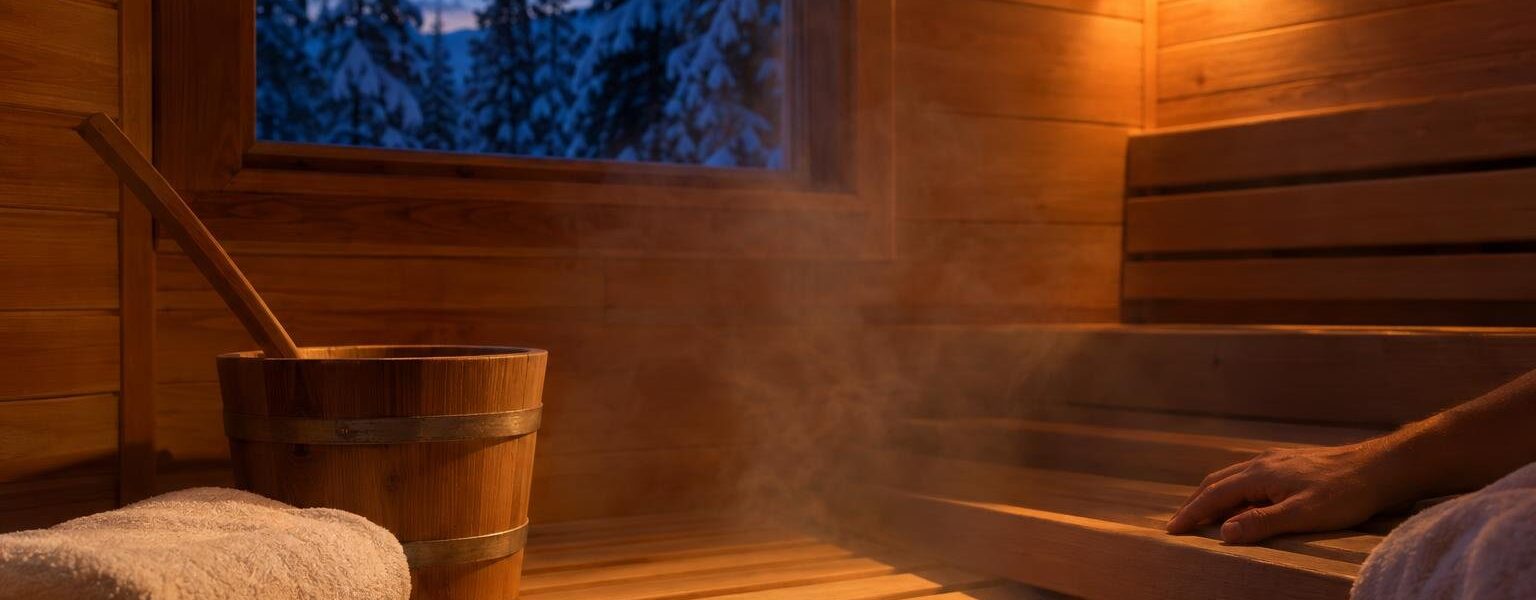
Picture a cold Finnish evening. Snow is falling on the pines outside, and inside a small cedar room the air is warm enough to make you breathe a little slower. For generations, Finns have treated this ritual as part of ordinary life, not a luxury. Now researchers are taking a closer look at what actually happens inside the body during those quiet, sweaty minutes.
When patients ask me about sauna health benefits, they usually mean relaxation, sore muscles or “sweating it out.” But a study from the University of Eastern Finland and the University of Turku looked at something far less obvious: your white blood cells, the mobile defenders of your immune system.
The researchers found that a single 30-minute sauna session, with a brief cold shower in the middle, sent every type of white blood cell they measured surging into the bloodstream. Within 30 minutes afterward, the counts had settled back to normal. The study was published earlier this year in the journal Temperature and was recently featured again in ScienceDaily.
Let me walk you through what the study really showed, what it does not prove yet, and how adults over 40 can use heat wisely as one part of caring for the body God gave them.
🔬 What the Sauna Study Actually Found
The study was led by Professor Jari Laukkanen of the University of Eastern Finland, a researcher who has spent years studying Finnish sauna habits, along with Ilkka Heinonen of the University of Turku and colleagues. They recruited 51 adults with an average age of 50, which is right in the age group many of my readers belong to.
Each person took a 30-minute sauna session that included a brief cold shower partway through. The team drew blood to see how the immune system responded. This was a study in real people, not in mice or cells in a dish, and it looked at one session and its immediate effects.
Here is what they reported, according to the University of Eastern Finland release and ScienceDaily:
- Every white blood cell type measured went up. That included neutrophils, the fast “first responders” of the immune system, and lymphocytes, the more specialized cells that learn to recognize specific invaders.
- The rise was temporary. Neutrophil and lymphocyte counts returned to baseline within 30 minutes after the session ended.
- Cytokines changed little on average. Cytokines are small signaling proteins that immune cells use to talk to one another. Several of them did shift in step with how much each person’s body temperature rose.
- White cell counts did not track body temperature. Whether someone heated up a little or a lot, the cell surge appeared either way.
That is why the paper’s title says the sauna produced “stronger immune cell than cytokine responses.” In plain English, the heat seemed to move your defenders around more than it changed the chemical messages between them.
The Honest Limitations
I always want you to know what a study can and cannot tell us. This one has real limits, and the authors were upfront about them.
- One session only. The researchers studied immediate changes, and they say no firm conclusions can be drawn about long-term immune benefits or fewer infections.
- Heat plus cold. The routine included a cold shower, so the results reflect heating and cooling together, not heat alone.
- A small group. Fifty-one people is a good start, but it is not a large trial.
- Design details. The reports I reviewed do not describe whether there was a separate comparison group, so we should hold the findings loosely until more studies confirm them.
Recent Research
According to ScienceDaily, the short-term movement of immune cells after a sauna resembles what happens during exercise. But similar short-term changes do not mean the two habits deliver identical benefits.
🛡️ Sauna and Immune System: Why Your Defenders Start Moving
Here is something many people do not realize. At any given moment, a large share of your white blood cells are not circulating in your bloodstream at all. They are parked in tissues and storage sites around the body, waiting to be called.
The researchers suggest the sauna mobilizes these cells, moving them out of storage and into the blood. Once in circulation, they can travel more widely and patrol the body. Scientists call this immune surveillance: the ongoing work of checking tissues for anything that does not belong.
I like to explain it to patients this way. Imagine a building’s security team. Most of the time, many guards are in the break room. When the alarm sounds, they spill into the hallways and walk their rounds. A sauna session seems to sound a gentle, temporary alarm. The guards make their rounds, and within half an hour most of them are back in the break room.
Why would heat do this? Heat is a real physical challenge. Harvard Health notes that heat dilates (widens) blood vessels and that your pulse rate can rise 30 percent or more during a sauna. Your body responds to that stress in many ways, and shifting immune cells into circulation appears to be one of them.
Dr. Heinonen of the University of Turku said that this kind of periodic release of white blood cells into the blood is beneficial. That fits what we already know about exercise, which triggers a similar release. If you have read my article on short strength training sessions for seniors, you know I am a big believer in movement. The sauna is not a replacement for exercise, but it appears to share some of the same short-term immune activity.
I want to be very clear on one point. This study did not show that a sauna “boosts immunity,” prevents colds or flu, or treats any illness. It showed a temporary shift in cell counts after one session. Whether repeated sessions add up to something lasting is a question the researchers say is still open.
When I look at research like this, I am reminded of how intricately we are designed. The psalmist wrote, “I will praise You, for I am fearfully and wonderfully made; marvelous are Your works, and that my soul knows very well” (Psalm 139:14, NKJV). Your body has a built-in system for moving its defenders where they are needed, and simple, God-given things like warmth and movement seem to call on it.
❤️ Sauna and Heart Health: What Long-Term Studies Suggest
The immune study is new territory, but Finnish researchers have been tracking sauna habits for decades. A review in Mayo Clinic Proceedings, written by Dr. Laukkanen and colleagues, gathered much of that evidence.
In one cohort of 2,315 Finnish men followed for 20.7 years, men who used the sauna more often and for longer sessions had a lower risk of sudden cardiac death, fatal coronary heart disease, cardiovascular death and death from any cause. Men who used the sauna 4 to 7 times a week had about half the risk of cardiovascular death (a hazard ratio of 0.50) compared with men who went once a week.
The same review describes a separate Finnish cohort of men aged 42 to 60, in which 4 to 7 sessions a week was linked to a 66 percent lower risk of dementia and a 65 percent lower risk of Alzheimer’s disease compared with one session. A more recent cohort paper on sauna bathing and blood pressure also notes that higher sauna frequency has been associated with lower rates of high blood pressure, stroke and cardiovascular death.
Those are striking numbers, and I want you to read them carefully. These are observational studies. They show an association, not proof that the sauna caused the difference. They were done mostly in Finnish men, in a culture where sauna is a lifelong habit. Men who sauna often may also differ in activity, stress, community and other ways that matter.
So I see the sauna as a promising piece of a heart-healthy lifestyle, not a stand-alone answer. If heart health is on your mind, knowing your actual numbers is wise. My article on the coronary artery calcium score explains one helpful test to discuss with your doctor.
Fast Fact
According to Harvard Health, a typical Finnish sauna runs at around 175°F. That is a serious dose of heat, which is why a slow, sensible approach matters so much after 40.
🌿 Benefits of Sauna After 50: How to Use Heat Safely
According to Harvard Health Publishing, saunas appear safe for most people. But “most people” is not “everyone,” and our bodies handle heat differently as we age. Here is what I tell my patients who want to add heat to their routine.
Check With Your Doctor First
Especially if you have heart disease, high or low blood pressure, or take daily medications. A quick conversation can save you real trouble.
Start Short
Harvard Health suggests staying in no more than 15 to 20 minutes. Begin with shorter sessions and let your body adjust. The study’s 30 minutes is not a beginner target.
Hydrate Afterward
Drink two to four glasses of cool water after your session to replace what you sweat out.
Cool Down Gradually
A sudden cold plunge adds stress to the heart. A comfortable, gradual cool-down is the safer choice for most adults over 40.
Skip Alcohol, Skip Sick Days
Avoid alcohol before a sauna, and stay out when you have a fever or feel ill. Leave right away if you feel lightheaded.
Make It a Quiet Pause
Leave your phone outside. Use the time to breathe slowly, pray, or simply be still and thank God for the day.
Who Should Be Extra Careful
Based on guidance from Harvard Health and the Mayo Clinic Proceedings review, please talk with your physician before using a sauna if any of these apply to you:
- Uncontrolled or poorly controlled high blood pressure
- Heart disease, unstable angina, a recent heart attack or severe aortic stenosis (a tight narrowing of the heart’s main valve)
- Low blood pressure, especially if you are in your 70s or older
- Pregnancy (saunas should be avoided)
- Taking medications that affect sweating, hydration or heat tolerance
Please do not change or stop any medication to make room for a sauna habit. Your doctor can help you decide what is safe for you.
How Often Should You Use a Sauna?
This is the question I hear most. In the Finnish cohorts, the strongest associations showed up at 4 to 7 sessions a week. But remember, those were men who grew up with the sauna as a daily part of life, and the data cannot tell us the “right” number for you.
My advice is to start with whatever your doctor approves, keep sessions short, and notice how you feel over the following hours. Consistency matters more than intensity. A gentle habit you can keep is far better than an extreme one that leaves you drained.
No Sauna? You Still Have Options
Not everyone has access to a sauna, and that is fine. Remember that exercise produces a similar short-term release of white blood cells. A brisk walk, a bike ride or a few minutes of strength work all put your body’s patrol system to work.
The bigger picture of immune health still rests on the basics: restful sleep, whole foods, daily movement, healthy relationships and a calm, grateful heart. If you want to go further, my article on a common vitamin D and immune system mistake is a good next read.
✦ Dr. Colbert’s Faith Perspective
Rest, Stillness and Stewardship
When Jesus saw His disciples worn out from ministry, He did not hand them a longer to-do list. He said, “Come aside by yourselves to a deserted place and rest a while” (Mark 6:31, NKJV). I think of a quiet sauna session the same way: a small, warm, set-apart place with no screens and no noise, where you can breathe and remember that God is God. As Psalm 46:10 (NKJV) says, “Be still, and know that I am God.”
At the same time, wise care for our bodies is not vanity. It is stewardship. We use heat, food, movement and rest thoughtfully because these bodies are on loan from the Lord, and He has called us to honor Him with them.
“Or do you not know that your body is the temple of the Holy Spirit who is in you, whom you have from God, and you are not your own? For you were bought at a price; therefore glorify God in your body and in your spirit, which are God’s.” (1 Corinthians 6:19-20, NKJV)
“The sauna is not a miracle cure. It is a quiet, warm invitation to slow down, and it turns out your immune system answers that invitation by sending its defenders out on patrol.”
Dr. Don Colbert, MD
In my book The Seven Pillars of Health, I describe health as a building that rests on several foundations working together: water, sleep, food, movement, detox, supplements and managing stress. A mild, consistent heat habit touches several of those pillars at once. It encourages hydration, pairs well with movement, and gives you a few minutes to release the stress of the day.
From Dr. Colbert’s Bookshelf
The Seven Pillars of Health
If you want more than one habit, this is the book I recommend. It walks you through the foundations of lasting health, including water, sleep, living food, movement, detoxification and stress, in simple weekly steps rooted in both science and Scripture. A sauna session fits right into its whole-life approach to prevention, and the book shows you how to build the rest of the house around it.
✅ Your Sauna Action Plan
- Talk with your doctor. Ask whether sauna use is safe for you, especially if you have heart or blood pressure concerns or take daily medications.
- Begin with short sessions. Start well under the 15 to 20 minute upper limit Harvard Health suggests, and build slowly as your body adapts.
- Prepare wisely. Skip alcohol beforehand, and sit it out on days you feel ill or feverish.
- Listen to your body. If you feel lightheaded, dizzy or unwell, step out right away and cool off.
- Cool down gently. Choose a comfortable, gradual cool-down rather than a shocking cold plunge, unless your doctor has cleared you for cold exposure.
- Rehydrate. Drink two to four glasses of cool water afterward.
- Pair heat with movement. Keep walking, stretching and strength training. Exercise moves your immune cells too, and it carries benefits a sauna cannot replace.
- Make it sacred time. Leave your phone outside, breathe slowly and use the quiet for prayer or gratitude.
❓ Frequently Asked Questions
Does a sauna boost your immune system?
Not in the way the phrase usually suggests. In this study of 51 adults, one session temporarily moved more white blood cells into the bloodstream, where they can patrol the body, and counts returned to normal within 30 minutes. The authors say we cannot yet conclude that regular sauna use leads to lasting immune benefits or fewer infections.
How long should you stay in a sauna?
Harvard Health suggests no more than 15 to 20 minutes. The Finnish study used 30 minutes with a cold shower midway, but that was a research protocol, not a starting point for beginners. Start shorter and let your body adjust.
How often should you use a sauna for health?
In large Finnish studies of men, 4 to 7 sessions a week was associated with lower cardiovascular risk compared with once a week. Those studies show associations, not proof of cause, so there is no proven ideal number. Choose a frequency your doctor approves and that you can sustain comfortably.
Is a sauna safe if you have high blood pressure?
Harvard Health advises that people with uncontrolled high blood pressure, unstable angina or other serious heart problems should avoid saunas or check with their doctor first. Older adults with low blood pressure also need extra care. Never adjust a blood pressure medication on your own; talk with your physician.
Do you need a cold shower after a sauna?
The study participants took a brief cold shower midway, so the results reflect heat and cooling together. Cold exposure adds stress to the heart and blood vessels. For most adults over 40, a gradual, comfortable cool-down is the safer choice unless your doctor says otherwise.
🙌 A Final Word
I love research like this because it shows how responsive the human body is. A warm room, a few quiet minutes and a gentle cool-down seem to call your immune defenders out on patrol, much like a good walk does. That is a beautiful picture of how God designed us.
At the same time, let’s stay honest. One session in 51 people does not prove lasting immune protection, and the long-term heart findings show associations rather than cause. The sauna is a promising tool, not a magic one.
So if your doctor gives you the green light, enjoy it wisely. Keep it short, stay hydrated, cool down gently and use those minutes to be still before the Lord. Small, faithful habits, practiced over time, are how we steward these remarkable bodies He has entrusted to us.
Be blessed and be well,
Dr. Don Colbert, MD
Sources
- A single sauna session sends immune cells surging through your body, ScienceDaily (source: University of Eastern Finland), 2026
- Heinonen IHA, Koivula T, Hollmén M, Immonen J, Kunutsor SK, Jalkanen S, Laukkanen JA. Acute Finnish sauna heat exposure induces stronger immune cell than cytokine responses, Temperature, 2026; 13(2):186
- Sauna bathing may boost immune responses, University of Eastern Finland, 2026
- Cardiovascular and Other Health Benefits of Sauna Bathing: A Review of the Evidence, Mayo Clinic Proceedings, 2018
- Sauna Health Benefits: Are saunas healthy or harmful?, Harvard Health Publishing
- Hot baths and saunas: Beneficial for your heart?, Harvard Health Publishing
- The Interplay between Systolic Blood Pressure, Sauna Bathing, and Cardiovascular Mortality in Middle-Aged and Older Finnish Men: A Cohort Study, NIH / PubMed Central
Was this helpful?
Get Dr. Colbert's weekly health tips
Simple, faith-filled health tips in your inbox once a week. Plus a free gift: the 21-Day Keto Zone Challenge.
Unsubscribe anytime. We never share your email.
What stood out to you most, and have you tried any of this yourself?
Tell us on Facebook