
Coffee and Gut Health: Why Decaf Surprised the Scientists
Picture your first cup of the morning. The steam rises, the aroma fills the kitchen, and before you have said a word to anyone, that coffee is already on its way to have a conversation with the trillions of bacteria living in your gut. That is not poetry. It is the picture emerging from new research on coffee and gut health.
Researchers at University College Cork and APC Microbiome Ireland asked a simple question: what actually happens in the gut and brain when coffee lovers stop drinking coffee, then start again? Their answer, reported by ScienceDaily, held a twist that surprised even the scientists. Decaf coffee joined the conversation too.
In my practice I am asked about coffee almost every week. “Is it good for me? Is it bad for me? Should I switch to decaf?” This study does not settle every question, but it gives us a fascinating window into how an everyday drink may interact with the body God designed. Let me walk you through what was found, what it does not prove, and how to enjoy your cup wisely.
🔬 What the Coffee and Gut Health Study Found
The study, led by Serena Boscaini with senior author John F. Cryan, was published in Nature Communications in April 2026. It is peer reviewed and open access, and it was done entirely in people, not in animals or cells.
Who took part and what they did
The researchers recruited 62 healthy adults in Ireland, aged 30 to 50. Half (31) were habitual coffee drinkers who usually had 3 to 5 cups a day. The other 31 never drank coffee and served as a comparison group at the start only.
The coffee drinkers then gave up all coffee and caffeine for 14 days. After that “washout,” they were randomly assigned to 21 days of 4 sachets a day of instant coffee. Sixteen received caffeinated coffee and 15 received decaf. Neither the participants nor the researchers knew who had which, a design called double blinding, as confirmed in the trial registration on ClinicalTrials.gov.
What changed in the gut
At the start, coffee drinkers had more of two specific groups of gut bacteria, Cryptobacterium and Eggerthella, than non-drinkers. Interestingly, the overall diversity of the microbiome (the whole community of microbes in the gut) did not change when people stopped or restarted coffee. The effect was on particular strains, not the whole ecosystem.
What changed in mood and the mind
When coffee came back, both the caffeinated and the decaf groups reported lower perceived stress, lower scores on a depression questionnaire and less impulsivity. These were healthy adults filling out questionnaires, not people being treated for any condition.
The two groups also showed different patterns in this small study:
- Caffeinated group: lower trait anxiety and psychological distress scores, better attention on a mental arithmetic test called the PASAT, and lower waking cortisol (cortisol is the body’s main stress hormone).
- Decaf group: significant gains in memory and learning (fewer errors on a word-pairing task), plus better sleep quality scores and higher physical activity scores. The authors note that some of the memory gain may simply be people getting better with practice.
Lead author John Cryan told PsyPost that decaf producing many of the same effects was a surprise. That points to something in coffee besides caffeine.
The other side of the story
This is not a “coffee is a health food” study, and I want you to see both sides. At the start, the coffee drinkers actually scored higher on impulsivity and emotional reactivity than non-drinkers, and the non-drinkers did better on memory. After two weeks off coffee, impulsivity and emotional reactivity dropped.
Inflammation markers were mixed. Coffee drinkers began with lower CRP (C-reactive protein, a general marker of inflammation) and higher IL-10 (a calming immune messenger). CRP and TNF-alpha, another inflammation messenger, rose during the break from coffee. But at the end of the reintroduction, CRP and TNF-alpha also rose in the decaf group, while IL-6 and IL-10 fell in the caffeine group. In plain terms, these markers shifted, but not in one tidy direction.
Coffee also did not change how much cortisol people released during a cold-water stress test. So the mood changes happened without a change in that stress response.
Honest limitations
This was a small study: 62 people total and only 15 to 16 in each coffee group. Participants were healthy, relatively young, mostly female, from one country, and not on medication. Most mood and thinking results came from self-reported questionnaires, and there was no “no coffee” comparison group during the reintroduction phase.
The study was funded by the Institute for Scientific Information on Coffee (ISIC), an industry-backed group, and the senior author reports other industry ties, including Nestle. The authors state the funder did not influence the paper. Cryan himself described the effects as “subtle but measurable” and said the work is more about understanding mechanisms than making lifestyle recommendations. One study is never the final word, and this one does not prove coffee causes these changes.
🧠 Why It Matters: Coffee, Your Microbiome and the Gut-Brain Axis
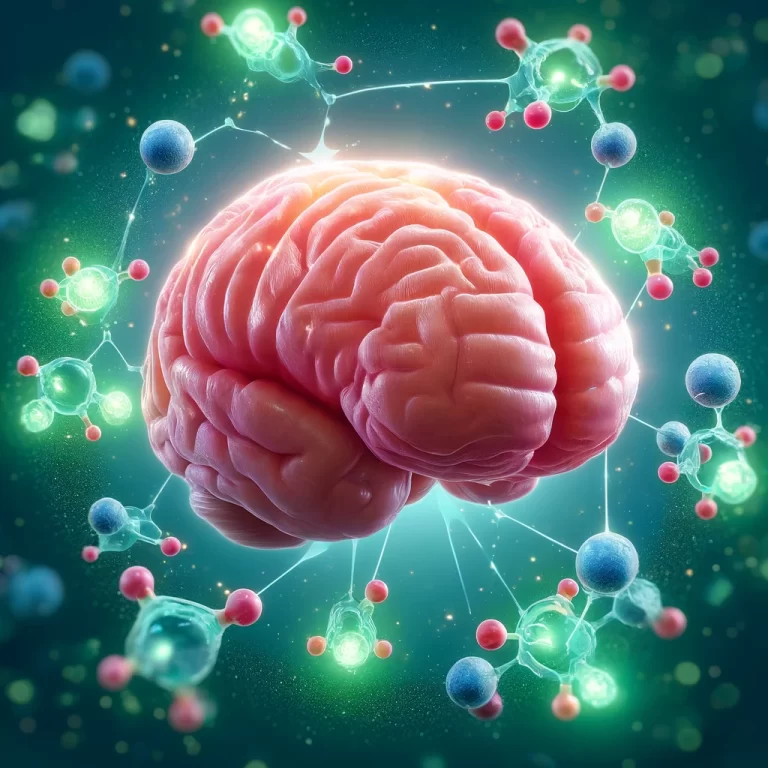
For years I have taught my patients about the gut-brain axis, the two-way communication highway between your digestive tract and your brain. Signals travel along nerves, through hormones and immune messengers, and through compounds your gut bacteria produce. What happens in your gut can influence how you think and feel, and the reverse is true as well.
So how could coffee, and especially decaf, talk to that system? The answer seems to lie in plant compounds called polyphenols.
Did You Know?
Polyphenols are natural plant compounds found in coffee, tea, berries, olive oil and many vegetables. Coffee is especially rich in one family called chlorogenic acids, and these remain in decaf.
According to Medscape, coffee’s gut effects are unlikely to be explained by caffeine alone. Chlorogenic acids travel down to the colon, where gut bacteria convert them into bioactive compounds. Melanoidins, the brown compounds formed during roasting, may also act as prebiotics, meaning food for beneficial bacteria.
The Biocodex Microbiota Institute describes the same idea: gut bacteria can break coffee polyphenols down into potentially beneficial metabolites, so the microbiome may help carry out some of coffee’s effects. In the Cork study, the byproducts of these polyphenols in urine varied enormously from person to person, and the authors linked that variation to each person’s own gut bacteria.
That is a beautiful reminder of something I see in my practice every day: two people can drink the same cup and respond very differently. Your gut is uniquely yours. As the psalmist wrote, “I will praise You, for I am fearfully and wonderfully made; Marvelous are Your works, And that my soul knows very well.” (Psalm 139:14, NKJV)
A word of caution here too. A recent review summarized by News-Medical found plausible links between coffee, the microbiome and liver health, but noted that human studies have not shown that microbiome changes cause coffee’s reported benefits. Association is not proof.
☕ Is Decaf Coffee Good for You? Simple Steps for a Gut-Friendly Cup
Here is what I tell my patients who love their coffee. You do not need to fear it, and you do not need to treat it like medicine. Think of it as one small part of a gut-friendly lifestyle. These steps are practical and gentle.
Know Your Caffeine Limit
The FDA cites 400 mg of caffeine a day, roughly two to three 12-ounce cups of coffee, as an amount not generally linked to negative effects in most healthy adults. Sensitivity varies widely, so let your body guide you.
Let Decaf Take the Afternoon
Because decaf keeps many of coffee’s polyphenols, it can be a good choice later in the day. In this small study, the decaf group also reported better sleep quality scores.
Feed Your Gut Many Plants
Coffee is only one source of polyphenols. Berries, greens, olive oil, nuts and colorful vegetables feed your gut bacteria too, along with plenty of fiber.
Keep the Cup Simple
Participants could add milk and sugar as they liked, so this study does not tell us about flavored drinks. I encourage patients to enjoy coffee close to its natural form and keep added sugar modest.
Pair Coffee With Calm
Use your morning cup as a cue for a quiet walk, a few minutes of prayer or a gratitude list. Stress management supports the gut-brain axis in ways no single drink can.
Listen to Your Body
Since responses varied so much from person to person, notice how coffee affects your digestion, energy, sleep and mood. Jitters, reflux or restless nights are signals worth respecting.
If you want to build a stronger gut foundation, start with fiber. My article on 10 signs you need more fiber is a good next read. And if late-day caffeine is costing you rest, you will find my thoughts on how sleep loss affects brain health helpful.
Who should be careful with caffeine
The FDA advises that people who are pregnant or trying to conceive, or who have certain conditions or take certain medications, talk with their health care provider about limiting caffeine. I would add: please talk with your doctor if you have high blood pressure, heart rhythm problems, anxiety or panic, insomnia, reflux or GERD, IBS or Crohn’s disease, or take medications that may interact with caffeine.
Medscape also notes that more than five cups a day has been associated with a higher risk of GERD and progression of Crohn’s disease. More is not better. The participants in this study were healthy and were not on medication, so these findings may not apply to everyone.
✦ Dr. Colbert’s Faith Perspective
Receiving Your Cup With Gratitude
Scripture treats food and drink as gifts from God, meant to be enjoyed. Ecclesiastes 3:13 tells us that to eat and drink and enjoy the good of our labor is a gift of God. A quiet cup of coffee at sunrise can become a moment of thanksgiving rather than a rushed habit.
At the same time, our bodies are a stewardship. The gut-brain connection, with bacteria translating plant compounds into messages your brain can use, is one more sign of the Creator’s wisdom. Honoring that design means choosing moderation and self-control, not rigid rules or fear. Before you take your first sip tomorrow, try thanking God for His provision and asking Him to guide your choices for the day.
“Therefore, whether you eat or drink, or whatever you do, do all to the glory of God.” (1 Corinthians 10:31, NKJV)
“Your morning cup is not medicine, and it is not the enemy. It is a gift, and like every gift from God, it is best received with gratitude and enjoyed with wisdom.”
Dr. Don Colbert, MD
Stress plays a large role in how your gut and brain communicate. If this is an area you are working on, my teaching on how stress, trauma and unforgiveness affect your health goes deeper. And if you want the full picture of how your digestive system shapes your whole body and mind, I wrote a book for exactly that purpose.
From Dr. Colbert’s Bookshelf
Dr. Colbert’s Healthy Gut Zone
This study is all about the gut-brain axis, and that is the heart of my book Healthy Gut Zone. In it I explain how your gut bacteria influence digestion, mood, stress and memory, and I share the everyday foods, habits and faith-based practices I use with my own patients to care for the microbiome. If this research made you curious about what is happening inside you, this book will help you put that curiosity into action.
✅ Your Coffee and Gut Health Action Plan
- Take an honest inventory. Count how many cups you drink and when. Compare it with the FDA’s 400 mg guide for most healthy adults.
- Notice your body for one week. Jot down how coffee affects your digestion, energy, focus and sleep. Your response is personal.
- Try decaf after lunch. You keep the ritual and many of the polyphenols while giving your evening rest a better chance.
- Keep it simple. Enjoy coffee close to its natural form and go easy on added sugar.
- Add plants to your plate. Berries, greens, nuts, olive oil and fiber-rich vegetables give your gut bacteria far more variety than coffee alone.
- Make your cup a moment of calm. Pair it with prayer, Scripture or a short walk instead of scrolling or rushing.
- Talk with your doctor if needed. This is especially important if you are pregnant or trying to conceive, take medications, or have heart, blood pressure, sleep, mood or digestive concerns.
❓ Frequently Asked Questions
Is coffee good for gut health?
Coffee appears to interact with specific gut bacteria, and its polyphenols can be converted by those bacteria into bioactive compounds. In this small study, coffee drinkers had more Cryptobacterium and Eggerthella, but overall microbiome diversity did not change. Coffee can fit into a gut-friendly lifestyle for many people, but it is not a substitute for a fiber-rich, plant-filled diet.
Is decaf coffee good for you?
Decaf keeps many of the polyphenols found in regular coffee, which is why researchers think it produced some of the same effects. In this study, the decaf group reported lower stress, better sleep quality scores and memory gains, though the memory results may partly reflect practice. It can be a good option for people who are sensitive to caffeine or want coffee later in the day.
How much coffee is safe to drink a day?
The FDA cites 400 mg of caffeine a day, about two to three 12-ounce cups of coffee, as an amount not generally associated with negative effects for most healthy adults. Sensitivity varies, and some people need less. If you are pregnant, take medications or have a health condition, ask your doctor what is right for you.
Does coffee help with anxiety or depression?
This study does not show that. The mood findings came from questionnaires filled out by healthy adults, and the authors say the results do not establish cause and effect. If you are struggling with anxiety or low mood, please talk with your physician, who can help you find the right support.
What is the gut-brain axis?
The gut-brain axis is the two-way communication system linking your digestive tract and your brain. It works through nerves, hormones, immune messengers and compounds made by gut bacteria. It helps explain why what you eat and drink may influence how you think and feel.
🙏 A Final Word on Your Morning Cup
I love research like this because it reminds us how intricately connected our bodies are. A simple cup of coffee travels to your gut, meets bacteria that are uniquely yours, and may send signals that reach your brain. That is the handiwork of a wise and loving Creator.
At the same time, this was a small, industry-funded study with subtle effects, and coffee also came with some downsides, such as higher impulsivity at baseline. So enjoy your cup with gratitude, keep it moderate, consider decaf later in the day, and focus on the bigger foundations: whole foods, fiber, movement, rest, peace and a living faith in God. Small, steady choices made with thanksgiving add up.
Stay curious, stay hopeful, and keep coming back here for more research explained in plain language. Your health is a gift worth stewarding well.
Dr. Don Colbert, MD
Sources
- Scientists just discovered what coffee really does to your gut and brain, ScienceDaily (University College Cork release), 2026
- Boscaini S, Bastiaanssen TFS, Moloney GM, et al. Habitual coffee intake shapes the gut microbiome and modifies host physiology and cognition, Nature Communications, 2026
- Coffee Consumption, the Gut Microbiome, and the Microbiota-Gut-Brain Axis (trial registration), ClinicalTrials.gov, U.S. National Library of Medicine
- Scientists discover how coffee interacts with the gut microbiome to affect the human brain, PsyPost, 2026
- Spilling the Beans: How Much Caffeine Is Too Much?, U.S. Food and Drug Administration
- Coffee and the Gut: What’s Brewing in the Microbiome?, Medscape, 2026
- From espresso to filter coffee, brewing may shape what reaches your gut, News-Medical, 2026
- The surprising effect of coffee on the microbiota, Biocodex Microbiota Institute
Was this helpful?
Get Dr. Colbert's weekly health tips
Simple, faith-filled health tips in your inbox once a week. Plus a free gift: the 21-Day Keto Zone Challenge.
Unsubscribe anytime. We never share your email.
What stood out to you most, and have you tried any of this yourself?
Tell us on Facebook