Elephant Garlic: Benefits, Uses and a Simple Wellness Paste

Last reviewed and updated: October 30, 2026
If you love the idea of garlic but find raw cloves too sharp to enjoy, elephant garlic may be the answer. It looks like garlic that has been working out: oversized cloves, a mild and slightly sweet flavor, and the same family of sulfur compounds that make the allium vegetables so interesting to researchers.
In this article I will walk you through what elephant garlic really is, what the research does and does not show, how to buy and cook it, and how to make the simple Elephant Garlic Wellness Paste that readers have been asking about for years.
What Is Elephant Garlic?
Elephant garlic (Allium ampeloprasum) is not true garlic. It belongs to the same allium family as garlic, onions, chives, and leeks, but botanically it is much closer to the leek. Regular garlic is Allium sativum.
That family connection explains a lot about how it behaves in the kitchen:
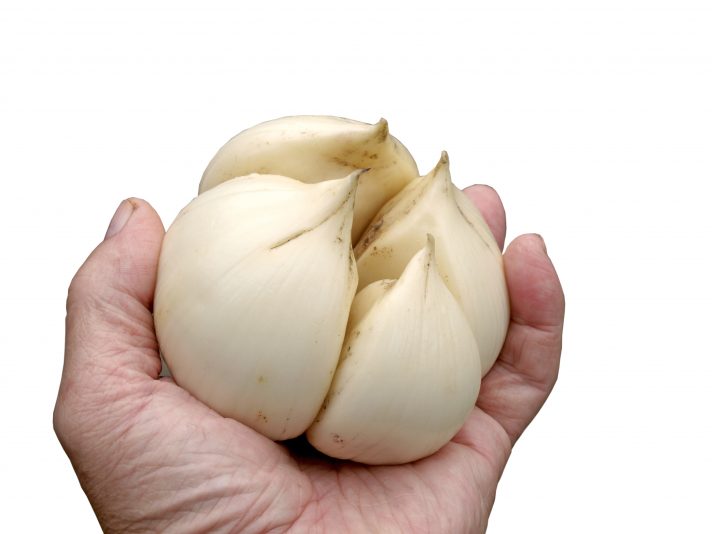
- Size. The bulbs are huge compared to regular garlic. A single bulb is often the size of a fist, and a few large cloves can fill your palm.
- Flavor. It is much milder than regular garlic, with a gentle, slightly sweet, onion-like taste. Many people who cannot tolerate raw garlic enjoy elephant garlic raw.
- Cloves. Each bulb usually holds only a handful of very large cloves, which makes peeling and slicing quick.
Because the flavor is softer, you can use more of it. That is part of its appeal for people who want to eat more alliums without the burn.
Elephant Garlic Nutrition and Sulfur Compounds
Like other alliums, elephant garlic is a low-calorie vegetable that adds fiber, flavor, and plant compounds to a meal. What makes the allium family special is its sulfur chemistry.
When you crush or chop a garlic clove, an enzyme called alliinase converts a compound called alliin into allicin. Allicin is unstable and quickly breaks down into other sulfur compounds, including diallyl sulfides. Researchers have studied allicin for decades for its antimicrobial and antioxidant activity in the lab.3
Elephant garlic makes compounds from the same family, generally in smaller amounts than regular garlic, which is one reason it tastes milder. One laboratory analysis found that elephant garlic oil is rich in diallyl sulfides.2 So think of elephant garlic as a gentler member of the family: easier on the palate, with a similar, though not identical, chemistry.
What the Research Says About Elephant Garlic
Most of the research on garlic has been done on regular garlic. Elephant garlic has been studied far less, and almost all of that work has been done in test tubes and petri dishes, not in people. Here is a fair summary.
Antibacterial activity in the lab
In a 2013 laboratory study, researchers tested an elephant garlic extract against seven bacterial strains, including E. coli and Staphylococcus aureus. The extract slowed bacterial growth, and against five of the strains it performed better than the antibiotic ampicillin in that lab setting. Even a diluted 12.5% extract still had an effect against E. coli and S. aureus.1
A separate 2009 study looked at elephant garlic oil against Vibrio cholerae, a foodborne bacterium that causes cholera. The oil killed every strain tested in the lab and slowed bacterial growth in a food model, which suggests it may one day be useful as a natural food preservative.2
These are encouraging findings, but a lab dish is not the human body. Eating elephant garlic is not a substitute for antibiotics or medical care when you have an infection.
Cell studies on cancer cells
The same 2013 study also tested elephant garlic extract on human osteosarcoma (bone cancer) cells grown in the lab. The extract slowed the cells’ growth cycle, reduced their ability to invade, and increased the number of cells undergoing programmed cell death.1
That is interesting early science, and it fits with a large body of lab research on allium compounds. But it does not mean that eating elephant garlic prevents or treats cancer. Results in isolated cells often do not carry over to people, and no human trials have tested this.
The bottom line on the research
Elephant garlic is a healthy, flavorful vegetable that shares many of garlic’s sulfur compounds. Early lab studies point to antibacterial activity. What we do not yet have are human studies showing specific health outcomes from eating it. I encourage you to enjoy it as part of a whole-food diet rich in vegetables, not as a remedy.
How to Get the Most From Elephant Garlic (Crush, Then Wait)
Here is a simple kitchen habit that applies to both regular and elephant garlic. Because allicin forms only after the clove is crushed or chopped, how you prepare it matters.
In a study on regular garlic, researchers found that heating whole, uncrushed cloves quickly wiped out much of their activity, while crushing the garlic and letting it rest before cooking helped preserve it.4 I go into this in more detail in Are You Eating Garlic Wrong?
- Crush, mince, or slice the cloves first.
- Let them rest about 10 minutes before they meet heat.
- Add them toward the end of cooking, or enjoy them raw, to protect the delicate compounds.
Where to Buy Elephant Garlic
Elephant garlic can take a little hunting. Some larger grocery stores carry it in the produce section, often near the shallots and specialty onions. If yours does not, try a natural foods store, an Asian or international market, or your local farmers market in late summer and fall.
You can also grow your own. Elephant garlic is a favorite of home gardeners because it is hardy and easy to grow. Plant individual cloves in the fall, pointed end up, and harvest the following summer when the lower leaves begin to brown. Seed cloves are widely sold online and at garden centers.
When buying, look for firm, heavy bulbs with dry, papery skins and no soft spots or green sprouts.
How to Eat and Cook Elephant Garlic
Because it is so mild, elephant garlic is wonderfully versatile:
- Raw: thinly slice it into salads, salsas, or a simple olive oil and lemon dressing.
- Sauteed: use it as you would regular garlic, just use a bit more. It browns quickly, so keep the heat moderate.
- Roasted: roast whole cloves in olive oil until soft and golden, then spread on vegetables or mix into soups. My Creamy Garlic Soup is a great place to start.
- In spreads: blend roasted cloves into dips and pates, like this Keto Garlic Pate.
Elephant Garlic Wellness Paste
This is a simple, old-fashioned way to enjoy elephant garlic raw. Many readers like to make it during the cooler months.
You will need:
- 1 to 2 tablespoons finely minced elephant garlic
- About 1 teaspoon extra-virgin olive oil (choose a fresh, peppery, high-polyphenol oil)
- 1 to 2 drops liquid stevia (optional, to soften the bite)
Directions:
- Mince the elephant garlic finely and let it rest for about 10 minutes.
- Place it on a large spoon and drizzle with the olive oil.
- Add a drop or two of stevia if you like.
- Take the spoonful and chew slowly until it becomes a soft paste, then swallow.
- Follow with a glass of water or a bite of food if it feels strong.
Some people notice a warm feeling or extra saliva afterward, which is normal with raw alliums. If you want to learn more about choosing a good oil, see Should You Start Drinking Olive Oil Every Day?
A few cautions: raw garlic can irritate the mouth and stomach and may trigger heartburn in some people, so start small and take it with food if needed. Garlic may also add to the effect of blood thinners, so if you take an anticoagulant or have surgery coming up, talk with your doctor first.
“And God said, Behold, I have given you every herb bearing seed, which is upon the face of all the earth, and every tree, in the which is the fruit of a tree yielding seed; to you it shall be for meat.”
Genesis 1:29 (KJV)
Bottom Line
Elephant garlic is a mild, oversized cousin of garlic that is easy to love, even raw. It shares much of garlic’s sulfur chemistry, and early lab studies suggest antibacterial activity, though human research is still lacking. Enjoy it in salads, roasted vegetables, soups, and the wellness paste above as part of a vegetable-rich way of eating.
For more on whole-food ways to support your body, see my Detox Start Here guide. And if you would like meal plans, shopping lists, and daily coaching, join my free 21-Day Keto Zone Challenge.
Frequently Asked Questions
Is elephant garlic real garlic?
No. Elephant garlic (Allium ampeloprasum) is in the same allium family as garlic, but it is botanically closer to the leek. Regular garlic is Allium sativum. It looks like oversized garlic and tastes much milder.
Does elephant garlic have the same health benefits as regular garlic?
It contains many of the same types of sulfur compounds, generally in smaller amounts, which is why it tastes milder. Lab studies show antibacterial activity, but it has been studied far less than regular garlic and there are no human trials on specific health outcomes.
Can you eat elephant garlic raw?
Yes. Its mild flavor makes it one of the easiest alliums to eat raw. Slice it thinly into salads or dressings, or try the wellness paste in this article. Start with small amounts if raw garlic tends to bother your stomach.
How do you cook elephant garlic?
Use it like regular garlic, but use a little more. Saute it over moderate heat because it browns quickly, or roast whole cloves in olive oil until soft. Crushing or chopping it and letting it rest about 10 minutes before cooking helps preserve its natural compounds.
Where can I buy elephant garlic?
Look in the produce section of larger grocery stores, natural foods stores, Asian or international markets, and farmers markets in late summer and fall. You can also grow it at home by planting cloves in the fall.
References
- Huang, et al. Antibacterial activity of elephant garlic and its effect against U2OS human osteosarcoma cells. Iran J Basic Med Sci. 2013.
- Rattanachaikunsopon P, Phumkhachorn P. Antimicrobial activity of elephant garlic oil against Vibrio cholerae in vitro and in a food model. Biosci Biotechnol Biochem. 2009.
- Borlinghaus J, et al. Allicin: chemistry and biological properties. Molecules. 2014.
- Cavagnaro PF, et al. Effect of cooking on garlic (Allium sativum L.) antiplatelet activity and thiosulfinates content. J Agric Food Chem. 2007.
This article is for educational purposes only and is not medical advice. Talk with your own doctor before changing your diet, starting a supplement, or changing any medication. These statements have not been evaluated by the Food and Drug Administration. Products mentioned are not intended to diagnose, treat, cure, or prevent any disease.
Was this helpful?
Get Dr. Colbert's weekly health tips
Simple, faith-filled health tips in your inbox once a week. Plus a free gift: the 21-Day Keto Zone Challenge.
Unsubscribe anytime. We never share your email.
What stood out to you most, and have you tried any of this yourself?
Tell us on Facebook