Fiber and Your Gut Lining: What Hungry Gut Bacteria May Eat Next

Picture a crowded city where the grocery trucks suddenly stop running. For a while, people get by. Then, when the shelves are empty, they start pulling boards off the walls to survive. That is a little like what scientists believe may happen inside your intestines when your gut bacteria run out of the food they love most: fiber.
For years I have taught my patients that the connection between fiber and gut lining health is one of the most overlooked keys to feeling well after 40. Now a team at Princeton and the Ludwig Institute for Cancer Research has added a fascinating new chapter to that story.
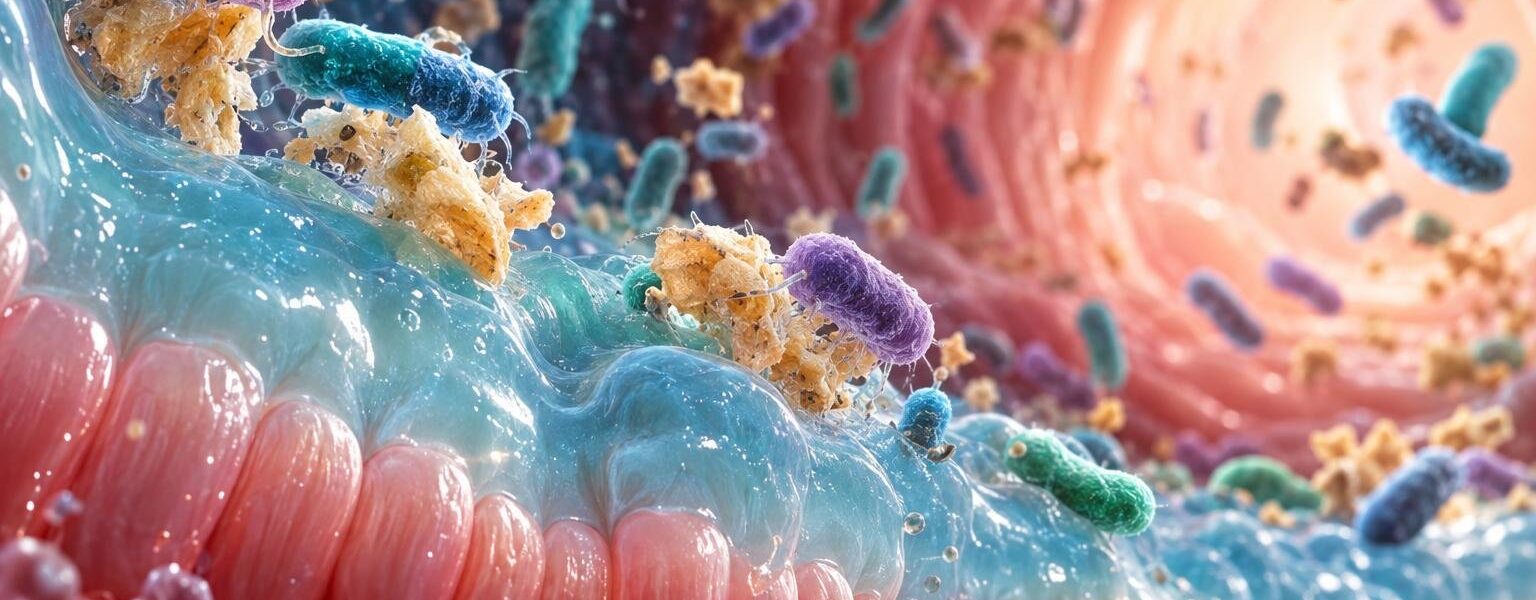
Working mostly in mice, the researchers found that when gut bacteria lack fiber, they may begin breaking down the body’s own proteins, including the protective mucus layer that coats the intestines. In the process, they make more of certain compounds linked to poor outcomes. Fiber, on the other hand, helped shift things in a healthier direction. You can read the summary in ScienceDaily’s report on the study.
Let me walk you through what the scientists found, what it does and does not mean for you, and the simple steps you can take this week to feed your gut the way God designed it to be fed.
🔬 What the New Fiber and Gut Lining Research Found
This research comes from two related papers led by Dr. Joshua Rabinowitz’s group, one in the Proceedings of the National Academy of Sciences (PNAS) and a companion paper in Nature Metabolism. Most of the work was done in mice, using a technique called stable-isotope tracing. That simply means the scientists “tagged” proteins with a harmless marker so they could follow exactly where those proteins went in the gut and what they turned into.
Two building blocks, two very different results
Proteins are made of smaller building blocks called amino acids. The researchers focused on two of them: phenylalanine and tyrosine. Gut bacteria can turn both into what scientists call “phenol metabolites,” which are small compounds that enter the bloodstream.
Here is the interesting part. The compounds made from phenylalanine (such as phenylpropionate and hippuric acid) have been linked to healthy body weight and better gut health. The compounds made from tyrosine (such as p-cresol sulfate and phenol sulfate) have been linked to worse outcomes in cancer patients and to harm in people with kidney disease. So it matters a great deal which direction your gut bacteria lean.
Where the troublesome compounds came from
When the team traced these compounds in mice, they made a surprising discovery. The potentially harmful phenols came from bacteria breaking down the animal’s own proteins, including proteins in the protective mucus layer lining the intestines. The beneficial phenols, by contrast, came almost entirely from indigestible proteins in food.
And fiber made a clear difference. In these experiments, fiber reduced the bacteria’s breakdown of the gut’s mucus lining and lowered production of the harmful phenols. In other words, when the microbes were well fed, they left the walls alone.
Meet “Prif,” a brand new idea
The researchers coined a new term: “proteins imitating fiber,” or Prif. These are plant proteins that resist digestion, so like fiber they travel down to the colon, where bacteria can use them. In the study, Prif and fiber together shifted the balance away from the harmful tyrosine products and toward the healthier phenylalanine products.
Dr. Rabinowitz even predicted that “food packaging may eventually list Prif right below fiber.” I love the vision, but please understand this is a prediction, not a current rule. Prif is not yet an official nutrient, there is no recommended amount, and you will not find it on any label today.
The companion study adds a twist
The Nature Metabolism paper used tracing in mice, rats and human cells, along with blood samples from patients taking antibiotics, including cancer patients. It found that our own cells can make many of these compounds (for example, indole-3-lactate and indole-3-acetate) that were once credited only to gut microbes. Compounds made only by microbes, such as indole-3-propionate and p-cresol sulfate, did drop after antibiotics.
Why does that matter? It tells us the microbiome is not the only lever. Your own body is an active partner in producing these compounds, which is one more reason whole-body habits matter.
An honest look at the limits
I always want to be straight with you about the science. This was mostly animal and laboratory work. There was no human diet trial, no measured health outcomes in people, and no specific fiber amount tied to a result. The dramatic headline about bacteria “eating your gut lining” describes something observed in mice, not proven harm in people. The work was funded by the Ludwig Institute for Cancer Research, the National Institutes of Health and Princeton. One study, or even two, is never the final word.
Still, it lines up remarkably well with earlier research, and that is what caught my attention.
🛡️ Why Your Gut Mucus Layer Matters So Much
Your intestines are lined with a slippery coating of mucus. Think of it as a protective blanket between the trillions of bacteria living in your gut and the delicate cells of your intestinal wall. It is one of the many ways you are, as the psalmist said, “fearfully and wonderfully made.”
Your gut bacteria have a favorite food, and it is fiber. As the Mayo Clinic explains, fiber passes largely intact to the colon, where gut bacteria use it for energy. When that supply dries up, the microbes do not simply go to sleep. Some of them look for another meal.
That is exactly what an earlier, independent study in the journal Cell found. Desai and colleagues reported in 2016 that when mice faced chronic or intermittent fiber shortage, their gut bacteria turned to the mucus the body secretes as a food source, wearing down the colon’s mucus barrier. Those mice also became more vulnerable to a gut infection.
A 2018 paper in Cell Host & Microbe confirmed that mice fed a fiber-depleted diet for up to 40 days had a thinner colonic mucus layer, and its title makes the point plainly: fiber protects against mucus deterioration. Again, these were animal studies, but the pattern is consistent across different labs.
Did You Know?
According to the USDA’s national survey data, the average American eats only about 16 grams of fiber a day, well below recommended intakes. Cleveland Clinic notes that only about 5% of U.S. adults get enough.
Put those numbers next to this research and you can see why I care so much about it. If most of us are running our gut bacteria on a near-empty pantry, it makes sense to ask what those hungry microbes are doing instead. I have written before about how a high fiber diet shapes your gut bacteria, and this new work fits right into that picture.
In my practice I often see people who eat “healthy” by many standards, yet their plates are surprisingly low in plants. They may eat lean protein and skip sugar, which is wonderful, but they forget to feed the living garden inside them. If you are not sure where you stand, my article on the 10 signs you need more fiber is a good place to start.
🥗 High Fiber Foods for Gut Health: 6 Simple Steps
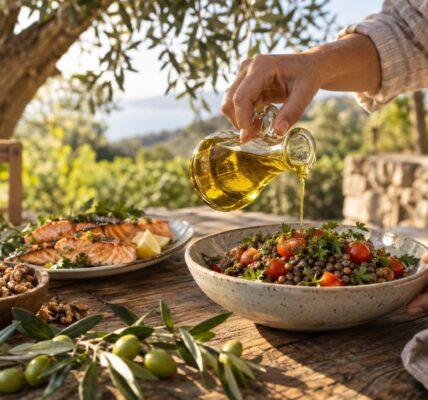
The good news is that feeding your gut bacteria well is not complicated or expensive. God has filled the earth with foods that do exactly this. Here is what I tell my patients.
Fill Half Your Plate With Vegetables
Leafy greens, broccoli, cauliflower, Brussels sprouts, asparagus and artichokes give your gut bacteria a steady supply of fiber at nearly every meal.
Welcome Beans and Lentils
Beans, lentils and chickpeas are whole plant foods that naturally contain both fiber and plant protein. If they fit your eating plan, they are a simple way to diversify.
Sprinkle Nuts and Seeds Daily
Chia, flax, almonds and walnuts are easy to add to salads, yogurt or a morning shake, and they work beautifully on low-carb plans.
Choose Berries for Sweetness
Raspberries, blackberries and blueberries bring fiber and color. They are my go-to fruit for patients watching their carbohydrates.
Go Slow and Steady
Mayo Clinic suggests adding about 3 grams of fiber per week to avoid bloating and gas. Your gut bacteria need time to adjust to the new menu.
Drink Plenty of Water
Fiber works best with fluid. Mayo Clinic suggests about 80 ounces of water a day as you increase fiber, unless your doctor has advised otherwise.
Variety is the secret ingredient
Notice that the new study found two helpers working together: fiber and those digestion-resistant plant proteins. You do not need to track Prif (no one can yet). But you can eat a wide variety of whole plant foods, which naturally brings many kinds of fiber and plant protein to your gut. I like to challenge patients to eat 20 to 30 different plant foods each week, counting herbs, spices, nuts and seeds. It turns healthy eating into a fun treasure hunt.
How much fiber do I need after 50?
You will see different numbers depending on the source, so let me be clear about who says what. The Mayo Clinic says most healthy adults should aim for 30 to 40 grams a day. Cleveland Clinic, citing the Dietary Guidelines for Americans 2020 to 2025, says adults 51 and older need about 22 grams (women) and 28 grams (men) a day.
Either way, if you are near the national average of about 16 grams, you have room to grow. Start where you are and add a little each week.
Fiber on a keto diet: do not let it slip
Many of my readers follow a keto or Mediterranean keto lifestyle, and I am a big believer in it. But Harvard Health points out that very-low-carb diets may unintentionally lower fiber intake. When people cut bread and grains, they sometimes forget to replace that fiber with vegetables.
The answer is not to abandon keto. It is to build your keto plate around low-carb vegetables, avocados, nuts, seeds and a handful of berries. That is the heart of a Mediterranean keto approach, and if you are a woman over 50, my article on keto for women over 50 offers more practical guidance.
What about fiber supplements?
I am a food-first doctor, and so is Mayo Clinic. In its guidance on increasing fiber, Mayo notes that supplements usually supply only one type of fiber and may not give all the benefits of fiber from food. If meals still fall short, a supplement is an option, but start low, since it can cause bloating, cramping and gas. Keep in mind that this new research did not test supplements at all.
One important caution: if you have irritable bowel syndrome, inflammatory bowel disease, kidney disease, a history of bowel obstruction, or you take medications, please talk with your doctor before making big fiber changes or adding a supplement. Fiber can affect how some medications are absorbed, so timing matters.
✦ Dr. Colbert’s Faith Perspective
A Protective Wall, Built by a Loving Designer
When I read research like this, I am struck again by the wisdom of our Creator. He built a protective barrier into the lining of our intestines, and He gave us the very plants that help keep it nourished. On the sixth day, before there was a single nutrition label, God pointed to seed-bearing plants and fruit as food for His people.
Daniel understood this too. He asked for vegetables and water and was found healthier than those eating the king’s rich food (Daniel 1:12 to 15). Your body is a temple of the Holy Spirit (1 Corinthians 6:19 to 20), and stewarding it is not about guilt. It is about gratitude. Every colorful plate is a small act of worship, a way of saying, “Thank You, Lord, for what You made.”
“And God said, ‘See, I have given you every herb that yields seed which is on the face of all the earth, and every tree whose fruit yields seed; to you it shall be for food.'” (Genesis 1:29, NKJV)
“Beloved, I pray that you may prosper in all things and be in health, just as your soul prospers.” (3 John 1:2, NKJV)
“Your gut bacteria are going to eat something today. Our job is to make sure it is the good food God provided, not the protective walls He built.”
Dr. Don Colbert, MD
If this topic has sparked your curiosity, I wrote Dr. Colbert’s Healthy Gut Zone for exactly this reason. So many of my patients wanted a clear, faith-friendly roadmap for caring for their microbiome and their gut barrier, and I wanted to give them one they could actually live with.
From Dr. Colbert’s Bookshelf
Dr. Colbert’s Healthy Gut Zone
In Dr. Colbert’s Healthy Gut Zone, I walk you through the microbiome, the gut barrier and how to feed the good bacteria that live within you, all in plain language you can put to work right away. It pairs beautifully with this new research on fiber and your gut lining. And if you want help turning “eat more plants” into delicious meals, the companion Dr. Colbert’s Healthy Gut Zone Cookbook is full of gut-friendly recipes your whole family can enjoy.
📋 Your 7-Day Fiber Action Plan
Here is a simple plan to start feeding your gut bacteria better this week. Small, steady steps win the race.
- Take a quick fiber inventory. For two days, jot down the plant foods you eat. Most people are surprised how few show up.
- Add one vegetable to breakfast. Spinach in your eggs, avocado on the side or a handful of greens in a shake is an easy start.
- Sprinkle seeds once a day. A spoonful of chia or ground flax on salad, yogurt or a smoothie adds fiber with very little effort.
- Make half your lunch and dinner plates vegetables. Think roasted broccoli, a big salad, sautéed greens or grilled asparagus.
- Swap a snack for nuts or berries. A small handful of almonds or a cup of raspberries feeds your gut far better than chips or crackers.
- Increase gradually and hydrate. Follow Mayo Clinic’s tip of about 3 more grams per week, with plenty of water.
- Check with your doctor first if needed. If you have a digestive or kidney condition, a history of bowel obstruction, or take medications, talk with your physician before big changes.
Movement helps your gut, too. A daily walk is one of the simplest ways to keep things moving, as I explained in my article on walking and gut health.
❓ Frequently Asked Questions
Do gut bacteria really eat your gut lining if you don’t eat fiber?
In mice, yes. Several studies show that when fiber runs short, gut bacteria turn to the mucus layer that protects the intestines and break it down for food. We do not yet have human diet trials proving the same thing happens in people, so think of this as a strong animal finding that supports eating plenty of fiber.
How much fiber do I need after 50?
It depends on the source. Mayo Clinic says most healthy adults should aim for 30 to 40 grams a day, while Cleveland Clinic, citing the Dietary Guidelines for Americans, says about 22 grams for women and 28 grams for men age 51 and older. Most Americans eat only about 16 grams, so nearly everyone can benefit from adding more slowly.
Can I get enough fiber on a keto diet?
Yes, but it takes intention. Harvard Health notes that very-low-carb diets may unintentionally lower fiber. Build your meals around low-carb vegetables, avocados, nuts, seeds and berries to keep your gut bacteria well fed while staying in ketosis.
What are “proteins imitating fiber,” or Prif?
Prif is a new term the Princeton researchers created for plant proteins that resist digestion and reach the colon, much like fiber does. In their mouse studies, Prif and fiber together nudged gut bacteria toward making healthier compounds. It is not an official nutrient and has no recommended amount, so the best approach for now is simply to eat a variety of whole plant foods.
Should I take a fiber supplement?
Food comes first. Mayo Clinic explains that supplements usually provide only one type of fiber, while whole foods offer many kinds. If you still fall short, a supplement may be an option, starting low, but talk with your doctor first if you take medications or have a digestive or kidney condition.
🙏 A Final Word of Encouragement
I find this research both humbling and hopeful. Humbling, because it reminds us how much is happening inside us that we never see. Hopeful, because the solution is so simple and so beautiful: eat the colorful, seed-bearing foods God placed in the garden from the very beginning.
You do not have to overhaul your life overnight. Add one vegetable, one handful of seeds, one bowl of berries. Drink your water. Take a walk. Thank God for the meal in front of you. Those small choices, repeated day after day, are how we steward the temple He has entrusted to us.
I am praying that you prosper in health, just as your soul prospers.
Dr. Don Colbert, MD
Sources
- When your gut bacteria run out of fiber, they may start eating your gut lining, ScienceDaily, 2026
- Earlier report on the same research, ScienceDaily, August 2026
- AbuSalim JE, et al. Digestion-resistant proteins support the healthy metabolite profiles associated with plant-based diets, Proceedings of the National Academy of Sciences, 2026
- AbuSalim JE, et al. Host metabolism can produce many indoles and phenols independently of the microbiome, Nature Metabolism, 2026
- Desai MS, et al. A Dietary Fiber-Deprived Gut Microbiota Degrades the Colonic Mucus Barrier and Enhances Pathogen Susceptibility, Cell, 2016
- Bifidobacteria or Fiber Protects against Diet-Induced Microbiota-Mediated Colonic Mucus Deterioration, Cell Host & Microbe, 2018
- Mayo Clinic Q&A: Why is fiber good for your overall health?, Mayo Clinic News Network
- Mayo Clinic Q&A: Increasing fiber intake for constipation relief, Mayo Clinic News Network
- How Much Fiber Do You Need per Day?, Cleveland Clinic
- Dietary Fiber Intake of the U.S. Population (What We Eat in America, NHANES 2009 to 2010), USDA Agricultural Research Service
- Should I be eating more fiber?, Harvard Health, 2019
Was this helpful?
Get Dr. Colbert's weekly health tips
Simple, faith-filled health tips in your inbox once a week. Plus a free gift: the 21-Day Keto Zone Challenge.
Unsubscribe anytime. We never share your email.
What stood out to you most, and have you tried any of this yourself?
Tell us on Facebook