Why Chronic Back Pain Feels So Personal: New Brain Scans Explain

You bend down to pick up a grandchild’s toy, and before your hand even reaches the floor, your whole body braces. You remember the last time your back “went out.” You remember canceling plans and missing church. You remember the look on someone’s face when you couldn’t get up from the couch. The pain hasn’t even started, but your mind is already there.
If you live with chronic back pain, that scene probably feels familiar. In my practice I have heard it described a hundred different ways, but the theme is always the same: this pain doesn’t feel like a simple ache. It feels personal. It feels like it has moved in and started rearranging who you are.
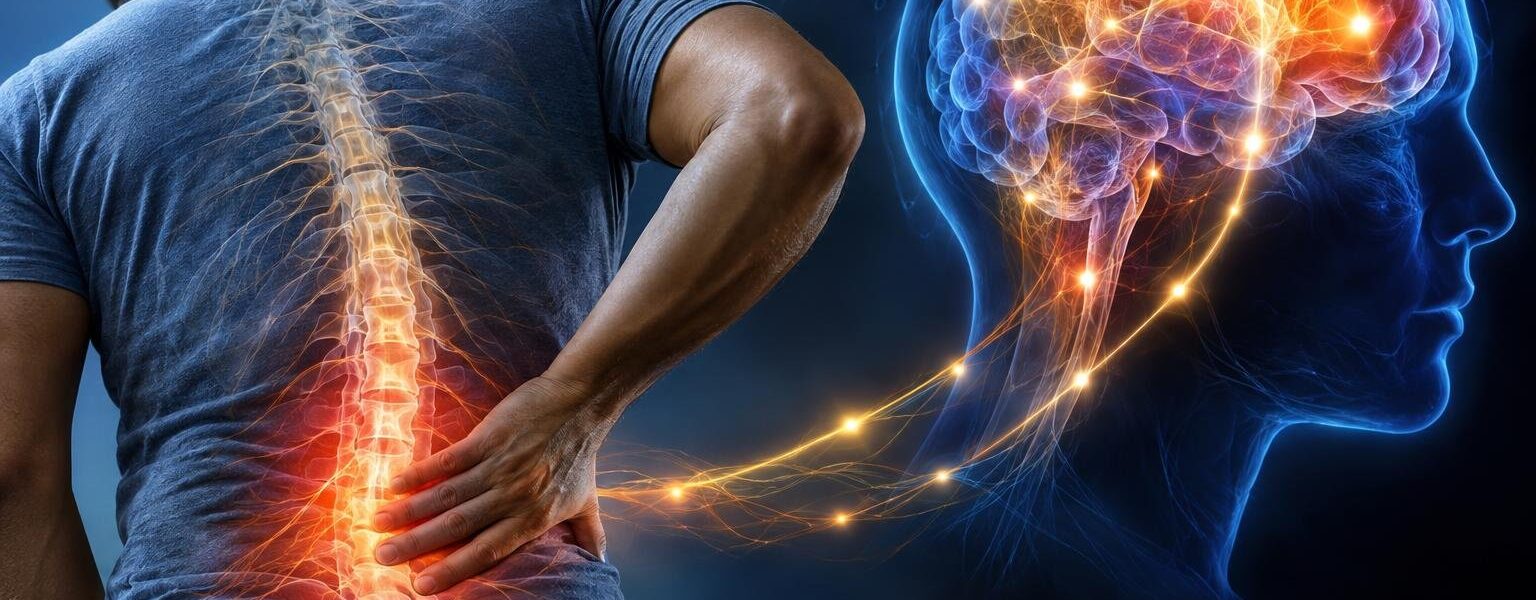
Now researchers at the University of California, San Diego may have found part of the reason why. In a brain imaging study of 114 adults, they discovered that when chronic low back pain flares with movement, it switches on a part of the brain tied to our sense of self, our memories and our identity. You can read the summary in the ScienceDaily report on the study.
Let me walk you through what they found, why it matters and, most importantly, the practical, hope-filled steps you can begin taking this week.
🔬 What the Chronic Back Pain Brain Study Found
The study was published October 5, 2026 in the British Journal of Anaesthesia by Dr. Fadel Zeidan and colleagues at the UC San Diego Pain Health and Mindfulness Laboratory. According to the university’s summary, the team studied 114 adults whose low back pain had lasted more than 12 weeks.
The researchers used brain imaging tools called fMRI (functional magnetic resonance imaging, which shows which brain areas become more active) and arterial spin labeling (a scanning method that tracks blood flow in the brain). This was an observational study, meaning they watched what happened in the brain. They did not test any treatment.
Two kinds of pain, two opposite brain responses
Each person did a standard leg-raise test, a simple movement that tends to trigger a back pain flare. When that movement-evoked pain hit, a group of brain regions called the Default Mode Network, or DMN, switched on. The DMN is sometimes called the “self network” because it is involved in self-reflection, personal memories and our sense of identity.
Here is the surprising twist. When those same people felt a harmless but uncomfortable heat stimulus on the calf, the DMN did the opposite: it became less active. In other words, ordinary, everyday pain pulls the brain’s attention outward. A chronic back pain flare pulls it inward, toward the self.
More severe pain, stronger connections
The researchers also found that people with more severe chronic back pain had stronger connections between the DMN and the primary somatosensory cortex, the part of the brain that processes physical sensations like touch and pressure. Greater pain during the leg raise was linked with more activity in areas that handle sensation and movement. Even the rise in heart rate during the test tracked how intense the flare was.
Brain Science
Senior author Fadel Zeidan explained that a flare can become identified with “who you are.” He described the experience as colored by anticipation of pain, past embarrassment and fear of movement.
An honest look at the limits
I always want you to understand what a study can and cannot tell us. This was one observational study in people. It shows patterns of brain activity linked with pain, not cause and effect. It does not prove that changing the self network will relieve anyone’s pain, and the summary did not report the age or sex breakdown of the participants.
The researchers themselves describe the work as early. They mention that mindfulness meditation, which they study, aims to change a person’s relationship with pain rather than erase it, and they are clear that it is not a “silver bullet.” The study was funded in part by the NIH’s National Center for Complementary and Integrative Health, and the authors reported no conflicts of interest.
💡 Why It Matters: Your Pain Is Real, and Your Brain Is Listening
Let me say this as plainly as I can: this study does not mean your back pain is “all in your head.” The researchers emphasize that the pain is real. What they found is about how the brain processes that pain over time.
God designed your nervous system with remarkable wisdom. When you touch a hot stove, your brain quickly focuses on the outside world so you can pull away. That is protective. But when pain lingers for months or years, the brain seems to file it differently. It starts weaving the pain into your memories, your expectations and your story about yourself.
Think about what that means in daily life. Every time you anticipate a flare, recall an embarrassing episode or avoid a movement out of fear, you may be reinforcing that connection. The pain becomes less like an event and more like an identity: “I’m someone with a bad back.”
Why does my back pain keep coming back?
Many of my patients ask me this. There are physical reasons, of course, and every person deserves a careful exam. But this research hints at another piece of the puzzle. Fear of movement often leads us to move less. Moving less leads to stiffness and weaker muscles. And weaker muscles make the next flare more likely, which deepens the fear. It is a cycle, and the brain sits right in the middle of it.
The good news is that cycles can be interrupted. This is exactly why leading physician groups now encourage a mind body approach to chronic back pain, one that addresses both the body and the way we relate to pain.
Recent Research
The American College of Physicians guideline strongly recommends starting with non-drug treatment for chronic low back pain. Options with moderate-quality evidence include exercise, multidisciplinary rehabilitation, acupuncture and mindfulness-based stress reduction. Tai chi, yoga, relaxation and cognitive behavioral therapy are also listed, with lower-quality evidence.
The ACP’s announcement put it simply: physicians and patients should initially choose non-drug therapy for chronic low back pain. The American Academy of Family Physicians endorses that guideline as well. I want to be honest with you: the guideline dates from 2017, and the benefits it describes are modest. These are not miracle cures. But they are gentle, low-risk tools, and together they can make a real difference in how you live.
🌿 Natural Back Pain Relief: 6 Gentle Ways to Respond
According to American Family Physician, people with any type of low back pain should be encouraged to stay as active as pain allows, and first-line options for chronic pain carry fewer harms than medication. Here is how I help my patients put that into practice.
Keep Moving, Gently
Bed rest and avoidance can feed the fear cycle. Short, frequent walks tell your brain that movement is safe. Start with what feels manageable, even 5 to 10 minutes, and build slowly.
Build Supportive Strength
Exercise has moderate-quality evidence for modest improvement in chronic low back pain. A physical therapist can design a safe routine for your core, hips and legs.
Try Slow, Flowing Movement
Tai chi and gentle stretching programs are listed in the ACP guideline. Their slow pace helps you relearn movement without bracing against it.
Calm the Fear and Anticipation
Mindfulness-based stress reduction is one guideline-backed option. Many of my patients prefer Scripture meditation and prayer, quietly dwelling on God’s promises when dread arises.
Protect Your Sleep
A tired brain is a more anxious brain. Keep a steady bedtime, dim screens in the evening and find a supportive sleeping position your doctor approves.
Stay Connected
Pain tends to isolate us. Walk with a friend, join a small group or keep showing up at church in whatever way you can. Shared life reminds you that you are more than your symptoms.
A closer look at the mind body side of back pain
Mindfulness is a secular meditation technique that trains a person to notice sensations and thoughts without judging them or spiraling into worry. It is being studied seriously. For example, the OPTIMUM trial is testing an 8-session group mindfulness program in primary care, describing mindfulness as a recommended first-line non-drug treatment. Its participants had an average age of 52.1, and 74 percent had lived with pain for 5 years or more. That report describes the study design and participants; it does not yet report results.
For believers who would rather center that quiet time on the Lord, Scripture meditation offers a beautiful alternative. Sit comfortably, breathe slowly and repeat a short verse, letting it settle your heart. I want to be clear that this particular study did not test prayer. I share it as a physician and a fellow believer who has watched many patients find peace this way.
Movement matters just as much. If you have been hesitant to exercise, my article on short strength training sessions for older adults shows how little time it can take to begin. And if motivation is a struggle, consider the encouragement in exercising with your spouse. Moving together turns a dreaded task into shared time.
Finally, do not underestimate rest. Poor sleep affects how the brain handles stress and discomfort, as I explain in what sleep loss does to your brain.
✦ Dr. Colbert’s Faith Perspective
Your Identity Is Not Your Pain
What struck me most about this research is that chronic pain seems to reach into the very part of the brain where we form our sense of who we are. That is a medical observation, but it is also a spiritual one. Pain has a way of whispering, “This is who you are now.” Scripture answers with a better word: your identity is rooted in Christ, not in your symptoms.
The Bible invites us to bring our fears and anticipation to God rather than carrying them alone. Philippians 4:6-7 says, “Be anxious for nothing, but in everything by prayer and supplication, with thanksgiving, let your requests be made known to God; and the peace of God, which surpasses all understanding, will guard your hearts and minds through Christ Jesus.” Romans 12:2 calls us to be transformed by the renewing of the mind, and Isaiah 26:3 promises perfect peace to the one whose mind is stayed on Him.
This study measured brain activity, not prayer. But in more than 30 years of practice, I have seen that when patients surrender fear to the Lord, they often move with more courage, and that courage is a gift in itself. If your body feels worn today, take heart in Paul’s words:
“Therefore we do not lose heart. Even though our outward man is perishing, yet the inward man is being renewed day by day.” (2 Corinthians 4:16, NKJV)
“Your back may hurt, but your pain does not get to write your story. You are fearfully and wonderfully made, and every gentle step you take in faith is a step toward reclaiming your life.”
Dr. Don Colbert, MD
If fear and worry have become constant companions alongside your pain, you are not alone, and there are tools that can help. I wrote Dr. Colbert’s Stress Less for exactly this kind of season, when anticipation of the next hard moment starts to shape your days.
From Dr. Colbert’s Bookshelf
Dr. Colbert’s Stress Less
This new research shows how fear, anticipation and painful memories can become woven into the experience of chronic pain. In Stress Less, I share practical, biblical and medical strategies to break the power of worry and fear, renew your thinking and build habits that bring peace to both body and soul. It is a gentle companion for anyone who feels that dread has taken up too much room in their life.
✅ Your Chronic Back Pain Action Plan
Here are the steps I would walk through with you if you were sitting in my office today.
- Get a proper evaluation first. See your doctor promptly if you notice red flags: new leg weakness or numbness, loss of bladder or bowel control, fever, unexplained weight loss, back pain after a fall or injury, or a history of cancer.
- Keep your medications as prescribed. If you take pain medication, especially opioids, do not stop or change it on your own. Talk with your doctor about adding non-drug approaches alongside your current care.
- Move a little every day. Aim for short, comfortable walks and gradually lengthen them. Stay as active as your pain allows.
- Ask about guided exercise. A physical therapist or rehabilitation program can teach safe strengthening and stretching tailored to your back.
- Notice the fear, then answer it. When you catch yourself bracing for a flare, pause, breathe slowly and remind yourself that this moment is not the last painful one.
- Practice daily stillness. Spend 10 minutes each day in mindfulness or Scripture meditation. Try resting your thoughts on Isaiah 26:3 or Philippians 4:6-7.
- Guard your sleep. Keep a consistent bedtime and wind down without screens.
- Stay in community. Share your journey with a trusted friend, spouse or small group so pain does not isolate you.
❓ Frequently Asked Questions
Does this study mean chronic back pain is all in my head?
No. The researchers stress that the pain is real. Their findings describe how the brain processes long-lasting pain differently from short-term pain, with flares engaging regions tied to the self and memory.
What is the brain’s “self network”?
It is the Default Mode Network, a group of brain regions involved in self-reflection, personal memories and identity. In this study, it switched on during movement-triggered back pain flares but quieted during a harmless heat stimulus.
Why does my back pain keep coming back?
There can be many physical causes, so a medical exam is important. Fear of movement can also play a role, because avoiding activity may lead to stiffness and weakness that make future flares more likely. Gentle, regular movement helps many people break that cycle.
What natural back pain relief options do doctors recommend first?
The American College of Physicians recommends starting with non-drug options such as exercise, rehabilitation programs, acupuncture, mindfulness-based stress reduction, tai chi, yoga and relaxation. The benefits are modest, but these approaches carry fewer harms than medication.
When should I see a doctor about back pain?
See a doctor promptly for new leg weakness or numbness, loss of bladder or bowel control, fever, unexplained weight loss, pain after a fall or injury, or a history of cancer. It is also wise to check in with your physician before beginning a new exercise program.
🌅 A Final Word of Hope
If chronic back pain has been part of your life for a long time, I hope this research brings you a measure of relief simply in being understood. There is a reason it feels so personal. Your brain has been working hard to protect you, and in the process, the pain has become tangled up with your memories and your sense of self.
But you are far more than your pain. You are fearfully and wonderfully made (Psalm 139:14), and the same God who designed your nervous system can bring peace to an anxious mind. Take one small step this week: a short walk, a quiet moment with a verse, an honest conversation with your doctor. Small steps, taken faithfully, add up.
Stay encouraged, keep moving and keep looking up. And be sure to come back to drcolbert.com for more research explained in plain language, along with practical steps to help you live well.
Dr. Don Colbert, MD
Sources
- Scientists discover why chronic back pain feels so personal, ScienceDaily (source: University of California, San Diego), 2026
- Gianola M, Dean J, Chen C, Barrows D, Riegner G, Liu T, Zeidan F. Brain mechanisms supporting movement-evoked chronic low back pain: an observational brain imaging study, British Journal of Anaesthesia, 2026
- Noninvasive Treatments for Acute, Subacute, and Chronic Low Back Pain: A Clinical Practice Guideline From the American College of Physicians, Annals of Internal Medicine (PubMed), 2017
- American College of Physicians issues guideline for treating nonradicular low back pain, American College of Physicians, 2017
- Low Back Pain: American College of Physicians Practice Guideline on Noninvasive Treatments, American Family Physician, 2017
- Mindfulness Group Visits for Chronic Low Back Pain in Primary Care: The OPTIMUM Pragmatic Clinical Trial, Innovation in Aging (PubMed Central)
- Minor injuries: Clinical guidance and practice resources (Low back pain), American Academy of Family Physicians
Was this helpful?
Get Dr. Colbert's weekly health tips
Simple, faith-filled health tips in your inbox once a week. Plus a free gift: the 21-Day Keto Zone Challenge.
Unsubscribe anytime. We never share your email.
What stood out to you most, and have you tried any of this yourself?
Tell us on Facebook