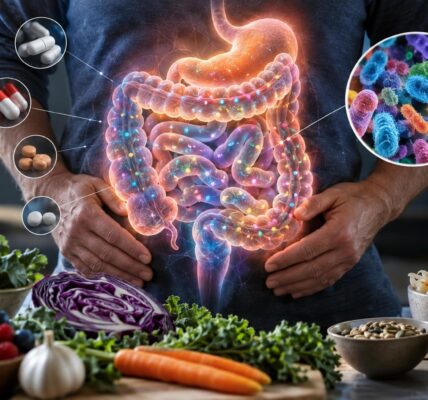
Heart Disease With Normal Cholesterol? 4 Tests to Ask About

A patient once sat across from me holding his lab report like a winning ticket. “My LDL is right where my doctor wants it,” he said with a smile. “So my heart is fine, right?” It was a fair question, and it is one I hear almost every week in my practice.
Here is the honest answer: a good LDL number is truly good news, but it may not be the whole story. Many people are surprised to learn that heart disease with normal cholesterol is possible. Researchers have long talked about “residual risk,” the risk that remains even after LDL, the so-called bad cholesterol, has been brought down.
Now a new human study from Chalmers University of Technology, the University of Gothenburg and Harvard, published in the European Heart Journal, offers fresh clues about where some of that leftover risk may come from. As ScienceDaily reported, two other kinds of fat-carrying particles in the blood appear to be linked with inflammation in the artery wall, not just cholesterol buildup.
Let me walk you through what the researchers found, why it matters, and the four blood tests worth discussing with your doctor at your next visit.
🔬 What the New Study Found
The research team used a tool called plasma proteomics. That simply means measuring a large number of proteins floating in the liquid part of your blood. In this case, they looked at nearly 3,000 proteins and compared those measurements with genetic information and long-term health records.
Their goal was to understand how three families of fat-carrying particles relate to heart disease. All three carry a protein called apolipoprotein B (apoB for short), which acts like a name tag on each particle.
The Three Particle Families
- LDL (low-density lipoprotein): the familiar “bad cholesterol” on your standard lipid panel.
- Triglyceride-rich lipoproteins (TRL): particles that mainly carry triglycerides, the most common type of fat in your blood.
- Lipoprotein(a), or Lp(a): a particle whose level is largely set by the genes you inherited.
Here is the surprising part. TRL and Lp(a) are different particles, yet the blood protein patterns linked to them overlapped a great deal. Those shared patterns were also linked to the later development of heart disease.
Even more interesting, TRL and Lp(a) were connected with proteins that can attract immune cells. That suggests these particles may promote inflammation and changes in the blood vessel wall, beyond simply depositing cholesterol there.
LDL showed a different picture. The proteins tied to LDL were mainly linked to cholesterol building up in the artery wall. So LDL still matters, but it may be playing a somewhat different role than the other two.
An Honest Look at the Limits
I always want you to know what kind of study you are reading about. This was an observational study in people, which means it found associations. It cannot prove that these particles cause heart disease.
The researchers were also clear that they did not test a new treatment, and they did not create a blood protein test ready for routine use in your doctor’s office. The press release did not report how many people were included. One study is never the final word, but this one adds an important piece to a growing puzzle.
Most importantly, senior author Clemens Wittenbecher emphasized that lowering LDL remains a cornerstone of prevention. This research does not replace that message. It adds to it by pointing to other processes that may explain some of the leftover risk. You can read the full paper in the European Heart Journal.
❤️ Why Heart Attack Risk Beyond LDL Cholesterol Matters
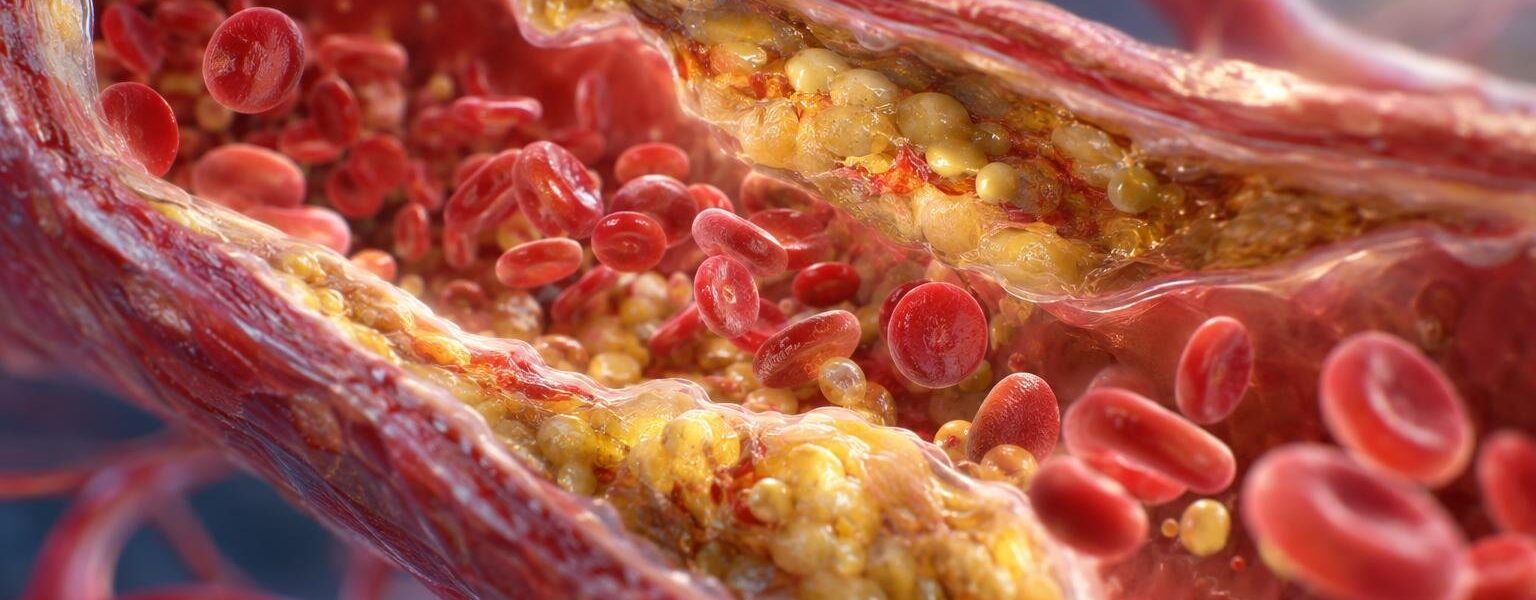
For decades, the conversation about heart health has focused on one number. But your arteries are living tissue, not plumbing pipes. What happens inside the artery wall involves fats, immune cells and inflammation all working together.
Think of it this way. LDL particles are a bit like trucks delivering cholesterol into the wall of a road. TRL and Lp(a), according to this research, may also act like alarm bells, calling immune cells to the scene. When immune cells keep gathering in one place, ongoing inflammation can follow, and that is not what you want in a blood vessel.
The same research group’s earlier work suggested that, particle for particle, each TRL or Lp(a) particle carries more risk than an LDL particle. That is one reason scientists now see these two particle types as major contributors to the risk that remains after LDL is lowered.
Recent Research
In an earlier study, the same team analyzed blood samples from over 200,000 UK Biobank participants with no prior heart disease, followed for up to 15 years. They found that apoB, which reflects the total number of “bad cholesterol” particles, was the best marker. They also said standard cholesterol tests may underestimate risk in about one in twelve patients. (SciTechDaily)
This fits with something I have seen for years. Plaque can build quietly, without symptoms, in people who feel perfectly well. If you would like to learn more about that, read my article on silent atherosclerosis and artery plaque.
🧪 Heart Disease With Normal Cholesterol: 4 Tests to Ask About
The good news is that you do not need a research lab to look beyond LDL. Several helpful blood tests already exist. According to the 2026 ACC/AHA cholesterol guideline, markers such as Lp(a), apoB, hsCRP and elevated triglycerides can help refine a person’s heart risk estimate.
Here are the four I encourage you to discuss with your doctor:
Lipoprotein(a) Test
Lp(a) is a genetic, independent risk factor. The American Heart Association recommends every adult be tested at least once, since a blood test is the only way to know your level.
ApoB Test
ApoB reflects the total number of potentially harmful particles, not just the cholesterol inside them. The Chalmers team found it was the best single marker in their large earlier study.
Triglycerides
This one is usually already on your standard lipid panel. High triglycerides can raise heart disease risk, and they often respond well to daily habits.
hsCRP
High-sensitivity C-reactive protein is a blood marker of inflammation in the body. It is one of the markers the 2026 guideline names as helpful for refining risk.
A Closer Look at the Lipoprotein(a) Test
Lp(a) deserves special attention because so many people have never had it checked. According to the American Heart Association, a high level (125 nmol/L or higher) can raise heart attack and stroke risk. The 2026 guideline notes that a high Lp(a) is associated with about a 1.4-fold higher long-term risk of heart attack or stroke.
Because Lp(a) is largely inherited, it usually needs to be measured only once in adulthood. If you have a family history of early heart disease, such as a parent or sibling who had a heart attack at a young age, this is an especially important conversation to have with your physician.
Some people also ask whether imaging can add to the picture. A coronary artery calcium scan looks directly for calcified plaque. I explain how it works in my article on the coronary artery calcium score.
Fast Fact
If you take a statin or another heart medication, please keep taking it exactly as prescribed. This research supports LDL lowering as a cornerstone of prevention. Any changes to your treatment should always come from your own doctor.
🥗 How to Lower Triglycerides Naturally
Let me be honest with you first. According to the American Heart Association, lifestyle changes do not lower Lp(a). That number is mostly written in your genes. But the same source says healthy habits do lower your overall heart and stroke risk, and that matters a great deal.
Triglycerides are a different story. They are one of the markers that tend to respond to the way you eat and move. The Mayo Clinic lists several practical levers, and they line up well with what I have taught patients for years.
Cut Sugar and Refined Carbs
Mayo Clinic advises avoiding sugar and refined carbohydrates. Swap sodas, sweets, white bread and pastries for vegetables, beans and whole foods.
Enjoy Fatty Fish
Salmon, tuna, herring and mackerel supply omega-3 fats. Mayo Clinic notes these do not lower LDL but can lower triglycerides and raise HDL, the “good” cholesterol.
Fill Up on Fiber
Fiber from oats, beans, lentils, apples, pears and vegetables helps lower cholesterol. It also keeps you satisfied, which makes it easier to skip refined snacks.
Move Every Day
Regular exercise is one of Mayo Clinic’s main triglyceride levers. A brisk walk after dinner is a wonderful place to start.
Trim Excess Calories
Extra calories your body does not need can be stored as triglycerides. Smaller portions and fewer evening snacks add up over time.
Limit Alcohol
Mayo Clinic lists limiting alcohol among the ways to help bring triglycerides down. Sparkling water with lemon or a cup of herbal tea makes a fine evening ritual.
Notice a pattern? Every one of these steps points toward the same way of eating I have recommended for years: whole, colorful foods, healthy fats like olive oil, fish, beans and vegetables, with very little sugar and white flour. It is simple, it is satisfying, and it is good stewardship of the body God gave you.
✦ Dr. Colbert’s Faith Perspective
Looking Beneath the Surface
When the prophet Samuel went to anoint Israel’s next king, he was impressed by outward appearance. God reminded him that He sees what lies beneath. In a small way, this research does the same thing: it looks past a single number on a lab report to what is happening inside the artery wall.
Scripture also tells us, “Keep your heart with all diligence, For out of it spring the issues of life” (Proverbs 4:23, NKJV). That verse speaks first to our spiritual heart, yet I believe it gently applies to our physical heart too. Your body is a temple of the Holy Spirit (1 Corinthians 6:19-20). Caring for it is not vanity or fear. It is grateful stewardship.
So ask the questions, get the tests your doctor recommends, and then rest in God’s peace. Knowledge is not meant to make us anxious. It is meant to help us walk wisely.
“For the LORD does not see as man sees; for man looks at the outward appearance, but the LORD looks at the heart.” (1 Samuel 16:7, NKJV)
“A good LDL number is a blessing, so celebrate it. Just don’t let one number keep you from asking the next question. Your heart deserves the whole picture.”
Dr. Don Colbert, MD
This is exactly why I wrote my newest book. Health is never about just one marker. It is about understanding a handful of key numbers, tracking them over time, and building daily habits that support all of them together.
From Dr. Colbert’s Bookshelf
Live Long and Strong
In Live Long and Strong: The Twelve Health Markers That Add Years to Your Life and Strength to Your Days, I walk you through the markers I believe matter most for a long, vibrant life. If this article has you thinking beyond a single cholesterol number, this book will help you understand the bigger picture, know what to track, and take practical, faith-filled steps toward strength in every season.
📋 Your Heart Health Action Plan
Here is what I would tell you if you were sitting in my office today:
- Celebrate a healthy LDL, and keep it there. The researchers stress that lowering LDL remains a cornerstone of prevention. If you take a medication for it, continue as your doctor prescribed.
- Ask about a lipoprotein(a) test. If you have never had one, ask whether it is right for you. It usually only needs to be done once in adulthood.
- Ask about an apoB test and hsCRP. These can help your doctor see particle numbers and inflammation that a standard panel may miss.
- Look closely at your triglycerides. This number is usually already on your lipid panel. Ask your doctor what yours means for you.
- Share your family history. If a parent or sibling had early heart disease, make sure your doctor knows. That context matters.
- Cut back on sugar and refined carbs this week. Start with one swap, such as replacing a sugary drink with water or tea.
- Put fatty fish on the menu. Salmon, mackerel, herring or tuna, a couple of times a week, is a delicious place to begin.
- Add fiber and daily movement. Beans, lentils, oats and vegetables at meals, plus a walk most days, support your whole cardiovascular system.
- Pray, then rest in peace. Bring your health before the Lord with gratitude, take your next wise step, and refuse to carry fear.
❓ Frequently Asked Questions
Can you have heart disease with normal cholesterol?
Yes, it is possible. Researchers call it residual risk, the risk that remains even after LDL is lowered. New research suggests triglyceride-rich particles and Lp(a) may be part of the reason, because they are linked with inflammation in the artery wall.
What is a lipoprotein(a) test, and who should get one?
It is a simple blood test that measures Lp(a), a particle whose level is mostly inherited. The American Heart Association recommends that every adult be tested at least once. People with a family history of early heart disease should especially ask their doctor about it.
What does an apoB test show that a regular cholesterol test does not?
A standard panel measures how much cholesterol is carried in your particles. An apoB test reflects the total number of potentially harmful particles. In a large earlier study, the Chalmers team found apoB was the best marker, and that standard tests may underestimate risk in about one in twelve patients.
Can diet and exercise lower Lp(a)?
According to the American Heart Association, lifestyle changes do not lower Lp(a), because it is largely genetic. However, healthy habits do lower your overall heart and stroke risk. That makes them worthwhile no matter what your Lp(a) number turns out to be.
How can I lower triglycerides naturally?
Mayo Clinic points to regular exercise, avoiding sugar and refined carbohydrates, cutting excess calories and limiting alcohol. Fatty fish like salmon and mackerel provide omega-3 fats that can help lower triglycerides. Talk with your doctor about what is right for you, especially if you have a diagnosed condition.
🌅 A Final Word
If your cholesterol report came back looking good, I want you to rejoice. That is a real accomplishment. At the same time, I want you to be a wise steward of the incredible heart God placed in your chest, which beats faithfully every moment of every day.
This new research reminds us that the heart’s story is written in more than one number. Ask your doctor about Lp(a), apoB, triglycerides and hsCRP. Fill your plate with fish, beans, vegetables and fiber. Go for that walk. And through it all, keep your heart, both physical and spiritual, with all diligence, trusting the One who made you fearfully and wonderfully.
Here’s to a long, strong and peaceful life.
Dr. Don Colbert, MD
Sources
- Why heart attacks can still happen even when bad cholesterol is low, ScienceDaily (source: Chalmers University of Technology), 2026
- Morze J, Björnson E, Wittenbecher C, et al. Apolipoprotein B-containing lipoproteins: distinct roles in atherosclerosis revealed by plasma proteomic profiling, European Heart Journal, 2026
- What Your Cholesterol Test Misses, and the New Blood Test That Could Save Your Heart, SciTechDaily / Chalmers University of Technology, 2025
- Lipoprotein(a), American Heart Association
- ACC/AHA Issue Updated Guideline for Managing Lipids, Cholesterol, American Heart Association Newsroom, 2026
- Triglycerides: Why do they matter?, Mayo Clinic
- Cholesterol: Top foods to improve your numbers, Mayo Clinic
Was this helpful?
Get Dr. Colbert's weekly health tips
Simple, faith-filled health tips in your inbox once a week. Plus a free gift: the 21-Day Keto Zone Challenge.
Unsubscribe anytime. We never share your email.
What stood out to you most, and have you tried any of this yourself?
Tell us on Facebook