
The Glymphatic System Slows After 60: 6 Ways to Guard Deep Sleep

Picture a busy city at 2 a.m. The traffic has stopped, the shops are dark, and quiet crews roll through the streets, washing away the day’s trash so the city wakes up clean. Your brain has a night shift a lot like that. Scientists call it the glymphatic system, and the glymphatic system sleep connection is one of the most fascinating discoveries in brain science of the last generation.
Here is the short version. While you are in deep sleep, slow brain waves and gentle pulses in your blood vessels help push waves of fluid through the brain. That fluid is called cerebrospinal fluid, or CSF, the clear liquid that bathes the brain and spinal cord and helps carry waste away.
Now researchers at MIT and Boston University have watched this happen in real sleeping people, and they found something every adult over 40 should hear. As ScienceDaily reported, those nighttime fluid waves are much weaker in healthy adults over 60 than in young adults. But there is a hopeful twist I will share with you, because not every older brain followed the trend.
🔬 What the New Glymphatic System Sleep Study Found
The study, published in Nature Aging, used two tools at the same time while volunteers slept. One was EEG (electroencephalography), which reads the brain’s electrical waves through sensors on the scalp. The other was a fast form of fMRI (functional magnetic resonance imaging), which can track blood flow and the movement of fluid inside the brain.
The nighttime sleep analysis included 31 young adults, ages 18 to 39 (average age 24), and 41 older adults, ages 60 to 83 (average age 69). A larger group of 31 young and 55 older adults also did daytime tests of their blood vessels. Everyone was screened carefully: no neurological or psychiatric disorder, no memory problems, no sleep disorder, no sleep aids, and no heavy caffeine habit.
When the young adults drifted into non-REM sleep (the stages of sleep without rapid eye movement, which include our deepest sleep), their brains showed large, slow waves of CSF flowing in and out. In the older adults, those waves were much smaller on average. From waking to sleep, CSF flow power rose by 3.82 dB in the young group but only 1.15 dB in the older group. (A decibel, or dB, is simply a way of measuring how strong a signal is.) The researchers found no significant rise at all in the older group.
That age gap showed up in every stage of non-REM sleep: N1, N2 and N3. It was not explained by differences in heart rate, breathing rate or the size of the fluid-filled space at the base of the brain called the fourth ventricle.
The Hopeful Finding
Not every older adult declined. Some volunteers in their 60s, 70s and 80s had CSF flow in the same range as healthy young adults. Senior author Laura Lewis said her team now wants to learn what is different about those people.
Two reasons the waves weakened
The researchers traced the change to two sources. First, older adults had weaker EEG slow waves, the big, rolling brain waves of deep sleep. Second, their blood vessels responded more weakly. During sleep, blood flow waves rose by 3.67 dB in young adults but only 2.15 dB in older adults.
The daytime tests backed this up. When volunteers looked at a flickering checkerboard, older brains made a normal electrical response, but the blood flow that should follow was smaller. Scientists call this link between brain activity and blood flow neurovascular coupling. In a breath-hold test of how well brain vessels widen (called cerebrovascular reactivity), older adults also scored lower.
Here is the part that caught my attention. Older adults whose blood vessels responded more weakly during the day also tended to have weaker CSF waves at night. And less gray matter in the front of the brain was linked to weaker sleep CSF flow, although the researchers are clear that this does not prove one causes the other.
What this study cannot tell us
I always want you to know how strong the evidence is, so let me be plain. This was a small study in people, comparing two age groups at a single point in time. It did not test any treatment, diet, exercise plan or supplement. It also did not measure how much waste was actually cleared, and the authors say the real effect on waste clearance is not yet established.
The sleep was measured inside an MRI scanner during short, nap-like windows, not a full night at home. Nobody in the study had a diagnosed brain disease, so it cannot show that weaker CSF waves cause dementia. The authors also note that their two explanations covered much, but not all, of the age difference, and that things they did not measure, such as blood pressure, hydration, past sleep loss and genetics, may also matter. One study is never the final word, but this one gives us an important new piece of the puzzle.
🧠 Why Brain Cleaning During Sleep Matters
Your brain is one of the busiest organs you have, and busy cells make waste. A review in PubMed Central explains that the glymphatic system is most active during slow wave sleep, the N3 stage we call deep sleep. The same review notes that this system seems to become less effective with age, which may contribute to waste buildup, and that poor sleep can get in the way of clearing metabolic waste such as beta-amyloid (a protein that researchers study closely in memory decline).
Think of it like the tide. Slow brain waves set the rhythm. Blood vessels swell and relax with that rhythm. As blood moves out, fluid moves in, and the fluid sweeps through and carries waste with it. When the waves are strong and the vessels are flexible and responsive, the tide runs well. When either one weakens, the tide gets smaller.
That is why this research brings together two things I have talked about with patients for decades: deep sleep and healthy blood vessels. The authors’ own research briefing in Nature Aging says the drop in CSF flow comes through two routes, disrupted sleep and weaker blood vessel function. To me, that is good news. It means there is more than one place where healthy daily habits may lend a hand.
In my practice I often see adults in their 50s and 60s who quietly accept poor sleep as part of getting older. They treat it as an inconvenience. I treat it as a vital sign. If you have read my article on how sleep loss affects brain health, you know I believe deep sleep is one of the most underrated gifts we can give our minds.
Recent Research
A review in PubMed Central lists adequate sleep (especially the deep non-REM stages) and blood pressure control among the factors that support normal brain clearance. It also points to diet and vascular health, the same factors long tied to brain longevity.
🌙 How to Improve Deep Sleep After 50: 6 Natural Ways
No one has yet tested whether lifestyle changes can bring back youthful CSF waves in older adults. So I will not promise you that. What I can offer are sensible, time-tested habits that support deep sleep and healthy blood vessels, the two pathways this study identified. These are the same steps I recommend to my own patients.
1. Move Your Body Every Day
A 2026 review of animal and human studies found exercise may support several processes tied to glymphatic function, including lower blood pressure, less vessel stiffness, less brain inflammation and better deep sleep. The best type and amount are still unknown, so choose movement you enjoy and will keep doing.
2. Know and Guard Your Blood Pressure
Blood pressure control appears on the list of factors that support normal brain clearance. Check your numbers, review them with your doctor, and keep taking any prescribed medication exactly as directed.
3. Keep a Steady Bedtime
Your body loves rhythm. Going to bed and rising at about the same time each day helps protect the deep, slow wave sleep when this nightly cleanup is most active.
4. Create a Calm Evening
Swap late night scrolling and stressful news for dim lights, a warm shower, prayer and a few lines in a gratitude journal. A quiet mind settles more easily into deep sleep.
5. Eat for Your Blood Vessels
Research reviews tie diet and vascular health to brain clearance. A Mediterranean style plate of vegetables, berries, olive oil, nuts, beans and fish is a simple way to care for the vessels that help drive the fluid waves.
6. Get Sleep Problems Checked
If you snore loudly, stop breathing at night, struggle with ongoing insomnia or take sleep medication, talk with your doctor before changing anything. Hidden sleep problems can rob you of deep sleep night after night.
A word about movement. You do not need a gym membership to start. A daily walk counts, and I have written about how daily steps connect to brain health. If you want a simple, low-impact way to care for your blood vessels at home, my article on wall squats and blood pressure is a good place to begin. Just check with your doctor first if you have a heart condition or joint problems.
A word about worry, too. Many of my patients lie awake replaying the day. Scripture gives us a better pattern: “casting all your care upon Him, for He cares for you” (1 Peter 5:7, NKJV). Handing your burdens to God at bedtime is not wishful thinking. It is an act of trust, and it is one of the most practical sleep habits I know.
✦ Dr. Colbert’s Faith Perspective
Sleep Is a Gift, Not Wasted Time
Our culture often treats sleep as lost time, something to cut when life gets busy. Scripture sees it very differently. Psalm 127:2 says, “It is vain for you to rise up early, to sit up late, to eat the bread of sorrows; for so He gives His beloved sleep.” Sleep is a gift from a loving Father.
When I read about this nightly cleanup in the brain, I am reminded that we are fearfully and wonderfully made (Psalm 139:14). Our Creator built renewal right into the rhythm of every night. Our part is to steward that gift, to honor the body as a temple (1 Corinthians 6:19 to 20) by guarding our rest, moving our bodies and caring for the vessels He designed. Tonight, before you turn out the light, try thanking God for three things from your day and then lying down in His peace.
“I will both lie down in peace, and sleep; for You alone, O LORD, make me dwell in safety.” (Psalm 4:8, NKJV)
“Your brain does some of its most important work while you are not doing anything at all. Protecting your deep sleep is not laziness. It is wisdom, and it is stewardship.”
Dr. Don Colbert, MD
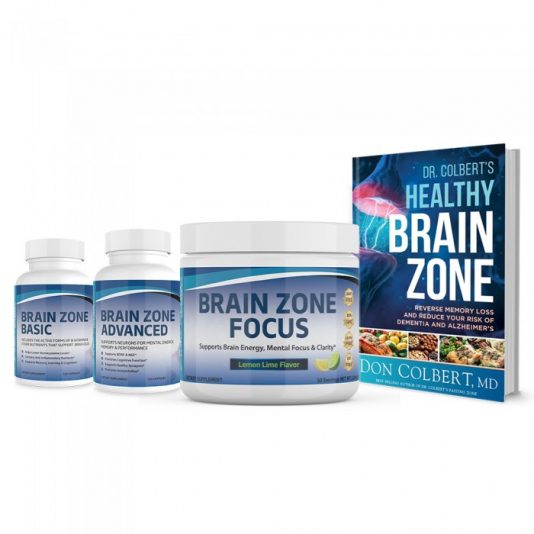
If this topic speaks to you, I go much deeper into protecting memory as we age in my book Dr. Colbert’s Healthy Brain Zone. In it I explain how sleep, movement, blood vessel health and nutrition work together to support a sharp, resilient mind for years to come.
From Dr. Colbert’s Bookshelf
Dr. Colbert’s Healthy Brain Zone
This study shows that deep sleep and healthy blood vessels are deeply connected to how the aging brain cares for itself. In Healthy Brain Zone, I walk you through practical, faith-filled steps for brain aging and memory, from restful sleep and daily movement to brain-friendly eating and caring for your circulation, along with what I have learned in more than 30 years of practice about lowering dementia risk.
📋 Your Deep Sleep and Brain Health Action Plan
Here is what I tell my patients who want to start this week. Pick two or three steps, master them, then add more.
- Set a bedtime and a wake time. Choose times you can keep seven days a week, and protect them as you would an important appointment.
- Walk most days. Start where you are, even 10 minutes, and build gradually. Daytime movement supports your vessels and may support deeper sleep.
- Learn your blood pressure numbers. Have them checked, write them down and talk with your doctor about your goals. Never stop or change a medication on your own.
- Build a 30 minute wind-down. Dim the lights, set the phone aside, read Scripture, pray and give your worries to God.
- Fill your plate with color. Vegetables, berries, olive oil, nuts and fish are simple choices that care for your blood vessels.
- Notice how you sleep. Ask your spouse whether you snore or pause breathing, and pay attention to how rested you feel in the morning.
- Talk with your doctor about sleep problems. Loud snoring, breathing pauses, ongoing insomnia or sleep medication questions all deserve a professional conversation.
❓ Frequently Asked Questions
What is the glymphatic system?
The glymphatic system is the brain’s waste-clearing network, in which cerebrospinal fluid flows through brain tissue and helps carry metabolic waste away. Research reviews show it is most active during deep, slow wave sleep. That is one reason quality sleep matters so much for long-term brain health.
Does this study mean poor sleep causes dementia?
No. This was a small observational study of healthy volunteers, and none had a neurodegenerative diagnosis. It shows that sleep-related fluid waves are weaker on average in older adults, but it cannot show cause and effect. Researchers are still investigating how sleep and dementia risk are connected.
Can exercise help my brain clean itself at night?
A 2026 review of animal and human studies found that exercise may support several processes linked to glymphatic function, including healthier blood pressure, more flexible vessels and better deep sleep. It is promising but not proven, and the best type and amount of exercise are still unknown. Regular, enjoyable movement is a wise step for overall health regardless.
Do sound machines or pink noise boost brain cleaning?
The MIT lab reported that short bursts of “pink noise” during sleep increased CSF flow in younger adults, but it has not tested this in older adults. The senior author has also disclosed patent applications and a company related to CSF flow. For now, I would focus on proven sleep basics and talk with your doctor about any sleep concerns.
Is it normal to sleep less deeply as I get older?
Changes in sleep are common with age, and this study found weaker slow brain waves in older adults on average. But some older volunteers kept youthful-strength fluid waves, so decline is not a given. If your sleep has changed noticeably, it is worth a conversation with your physician.
🌅 A Final Word of Hope
What encourages me most about this research is not the decline. It is the exceptions. Somewhere in that group of healthy adults in their 60s, 70s and 80s were brains still running a strong, youthful night shift. Scientists are now asking what makes those people different, and I suspect part of the answer will involve the everyday choices we make about rest, movement and caring for our blood vessels.
You cannot control your age, but you can steward the body God gave you, one evening at a time. Guard your bedtime. Walk in the daylight. Care for your heart and vessels. And when you lie down tonight, lay your worries at the feet of the One who never sleeps, so that you can.
Blessings to you,
Dr. Don Colbert, MD
Sources
- MIT discovers that aging weakens the brain’s nighttime cleaning system, ScienceDaily, 2026
- Bailes SM, Williams SD, Ashenagar B, et al., Lewis LD. The aging human brain exhibits reduced hemodynamic and cerebrospinal fluid flow waves during sleep, Nature Aging, 2026
- Aging disrupts sleep-driven brain fluid flow (Research Briefing), Nature Aging, 2026
- Waves that clear waste from the brain during sleep are impaired in older adults, EurekAlert / MIT, 2026
- Exercise may help the aging brain “take out the trash” (summary of Broatch et al., Trends in Neurosciences), ScienceDaily / Victoria University, 2026
- Achieving brain clearance and preventing neurodegenerative diseases: a glymphatic perspective, PubMed Central (NIH/NLM)
- The Dynamic Relationship between the Glymphatic System, Aging, Memory, and Sleep, PubMed Central (NIH/NLM)
Was this helpful?
Get Dr. Colbert's weekly health tips
Simple, faith-filled health tips in your inbox once a week. Plus a free gift: the 21-Day Keto Zone Challenge.
Unsubscribe anytime. We never share your email.
What stood out to you most, and have you tried any of this yourself?
Tell us on Facebook