

Last reviewed and updated: October 17, 2026
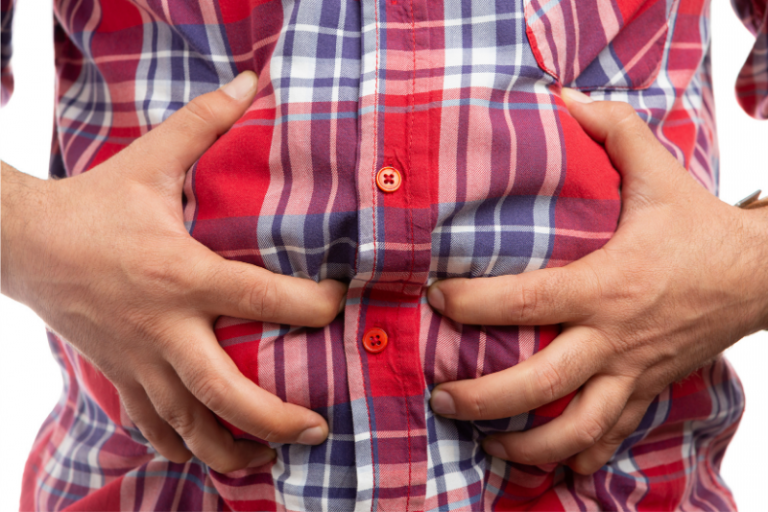
By now, you’ve surely heard that many human health ailments begin in the digestive tract. They can stem from digestive issues, and they can become more inflamed due to digestive inflammation. But, there is good news. The digestive tract, which holds the majority of the body’s immune components, can also fight these ailments if it’s healthy. In fact, you can fortify your digestive tract to fight better each day by taking probiotics.
The Issue with Taking Probiotics
Ready to start taking probiotics?
Not so fast.
There are also major issues with many probiotics supplements. In fact, some probiotics do not live through digestion, do not remain viable in the small intestine, do not adhere to the mucosa, and do not become an established working part of the native microbiota. They often contain few strains that have been proven to help human health.
What a waste of time and money!
It’s vital to know which probiotic strains actually help human health, and which formulations work best to deliver the probiotics into the gut while they are still viable.
Amazing Probiotic Strains for Human Health
Again, not all strains of probiotic bacteria are equal. Some bacteria strains can cause damage, some are neutral, and some are amazing allies to digestive health and whole body health.
A few great probiotic strains you’ve maybe never heard of include:
Bacillus Coagulans
Bacillus coagulans is a hardy, spore-forming bacterium that produces lactic acid. Its protective spore coat helps it survive stomach acid on the way to your intestines, and it is found in some fermented foods and in many probiotic supplements.
Amazingly, studies have found that bacillus coagulans significantly improve symptoms of digestive ailments, including abdominal pain, diarrhea, flatulence, abdominal distention, and constipation in those who suffer from them (1, 2).
They also affect joints. One study analyzed B. coagulans‘ effect on inflammation in the joints of participants with arthritic symptoms. The researchers found that participants who took B. coagulans reported less disability, an improved ability to participate in daily activities like long walks, and reduced C-reactive protein (CRP, a marker of inflammation) (3).
Lastly, B. coagulans may also support immune function. One small study found increased T cell production (immune cells) in participants responding to influenza A and adenovirus when taking B. coagulans. This displays an upregulation in immune system effectiveness (4).
Bacillus Subtilis
Like B. coagulans, Bacillus subtilis strains may significantly decrease inflammation in the body. In fact, under inflammatory conditions, B. subtilis has significantly reduced the inflammatory protein production in the intestines in research. Data supports Bacillus-based probiotics, like B. subtilis strains, can improve digestive health by strengthening intestinal barrier and limiting inflammatory responses (5).
Lactobacillus Plantarum (N13)
Another amazing and effective probiotic strain is Lactobacillus plantarum. It is a widespread species of lactic acid bacteria, and it is commonly found in fermented plant products such as sauerkraut, pickles, brined olives, and Korean kimchi.
Specifically, L. plantarum is an antioxidant probiotic that fights cell overgrowth, inflammatory responses, fat gain, and unhealthy glucose levels (6).
What’s more, L. plantarum is able to produce B-group vitamins including riboflavin and folate in the human body (7). It also supports digestion by increasing absorption of minerals including iron and calcium (8, 9, 10). Lastly, L. plantarum has been found to improve diarrhea, including traveler’s diarrhea and antibiotic-associated diarrhea (11, 12).
But L. plantarum doesn’t stop there. It can actually affect skin health and aging skin. In clinical trials, L. plantarum significantly increased the skin water content in the face and hands, and participants experienced a significant reduction in wrinkle depth and appearance in 12 weeks. What’s more, skin elasticity in the probiotic participants improved by 13.17% after 4 weeks and by 21.73% after 12 weeks (13). How?
When taken as a probiotic, L. plantarum improves skin hydration, has anti-photoaging (sun) effects, and inhibits the degradation of collagen in human skin (14, 15, 16). Lastly, it improves skin appearance by alleviating symptoms of skin inflammation in humans (17).
As if that wasn’t enough, many studies show that L. plantarum supports healthy cholesterol levels, triglycerides, and blood sugars. In one study, supplementation with it reduced total cholesterol by 13.6% after 12 weeks (18)!
Bifidobacterium Breve (BBr60)
Bifidobacterium breve is a beneficial bacteria found in human breast milk and the gastrointestinal tracts of infant and adult humans. As an individual ages, however, the total population of B. breve in their gut decreases (19).
When taken as a supplement, B. breve can affect skin health by increasing skin hydration (20, 21) and reducing the appearance of skin damage from UV exposure (22, 23, 24).
Next, B. breve may reduce eczema symptoms, skin inflammation (25), and allergic rhinitis by reducing the inflammatory response to allergens (26).
Then, B. breve supports digestive health by promoting the viability of Bifidobacteria and the formation of normal intestinal flora, reducing severity of diarrhea, and alleviating abdominal pain and constipation, as shown in human and animal studies (27, 28, 29).
Bifidobacterium Lactis
Bifidobacterium Lactis is another probiotic found in the large intestine of humans and other mammals. This one’s likely on your radar; in fact, Bifidobacterium Lactis is one of the world’s most documented probiotics.
B. lactis is extremely versatile and beneficial. In fact, it supports:
- Gut mucosa health
- Reduced pathogens
- Intestinal barrier function
- Immune function
Researchers have found that B. Lactis can decrease gastrointestinal discomfort (30), improve oral health(31), support healthy weights (32), decrease antibiotic-related diarrhea (33), and improve immune response (34).
More to Consider When Taking Probiotics
Now you know. There’s more to it than just picking up a generic probiotic supplement at your grocer. Some strains really promote human health.
What’s more, some probiotics formulations go beyond the strains of bacteria. They:
- Have been extensively studied to remain viable, incorporate into the microbiota, proliferate, and impact health in humans.
- Functionally improve the structure, communication, and health of gut cells.
- Support brain health by reducing inflammation and encouraging healthy brain-gut axis communication and interaction.
- Thrive in the intestines partly because they also contain prebiotic fiber such as fructooligosaccharides (FOS) and galactooligosaccharides (GOS).
- Fight pathogens from spoiled foods, viruses and bacteria to promote year-round health.
How to Take Probiotics the Right Way
Even the best probiotic only works if you take it well. Here is what I recommend:
- Take it with or just before a meal. In a model of the human digestive tract, probiotic bacteria survived best when taken with a meal or up to 30 minutes before a meal containing some fat.
- Be consistent. Most probiotic strains do not set up permanent residence, so daily use matters.
- Feed the good bacteria. Prebiotic fiber from vegetables, flaxseed, and a fiber supplement such as Fiber Zone helps beneficial bacteria thrive.
- Space it from antibiotics. Take your probiotic at least two hours apart from each antibiotic dose.
- Store it as directed. Heat and moisture can reduce the number of live bacteria, so check the label and the expiration date.
- Check with your doctor first if you are critically ill, have a severely weakened immune system, or have a central IV line.
Watch: Dr. Colbert on Healing Your Gut Lining
In this episode, Mary and I talk about the everyday things that damage your gut lining, from antibiotics and NSAIDs to processed carbs, the gut tests I use with patients, and my own daily gut repair routine, including the probiotic I take each morning.
Ready to Start Taking Probiotics?
As with all Divine Health supplements, Dr. Colbert has gone through the painstaking process of developing a probiotic supplement he believes will help people the most. It contains each of these bacteria strains and is formulated to survive digestion and support health throughout the body.
Now, you can try it for yourself and buy Divine Health Biotics!
If you are looking to support your gut health, skin health, brain health, and heart health, this is a great option for you.
Bottom Line
Don’t waste your time and money. If you are already taking probiotics, make sure they are up to par. If you are looking for one, check out Divine Health Biotics. It can make a huge difference in your health, from your gut to your brain to everywhere else, starting today!
Frequently Asked Questions
What is the best time of day to take a probiotic?
Consistency matters most, but research using a model of the human digestive tract found that probiotic bacteria survived best when taken with a meal or up to 30 minutes before a meal that contains some fat. Many people simply take theirs with breakfast. Follow the directions on your product label.
How long does it take for probiotics to work?
Some people notice less bloating or more regular bowel movements within a few days to two weeks. Benefits for skin, cholesterol, or immune health were measured in studies over 8 to 12 weeks. Give a quality probiotic at least a month of daily use before judging it.
Can probiotics cause gas or bloating at first?
Yes. Mild gas or bloating in the first week or two is common as your gut bacteria adjust, especially with formulas that include prebiotic fiber. Starting with a lower dose and taking it with food usually helps. If symptoms are severe or do not settle, stop and talk with your doctor.
Should I take probiotics while on antibiotics?
Probiotics may help reduce antibiotic-associated diarrhea. Take your probiotic at least two hours apart from each antibiotic dose and continue it for a few weeks after the antibiotic course ends. Check with your doctor or pharmacist first.
Who should avoid probiotics?
Probiotics are safe for most healthy people. People who are critically ill, have a severely weakened immune system, have a central IV line, or are recovering from major surgery should talk with their doctor before taking them, because rare but serious infections have been reported in these groups. Premature infants should only receive probiotics under medical supervision.
References
- NIH Office of Dietary Supplements. Probiotics: Fact Sheet for Health Professionals.
- Mandel DR, Eichas K, Holmes J. Bacillus coagulans: a viable adjunct therapy for relieving symptoms of rheumatoid arthritis according to a randomized, controlled trial. BMC Complement Altern Med. 2010.
- Lee DE, et al. Clinical Evidence of Effects of Lactobacillus plantarum HY7714 on Skin Aging: A Randomized, Double Blind, Placebo-Controlled Study. J Microbiol Biotechnol. 2015.
- Tompkins TA, Mainville I, Arcand Y. The impact of meals on a probiotic during transit through a model of the human upper gastrointestinal tract. Benef Microbes. 2011.
This article is for educational purposes only and is not medical advice. Talk with your own doctor before changing your diet, starting a supplement, or changing any medication. These statements have not been evaluated by the Food and Drug Administration. Products mentioned are not intended to diagnose, treat, cure, or prevent any disease.
Was this helpful?
Get Dr. Colbert's weekly health tips
Simple, faith-filled health tips in your inbox once a week. Plus a free gift: the 21-Day Keto Zone Challenge.
Unsubscribe anytime. We never share your email.
What stood out to you most, and have you tried any of this yourself?
Tell us on Facebook