Think you’re getting enough fiber? You may be. However, many adults do not get enough. In fact, there are surprising signs you need more fiber, and these signs crop up in systems outside your digestive system!
Your brain, bones, heart, and metabolism may be alerting you to your need for more fiber.
Are you getting enough fiber? If you’ve cut down on carbohydrates in the Keto Zone, you need to be more proactive to add fiber back into your diet.
Here’s an explanation of healthy fibers, surprising signs you need more fiber, and 3 easy hacks to do so.
2 Healthy Types of Fiber
The first healthy type of fiber is inulin. Inulin is a prebiotic fiber, meaning it feeds the healthy bacteria and cells in our digestive tracts. Healthy bacteria, whether already in the gut or consumed via foods or probiotic supplements, need a food source to proliferate.
In nature, inulin is found in many plants, like chicory root. Inulin is made up of fructose molecules linked by bonds human digestive tracts can’t break down and digest. In this way, it’s not a nutritive carbohydrate or calorie. Instead, inulin is consumed by healthy bacteria and converted into a short-chain fatty acid that further nourishes colon cells (1).
Next, there’s psyllium husk. Psyllium husk is made of both soluble (70%) and insoluble fibers (30%). This means twice the benefits.
Similar to inulin, the soluble fiber acts as a prebiotic, to feed and fortify healthy gut bacteria. The insoluble fiber passes through the digestive tract, mostly intact. It provides bulk and softness to stools, subtle laxative effects, and can improve digestive health, in addition to other benefits of fiber.
How can you get both types while adding more fiber to your diet? Divine Health Fiber Zone contains both!
10 Surprising Signs You Need More Fiber
1. You Have A Hard Time Losing Weight
If you’re trying to obtain a healthy weight but you’re struggling, you may need more fiber. Multiple studies show that increased intakes of inulin and psyllium husk can reduce caloric intake and promote weight changes (2, 3).
2. Your Appetite is Rarely Satisfied
Feel hungry right after you eat? More fiber can help!
In fact, one study found that consuming increased amounts of inulin fiber resulted in a 2 pound weight loss while the control group gained 1 pound. While consuming 21 grams of inulin per day, this inulin group experienced a decreased appetite, lower hunger-hormone levels, and increased fullness (4).
3. Blood Sugars are Climbing or Remaining Too High
Did your last check-up show elevated blood sugars? Especially if you’ve had a history of this issue, several studies on inulin and psyllium husk suggest a diet high in fiber may help optimize blood sugars (5, 6, 7, 8).
How?
First, as a fiber, it slows digestion to reduce blood sugar spikes.
Second, it has been shown to actually decrease fat in the livers of people with prediabetes (9). Reducing liver fat can reduce insulin resistance and may help reverse elevated blood sugars (10).
What’s more, another study showed that 10 grams of high-performance inulin per day reduced fasting blood by an average of 8.5% and hemoglobin A1C (HgbA1C) by an average of 10.5% (11).
4. Digestion is Typically Uncomfortable
The level of comfort you experience after eating a meal is largely dependent on the health of your digestive tract, and specifically, the health of the healthy bacteria that reside there. If you typically feel bloated, it may be a sign you need more fiber, especially inulin and psyllium husk.
Both inulin and psyllium husk stimulate the growth of beneficial bacteria. When these bacteria proliferate, yeast overgrowth is inhibited, digestion improves, and the immune function benefits (12, 13).
5. Your Experience Constipation and/or Loose Stools
Is your digestion “regular?” Or you fluctuate between constipation and/or loose stools?
If the latter, it’s likely a sign to increase inulin and psyllium husk. These fibers are known to decrease constipation, hemorrhoids, loose stools, and other digestion issues.
How can they possibly fix both these issues?
First, Inulin relieves constipation with soluble fibers; Psyllium does so with both soluble and insoluble fibers. For example, one 4-week study found that 15 grams of inulin per day improved constipation in older adults (14).Psyllium husk softens stools and increases stool bulk to reduce constipation and hemorrhoids.
If you’re worried, they’d actually create diarrhea, don’t. The fibers absorb water, thereby reducing diarrhea and increasing stool softness and bulk of stools (15, 16).
6. You Have High Triglyceride and Cholesterol Levels
That last check-up; did you also see unhealthy triglyceride or cholesterol levels?
You may need more fiber, a proven cholesterol reducer.
One study concluded that 6 weeks of psyllium intake resulted in lower cholesterol in obese and overweight participants (15). What’s more, another study confirmed that 5 grams of psyllium three times daily for six weeks reduced triglycerides by 26%, compared to the placebo (17).
7. You Experience Brain Fog or Decreasing Alertness
Do you experience brain fog and lack of alertness? If you want a healthy brain, you cannot ignore gut health. In fact, your digestive health has direct implications for your brain health. Amazingly, it’s now known that (18):
- Gut inflammation promotes brain inflammation and declining function
- An unhealthy digestive tract promotes illness in other parts of the body
- Healing your gut can reduce brain fog, increase alertness, support youthful memory, and energize the body and brain
- Immune function is dependent on a healthy digestive tract
Healthy digestion is first responsible for nourishing your body, from your hair to your toes. Beyond the nourishment, there is an incredible gut-brain connection that impacts your brain health directly. When you consume more fiber, you’ll support digestive health, and you may be able to resolve brain fog and lack of alertness.
8. Poor Bone Health
Any signs of declining bone health?
Bone health depends on the efficient absorption of minerals, including calcium and magnesium. Lab studies have found inulin improves the absorption of both, resulting in improved bone density (19, 20).
What’s more, studies of children (ages 9-13) have shown better calcium absorption and bone mineralization when taking inulin (19, 20).
9. Unhealthy Blood Pressure
If your blood pressure is climbing, you may need more fiber.
Studies have shown that psyllium husk can reduce blood pressure. In fact, one study showed a diet with an additional 12 grams of fiber from psyllium reduced systolic blood pressure by 5.9 mm mercury in 36 participants with high blood pressure (21).
10. Increased Risk of an Unhealthy Colon
Is your doctor worried that your colon may be unhealthy? Studies have long supported inulin as an anti-colon cancer agent.
A review of 12 animal studies found that 88% of the groups given inulin saw a reduction in precancerous colon growths (22). In terms of human studies, one promising experiment showed that inulin caused the colon environment to be less favorable for cancer cells (23).
Are Inulin and Psyllium Husk Safe?
The safety of inulin and psyllium husk has been studied extensively.
For most people, it’s completely safe.
For those who have experienced small intestinal bacterial overgrowth, there may be side effects. Also rarely, those allergic to ragweed may experience worsening symptoms from inulin (24).
Overall, they are both extremely safe and beneficial in reasonable doses.
5 Easy Hacks to Get More Fiber
What are your results? Is your body giving you any surprising signs you need more fiber? If so, you can get more with these 3 hacks:
- Add Divine Health Fiber Zone every day.
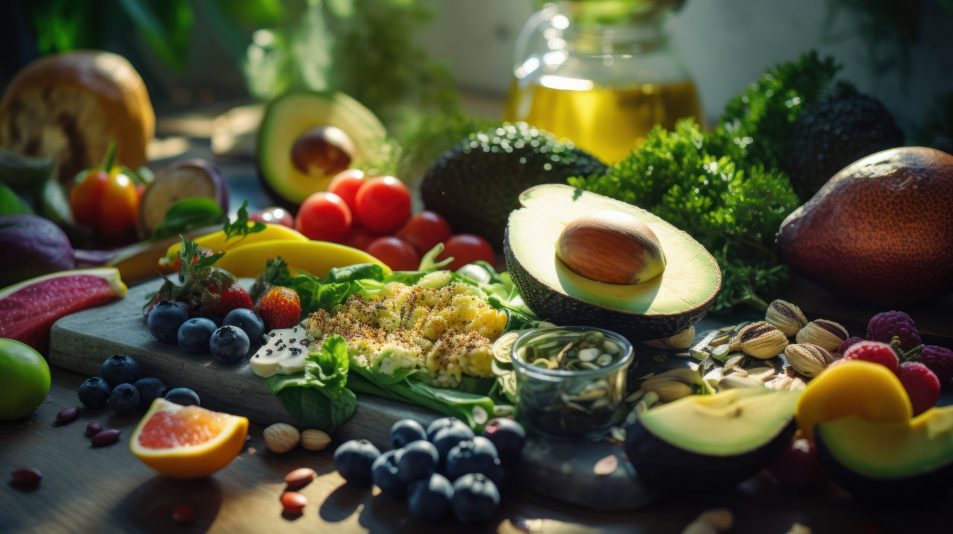
- Include a ton of vegetables, such as leafy greens, in your Beyond Keto lifestyle. Eat them with at least 2 meals per day.
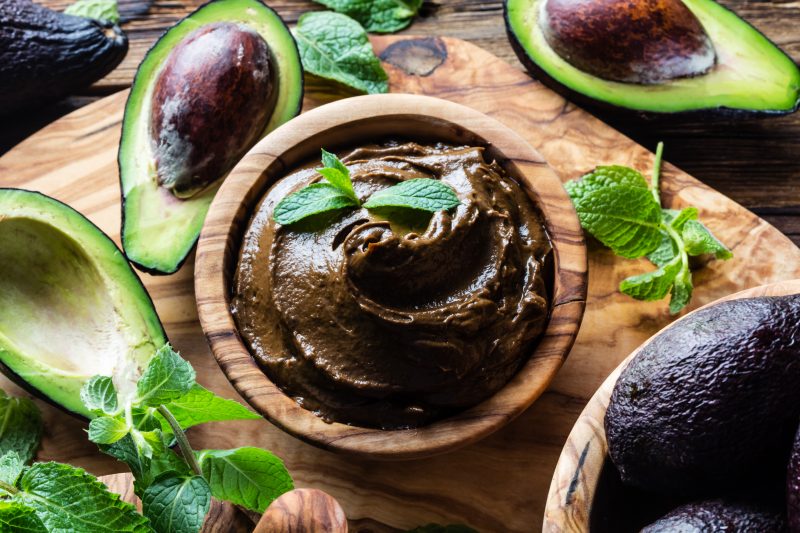
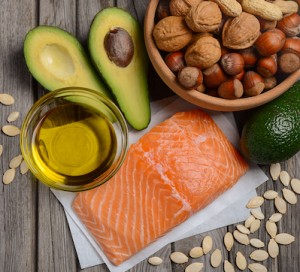
- Eat one avocado per day. Not only is it an excellent source of fiber, it fits perfectly into the Beyond Keto lifestyle.
- When you want a fruit, add a small amount of berries to your diet. They add fiber!
- Include high fiber healthy foods such as chia seed, flaxseed, and hemp hearts every day. You can add them to smoothies, baked goods, and more. Not only are they high in healthy fibers, they also contain healthy fats, vitamins, and minerals.
Bottom Line
When it comes to fiber, your body may tell you that you need more. However, since many of the signs are outside of digestion, they may be surprising! Pay attention to your whole-body health and any signs you need more fiber. Then, use our easy hacks to get more fiber while enjoying your Beyond Keto lifestyle!