
How Much Protein Per Day After 40? A Surprising New Answer

Walk down any grocery aisle today and you will see it: protein cereal, protein coffee, protein chips, even protein water. It feels as if the whole country has decided that more protein is always better. In my practice, patients now ask me one question more than almost any other: how much protein per day do I really need?
That is a wise question, and new research makes it even more important. A major review from the University of Wisconsin-Madison pulled together more than 350 studies on protein and aging. As ScienceDaily reported, the researchers found that eating less protein slowed aging in many animal studies, and they suggest that many less active adults may be eating more protein than they need.
Before you push your eggs and salmon off the plate, though, stay with me. The full story is more balanced, and frankly more hopeful, than the headline. The right amount of protein for you depends largely on how active you are, and for most of us over 40, the real goal is to earn our protein with movement and to get it from wholesome food God created.
🔬 What the 350-Study Review on Protein and Aging Found
The paper, written by Bailey Knopf and Dudley Lamming of the University of Wisconsin-Madison, was published on July 31, 2026, in the journal Cell Press Blue. It is important to understand what kind of study this is. It is a narrative review, which means the authors read and summarized a large body of existing research. It is not a new trial in people, and it is not a meta-analysis that pools numbers from many studies into one statistical result.
Most of the 350+ papers they reviewed were done in yeast, fruit flies, fish and rodents. Only a handful of early human trials were included. Still, the researchers noticed the same biological themes showing up again and again. According to the original ScienceDaily coverage, protein restriction appeared to:
- Improve metabolic function (how efficiently the body handles fuel)
- Change how cells sense nutrients
- Limit cellular damage
- Help cells keep working properly as they age
In flies and rodents, limiting protein increased lifespan even when total calories stayed the same. That detail matters, because it suggests the effect was not simply from eating less food overall. Medscape added that in animal models, restricting protein or specific amino acids also reduced age-related frailty.
What about people?
Several recent human trials found that people who cut back on protein lost weight, lost body fat and improved their fasting blood sugar, even while eating more calories overall. That is interesting. But ScienceDaily states plainly that this does not show that eating less protein extends human lifespan. Those were short trials looking at markers, not at how long people lived.
The honest limitations
I always want you to hear the other side of a study, and other scientists were quick to offer it. Paul Greenhaff, a muscle metabolism professor at the University of Nottingham, said the review did not answer whether protein restriction improves healthy aging or longevity in humans, as reported by International Business Times Australia.
Other researchers pointed out that the review is about the biology of aging, not a guide to how much protein to eat. They also noted that the benefits seen in people might come from eating less animal protein or from eating a healthier diet overall, rather than from less protein itself. Most important of all, Dr. Lamming and other aging researchers say people should not adopt very low-protein diets, because older adults need enough protein to keep their muscle and avoid frailty and falls.
Recent Research
The review was funded by the National Institute on Aging, the Wisconsin Partnership Program and UW-Madison. The ScienceDaily story did not report any conflicts of interest. One review is never the final word, but it is a valuable map of where the science is heading.
🧬 Why Protein Affects Aging: The Science in Plain Language
You are fearfully and wonderfully made, and your cells are constantly “reading” what you eat. Protein is made of building blocks called amino acids. When amino acids are plentiful, cells get the signal to grow and build. When they are a bit scarcer, cells tend to shift toward maintenance, cleanup and conservation. Researchers believe that shift may explain part of what they see in animals.
A hormone called FGF21
One of the most fascinating players is a hormone called FGF21 (fibroblast growth factor 21). Think of it as a messenger the body releases when dietary protein runs low. Eating less protein raises FGF21 in humans, and mice with high FGF21 lived longer, with a stronger effect in males. Whether that longevity benefit happens in people is still an open question.
Three amino acids in the spotlight
The review singles out three amino acids as especially important in the animal research: methionine, isoleucine and valine. Isoleucine and valine belong to a group often called branched-chain amino acids. In animals, restricting these specific building blocks seemed to produce many of the benefits of eating less protein overall.
Let me be very clear here. FGF21 and amino-acid restriction are research mechanisms, not home protocols. I do not want anyone trying to cut out specific amino acids on their own. The value of this science is in helping us understand why balance matters, not in giving us a new extreme diet to chase.
Fast Fact
Even the lead author says it is “crystal clear” that protein helps muscle growth and exercise response in active people. The concern in the review is mainly about sedentary people who eat more protein than their bodies can use.
⚖️ So How Much Protein Per Day Do You Need After 40?
Here is where the headlines can confuse people, because you will hear several different numbers. Let me lay them side by side so you can see how they fit together.
- The RDA: 0.8 grams per kilogram of body weight. This is the long-standing Recommended Dietary Allowance. The review suggests sedentary adults may do fine near this level. I do not recommend going below it.
- Healthy older adults: at least 1.0 to 1.2 grams per kilogram. The PROT-AGE Study Group recommends this for people over 65 to maintain and regain lean mass and function. The European nutrition society ESPEN uses the same range, and several national bodies in Nordic countries, German-speaking countries and Ireland use similar numbers, according to a 2024 review in Frontiers in Nutrition.
- Older adults who exercise: at least 1.2 grams per kilogram. PROT-AGE advises this higher amount for active older adults, as also summarized in Caring for the Ages.
- Older adults who are ill or malnourished: 1.2 to 1.5 grams per kilogram. Both PROT-AGE and ESPEN recommend this range for people with acute or chronic illness. This is a situation to manage with your physician.
- New US guidance: 1.2 to 1.6 grams per kilogram (0.5 to 0.7 grams per pound). ScienceDaily notes US authorities revised recommendations this year to this range, nearly double the previous recommended amount.
A simple example
To find your weight in kilograms, divide your weight in pounds by 2.2. A person who weighs 150 pounds weighs about 68 kilograms. At the RDA, that is roughly 54 grams of protein a day. At 1.0 to 1.2 grams per kilogram, it is about 68 to 82 grams. At 1.2 to 1.6, it is about 82 to 109 grams.
Notice that the range is wide, and that is the whole point. Knopf and Lamming call for protein advice personalized by age and activity level, not one number for everyone. Pregnant women, some older adults and regular exercisers need more. A person who sits most of the day probably does not need to be at the top of the range, while someone lifting weights three times a week may benefit from it.
Older adults may actually need more protein than younger adults because of age-related loss of lean body mass. I have written before about age-related muscle loss, also called sarcopenia, and it is one of the biggest threats to independence after 50. That is why I never want this new review to scare anyone into eating too little.
Talk With Your Doctor
If you have kidney disease, take a GLP-1 medication, are losing weight quickly, are recovering from illness or surgery, are pregnant, or already feel frail, please work out your protein target with your doctor or a registered dietitian. Your needs may be quite different from the general numbers above.
🥗 Protein Intake After 50: 6 Natural Ways to Get It Right
When I look at this review alongside the expert guidelines, the message for my patients is simple: do not chase protein numbers blindly. Eat enough quality protein from whole foods, and earn it with strength training. Here is how that looks in everyday life.
Match Protein to Movement
Protein works best alongside resistance exercise. PROT-AGE recommends both endurance and resistance training, and Medscape notes a high-protein diet promotes muscle growth especially with strength training.
Choose Quality Sources
Favor wild salmon and other fish, pasture-raised eggs and modest portions of clean poultry and meat over heavily processed protein bars and shakes.
Add More Plant Protein
Lentils, beans, walnuts, almonds and seeds bring protein plus fiber. Researchers suggested some benefits seen in people may reflect eating less animal protein.
Think Moderate, Not Mega
My Keto Zone and Mediterranean approach has always been moderate in protein, generous in vegetables and healthy fats. A palm-sized portion at meals works well for most people.
Get Off the Couch
The review’s concern centers on sedentary adults. Daily walking and regular movement help your body put protein to good use rather than leaving it in excess.
Skip the Protein Hype
Protein cereal and protein coffee are marketing, not medicine. If you already eat balanced, whole-food meals, you may not need extra protein products at all.
If you are not sure where to start with strength training, take heart. You do not need a gym membership or hours of time. I described a simple approach in my article on strength training for seniors in just minutes. Bodyweight squats, wall push-ups and light dumbbells done consistently can make a real difference over time.
And when it comes to the overall pattern of eating, the Mediterranean way remains one of my favorite models for healthy aging. It naturally includes fish, legumes, nuts, olive oil and abundant vegetables. You can read more in my article on the Mediterranean diet and aging.
✦ Dr. Colbert’s Faith Perspective
Enough, Not Excess
Protein is a good gift from God. It builds the muscles that carry our grandchildren, climb the stairs at church and keep us steady on our feet. Yet Scripture reminds us again and again that even good things are best received with restraint and gratitude. Our culture tends to swing from one extreme to the next, from “protein is bad” to “you can never get enough.” God’s wisdom is usually found in the balanced middle.
Your body is a temple of the Holy Spirit, and Paul tells us in 1 Corinthians 6:19-20 that we are to glorify God in our bodies. Stewardship does not mean feeding the temple whatever trend is popular this year. It means giving it what it needs, moving it as it was designed to move, and thanking the Lord for every meal. I love how Solomon put it, with a gentle touch of humor:
“Have you found honey? Eat only as much as you need, Lest you be filled with it and vomit.” (Proverbs 25:16, NKJV)
“Protein is not a number to chase. It is fuel to be earned. Eat enough from real food, then put it to work with strong, steady movement, and your muscles will thank you for decades.”
Dr. Don Colbert, MD
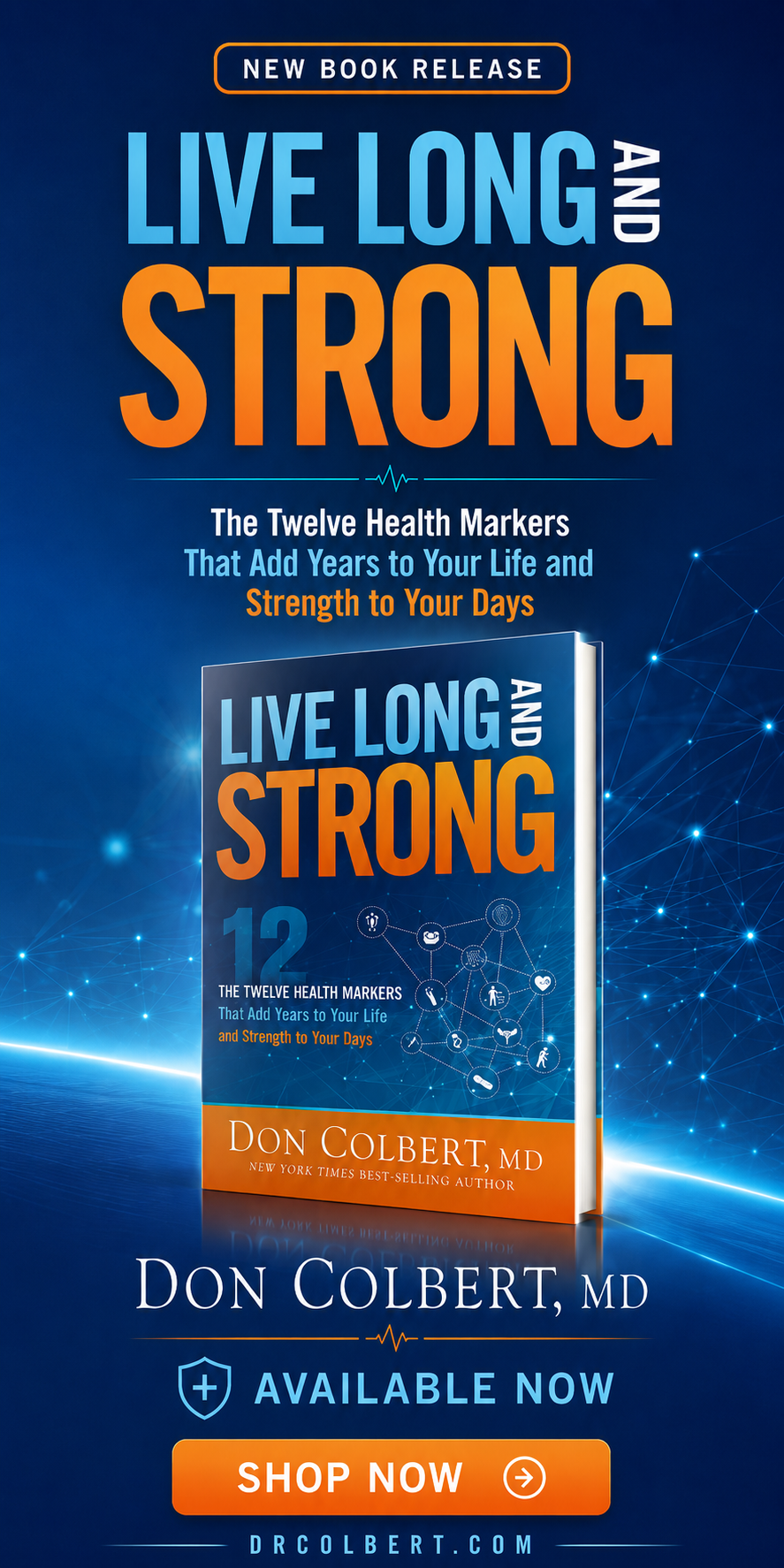
This balance between muscle, movement and wise nutrition is exactly why I wrote my newest book, Live Long and Strong. In it, I walk through the health markers I watch most closely in my patients, and muscle strength is high on that list. Longevity is not just about adding years. It is about having the strength to enjoy them.
From Dr. Colbert’s Bookshelf
Live Long and Strong: The Twelve Health Markers That Add Years to Your Life and Strength to Your Days
My newest book brings together what I have learned over three decades about aging well. You will discover the twelve health markers I track in my practice, why muscle and strength are among the most important signs of a long, vibrant life, and practical ways to eat, move and rest that support your body as God designed it. If this protein research has you rethinking your plate and your exercise routine, this book will give you the full roadmap.
✅ Your Protein and Aging Action Plan
- Know your number. Divide your weight in pounds by 2.2 to get kilograms, then multiply by 1.0 to 1.2 for a healthy older adult starting point. Never aim below the RDA of 0.8 grams per kilogram.
- Be honest about your activity. If you sit most of the day, there is little reason to push protein to the top of the range. If you strength train regularly, aim for at least 1.2 grams per kilogram.
- Start strength training this week. Two or three short sessions of squats, push-ups or light weights give your protein a job to do.
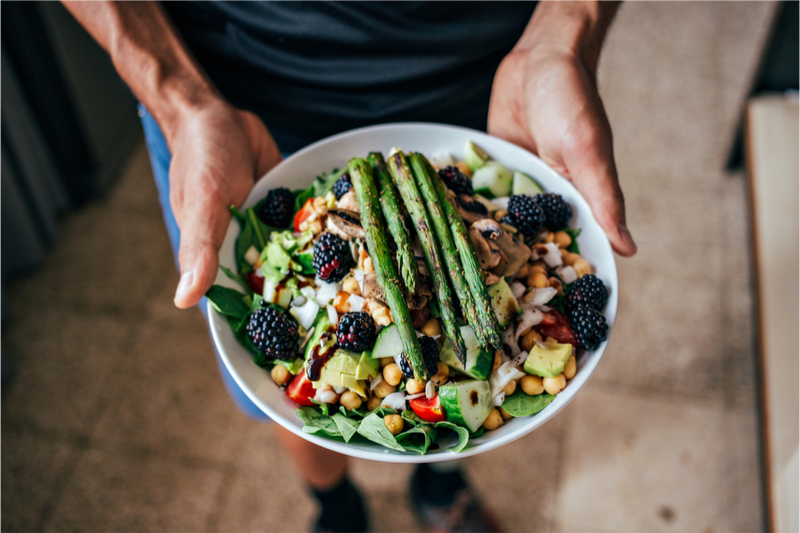
- Build meals around whole foods. Fill half your plate with vegetables, add a moderate portion of fish, eggs, poultry or legumes, and include healthy fats like olive oil, avocado and nuts.
- Swap some animal protein for plants. Try a lentil soup, a bean salad or a handful of walnuts a few times a week.
- Read labels with a skeptical eye. If a snack is marketed mainly for its protein, ask whether you would be better served by real food.
- Try a structured plan if you need one. My free 21-Day Keto Zone Challenge follows a moderate-protein approach and can help you learn balanced portions.
- Talk with your doctor. Especially if you have kidney concerns, take medications such as GLP-1 drugs, are losing weight quickly, or are recovering from illness or surgery.
- Give thanks at every meal. Gratitude slows us down, helps us notice when we have had enough and reminds us whose temple we are caring for.
❓ Frequently Asked Questions
How much protein per day should a person over 50 eat?
Expert groups such as PROT-AGE and ESPEN recommend at least 1.0 to 1.2 grams per kilogram of body weight per day for healthy older adults, and at least 1.2 grams for those who exercise. The new 2026 US guidance reported by ScienceDaily is 1.2 to 1.6 grams per kilogram. Your activity level and health status should guide where you fall in that range.
Does eating less protein help you live longer?
In flies and rodents, limiting protein increased lifespan, but this has not been shown in humans. ScienceDaily states plainly that the human trials do not show protein restriction extends human lifespan. The authors and other researchers advise against very low-protein diets, especially for older adults.
Is a high protein diet good for older adults?
Older adults generally need enough protein to protect muscle, and some need more than younger people. Higher intake makes the most sense for those who are active and strength training. For sedentary adults, the review suggests that very high intake may offer little extra benefit, so the goal is adequate, high-quality protein rather than as much as possible.
Should I take protein shakes after 40?
Many people can meet their protein needs from whole foods like fish, eggs, legumes, nuts and yogurt. A shake can be a convenient tool for some active adults, but it is not required. If you have a health condition or are losing weight quickly, ask your doctor or dietitian what fits your situation.
Does the source of protein matter?
It may. Researchers commenting on the review noted that some of the benefits seen in people could reflect eating less animal protein or a healthier diet overall. I encourage a Mediterranean-style mix that includes fish, eggs and generous amounts of plant protein from beans, lentils and nuts.
🙏 A Final Word on Protein and Aging
This new review is a fascinating window into how our cells respond to the food we eat, and I am grateful for researchers who keep asking hard questions. But the takeaway for you is not to fear protein or cut it sharply. It is to stop chasing the latest number on a cereal box and start listening to wisdom: enough protein from real food, matched to how much you move.
After 40, your muscles are one of your greatest treasures. Feed them well, use them often, rest them properly and thank God for the strength He gives you each day. Balance has always been His way, and it remains the surest path to living long and living strong.
Blessings to you and your family,
Dr. Don Colbert, MD
Sources
- Eating less protein could slow aging, review of 350 studies finds, ScienceDaily, 2026
- Knopf BA, Lamming DW. The hallmarks of protein and amino acid restriction in aging and longevity, Cell Press Blue, 2026; 1(5): 100079
- Eating less protein could slow aging, major review finds, ScienceDaily / Cell Press, 2026
- Eating Less Protein Could Slow Aging, Review of 350 Studies Suggests, but Scientists Warn Evidence Is Limited, International Business Times Australia, 2026
- Protein and Healthy Aging: Could Less Be More?, Medscape, 2026
- Evidence-based recommendations for optimal dietary protein intake in older people: a position paper from the PROT-AGE Study Group, Journal of the American Medical Directors Association
- Discussion on protein recommendations for supporting muscle and bone health in older adults: a mini review, Frontiers in Nutrition, 2024
- Protein Requirements for Older Adults: What Are the Current Recommendations for Intake?, Caring for the Ages
Was this helpful?
Get Dr. Colbert's weekly health tips
Simple, faith-filled health tips in your inbox once a week. Plus a free gift: the 21-Day Keto Zone Challenge.
Unsubscribe anytime. We never share your email.
What stood out to you most, and have you tried any of this yourself?
Tell us on Facebook