
Fiber for Knee Arthritis Pain? A Surprising Gut-Joint Link

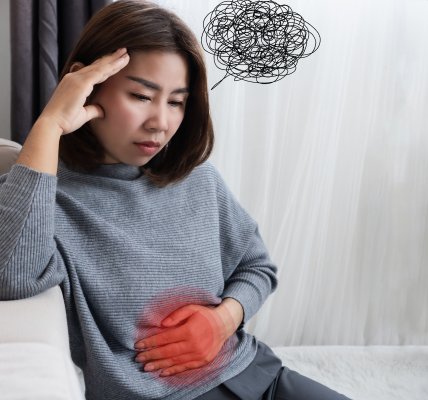
You bend down to tie your walking shoes, and your knee answers with that familiar, stubborn ache. In my practice I hear about it almost every week from men and women over 50. They have tried ice, heat and rest, and they want to know whether anything simple and natural might help.
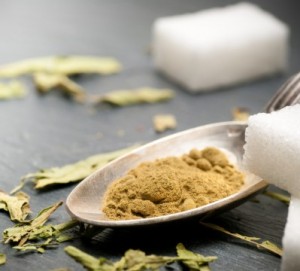
Here is a surprising place to look: your gut. A 2026 randomized trial from the University of Nottingham tested fiber for knee arthritis pain, using a plain prebiotic fiber called inulin. Adults with knee osteoarthritis who took it every day for six weeks reported modestly less pain than those who took a placebo, and their grip strength improved as well.
The fiber did not beat exercise, and it is not a cure for anything. Still, the results point to something I have believed for years: your gut, your muscles and your nerves were designed to work together.
ScienceDaily recently featured this study, and I want to walk you through it honestly. We will look at what it found, what it did not find, and how you can put the gut-joint connection to work this week with food, movement and faith.
🔬 What the Trial Found About Fiber for Knee Arthritis Pain
The study is called the INSPIRE trial, and it was published in the journal Nutrients in February 2026. It was a randomized controlled trial in people, which means participants were assigned by chance to different groups so the groups could be fairly compared. A placebo is a look-alike that should have no real effect, used to see whether the real thing does better.
Osteoarthritis is the most common type of arthritis, in which the cushioning cartilage in a joint wears down over time. The researchers in Nottingham, England, randomized 136 community-dwelling adults with knee osteoarthritis, and 117 completed the study. Their average age was 67.5, a little over 58 percent were women, and their average starting pain score was about 4 out of 10. People with fibromyalgia or irritable bowel syndrome were not included.
Participants were placed into one of four groups for six weeks:
- Inulin: 20 grams a day of prebiotic fiber, stirred into cereal, smoothies, yogurt or a drink.
- Placebo: 10 grams a day of maltodextrin, a starch powder.
- Exercise: a digital program of physiotherapy-supported exercise, guided by physical therapists.
- Both: inulin plus the exercise program.
Pain went down in every active group
Compared with placebo, inulin lowered knee pain by 1.11 points on the 10-point scale. The exercise program lowered it by 1.55 points, and inulin plus exercise lowered it by 1.67 points. So the fiber helped, but exercise helped a bit more.
Combining the two did not show a clear added boost beyond each one alone. The researchers point out, though, that the study was too small to reliably detect that kind of extra benefit.
Grip strength and pain sensitivity improved with inulin
This is where the fiber surprised me. Only the inulin group improved grip strength compared with placebo, by a difference of 4.62 (grip was measured in kilograms). The exercise program, which focused on the legs and knees, did not change grip strength.
Inulin also improved two measures of pain sensitivity. The first, pressure pain threshold, measures how much pressure on the skin it takes before it starts to hurt. The second, temporal summation, measures how much pain builds when the same mild stimulus is repeated. Together they show how loudly your nervous system turns up the pain signal, and the exercise-only group did not show these changes.
What exercise did that fiber did not
Exercise improved the 30-second chair-stand test (how many times you can rise from a chair) and the Timed Up and Go test (how quickly you can stand, walk a short distance and sit back down). Inulin alone did not improve either one. That is an important reminder: fiber is not a substitute for movement.
Almost nobody quit the fiber
Only 3.6 percent of people dropped out of the two groups without physiotherapy (2 of 55), compared with 21 percent in the physiotherapy groups (17 of 81). Average adherence was 88 percent for inulin and 84 percent for exercise. A daily habit only helps if you can actually keep it, and stirring fiber into breakfast proved easy to stick with.
There was a trade-off. Of the 50 people who completed the inulin intervention, 23 reported very minor digestive effects such as wind (gas) and bloating. None of them withdrew because of it, and no adverse events were reported in the groups that did not take inulin.
Recent Research
Only the inulin group showed higher blood levels of butyrate and GLP-1, two substances linked to the gut. Higher GLP-1 was associated with better grip strength. The authors call this an exploratory “gut-muscle link” that needs more study, not proof of cause and effect.
The honest limitations
I always tell my patients that one study is not the final word, and that holds true here. Please keep these points in mind:
- Small and short. About 26 people per group, for only six weeks.
- A modest benefit. The pain improvement with inulin only just reached statistical significance; its confidence interval (the range of likely true effects) ran from 2.18 points down to just 0.04 points.
- Mid-trial changes. Because so many people left the exercise groups, the researchers changed the odds of being assigned to each group partway through, which weakens the comparisons.
- No blinding for exercise. People obviously knew whether they were exercising.
- Exploratory biology. The GLP-1 analysis was not planned in advance, and its link with grip strength did not hold up after statistical correction for multiple comparisons. Butyrate levels did not track with pain.
- Powder, not food. The trial tested an inulin powder. It did not test chicory, Jerusalem artichokes or any whole food.
The trial was funded by UK public and charity sources, and the authors themselves say the findings need to be repeated in larger, longer studies. That is a careful, trustworthy way to report science, and it is how I want you to hold these results too: as encouraging, not settled.
🦠 Gut Health and Arthritis: Why Your Joints May Be Listening to Your Gut
Inside your digestive tract live trillions of bacteria, together called the gut microbiome. A prebiotic is a fiber that you cannot digest but your helpful bacteria can. (A probiotic, by contrast, is the live bacteria themselves.) Inulin is a prebiotic made by plants, including chicory root and Jerusalem artichokes, according to the University of Nottingham and the Cleveland Clinic.
When gut bacteria ferment inulin, they produce short-chain fatty acids, small molecules such as butyrate. A review in Frontiers in Immunology describes how inulin and these byproducts can influence the immune system. Think of your gut bacteria as a kitchen crew: give them the right ingredients, and they send useful messages throughout the body.
GLP-1 is one of those messengers. It is a hormone your own gut naturally makes, and in this trial the inulin group made more of it. The link between higher GLP-1 and stronger grip was intriguing but exploratory, and the researchers were careful not to claim it explains the results. Inulin is a plain food fiber, not a medication, and it should never be thought of as one.
The pain sensitivity findings may be the most fascinating part. Pain is not only about the joint; it is also about how your nervous system processes signals. If future studies confirm that feeding gut bacteria can calm that “volume knob,” it would add one more piece to a picture we are only beginning to understand. I explored more of how fiber shapes your gut bacteria in this article on a high-fiber diet and gut bacteria.
When I see connections like these, I think of the psalmist’s words: “I will praise You, for I am fearfully and wonderfully made; Marvelous are Your works, And that my soul knows very well” (Psalm 139:14, NKJV). Nothing in your body works alone.
Did You Know?
According to Stanford University, only about 5 percent of American adults meet the recommended fiber intake, and the average American eats around 17 grams a day. The recommended targets after age 50 are 21 grams for women and 30 grams for men.
🥗 High Fiber Foods for Joint Pain: 6 Practical Steps
Most of my patients do not need to chase one magic powder. They need to close the fiber gap with real food and keep their bodies moving. Harvard Health Publishing estimates that American adults eat roughly 10 to 15 grams of fiber a day, and that most of us get less than half the suggested amount. Here is where I would start.
Build Your Plate Around Plants
Fill half your plate with non-starchy vegetables and leafy greens, and add beans, nuts, seeds and berries throughout the week. Variety feeds a wider community of gut bacteria.
Meet the Inulin Plants
Chicory root and Jerusalem artichokes are natural sources of inulin. They are wonderful additions to your table, though the trial tested a powder, not these foods.
Start Low, Go Slow
Raise fiber gradually over a few weeks and drink plenty of water. Gas and bloating are the most common complaints when people add too much, too fast.
Keep Moving, With Guidance
Physiotherapy-supported exercise eased pain the most and was the only approach that improved chair-stand and walking tests. Ask your doctor about a physical therapist.
Keto Friendly Fiber
Harvard notes very low-carb eating can lower fiber without you noticing. If you follow keto, lean on leafy greens, avocado, flax and chia, and other low-carb vegetables.
Be Faithful in Small Things
The trial’s 88 percent adherence shows the power of a simple daily habit. Tie your fiber to something you already do, like your morning yogurt or breakfast prayer.
A word about inulin powders
The trial dose of 20 grams a day is on the high end. A review in Advances in Nutrition that looked across 17 inulin studies found that intakes up to about 5 grams a day usually cause no more than mild gas. Some people do tolerate up to 20 grams, but often with mild to moderate bloating, which matches what happened in this trial.
The Cleveland Clinic notes that inulin is safe for most people but can aggravate irritable bowel syndrome, and the Frontiers review advises extra caution for people with inflammatory bowel disease or allergies. If you have any bowel condition, take medications, or are managing knee osteoarthritis under a doctor’s care, please talk with your physician before adding a fiber supplement. I am not giving a personal dose here, because the right amount depends on you.
Strength is part of the picture too
Grip strength is more than a handshake. It reflects overall muscle health as we age, which is one reason the grip finding caught my attention. Pair your fiber with simple strength work; even short strength sessions for seniors can be a good starting point. If your knees are already talking to you, my article on what your joints are crying out for covers more lifestyle steps.
Arthritis UK’s research director made a point in the Nottingham press release that I fully agree with: a variety of healthy foods, including fiber, plus regular activity, matter for people with arthritis. That is not glamorous advice, but it is the kind that holds up.
✦ Dr. Colbert’s Faith Perspective
The Plants God Gave Us for Food
Long before anyone measured butyrate or grip strength, God set plants before us as nourishment. I find it beautiful that science keeps rediscovering how much the humble roots, seeds and greens of creation can do inside a body that is fearfully and wonderfully made.
Caring for your gut is part of honoring your body as a temple of the Holy Spirit (1 Corinthians 6:19 to 20). And it rarely looks dramatic. It looks like a bowl of vegetables, a walk after supper, and a quiet prayer of gratitude, repeated day after day. As the apostle John wrote, “Beloved, I pray that you may prosper in all things and be in health, just as your soul prospers” (3 John 1:2, NKJV).
“And God said, ‘See, I have given you every herb that yields seed which is on the face of all the earth, and every tree whose fruit yields seed; to you it shall be for food.'” (Genesis 1:29, NKJV)
“Your knees and your gut are not strangers. When you feed the good bacteria God placed within you and keep your body moving, you are giving every part of you, joints included, a better chance to do what it was designed to do.”
Dr. Don Colbert, MD
From Dr. Colbert’s Bookshelf
Dr. Colbert’s Healthy Gut Zone
If this study opened your eyes to how much your gut affects the rest of your body, this book is your next step. In Healthy Gut Zone, I explain how the microbiome connects to inflammation, energy, mood and whole-body health, and I show you how to feed your good bacteria with fiber-rich whole foods, one practical meal at a time. It pairs faith with science so you can care for the body God gave you with confidence.
✅ Your Gut-Joint Action Plan for This Week
Here is what I tell my patients who want to start right away, gently and wisely:
- Count your fiber for three days. Simply notice how much you eat now. Most of us are surprised by how far below 21 to 30 grams we fall.
- Add one fiber-rich food per day. A handful of greens, a spoon of chia or flax, or a serving of beans or berries. Small steps are easier on your gut and easier to keep.
- Try an inulin-rich plant. Roast Jerusalem artichokes like potatoes, or try chicory in a salad. Enjoy them as good food, not as a guaranteed fix.
- Drink more water as fiber goes up. Fiber works best with fluid, and water helps ease the transition.
- Talk with your doctor before any fiber supplement. This matters especially if you have IBS, inflammatory bowel disease, allergies, take medications, or are under care for osteoarthritis.
- Ask about guided exercise. In this trial, physiotherapy-supported exercise did the most for pain and function. A physical therapist can tailor movements to your knees.
- Add grip and strength work. Squeeze a soft ball, carry groceries with good posture, and include simple strength exercises a few days a week.
- Anchor the habit in gratitude. Give thanks for your food and your body at breakfast. Faithfulness in small daily habits is where lasting change begins.
❓ Frequently Asked Questions
Can fiber help knee arthritis pain?
In one 2026 randomized trial, adults with knee osteoarthritis who took 20 grams of inulin daily for six weeks reported pain about 1.1 points lower on a 10-point scale than those on placebo. The benefit was modest, the study was small and short, and the researchers say it needs to be confirmed in larger trials. Fiber is best seen as one supportive part of a healthy lifestyle, alongside medical care and exercise.
What is inulin,
Was this helpful?
Get Dr. Colbert's weekly health tips
Simple, faith-filled health tips in your inbox once a week. Plus a free gift: the 21-Day Keto Zone Challenge.
Unsubscribe anytime. We never share your email.
What stood out to you most, and have you tried any of this yourself?
Tell us on Facebook
Was this helpful?
Get Dr. Colbert's weekly health tips
Simple, faith-filled health tips in your inbox once a week. Plus a free gift: the 21-Day Keto Zone Challenge.
Unsubscribe anytime. We never share your email.
What stood out to you most, and have you tried any of this yourself?
Tell us on Facebook