
Healthy at 90: Myra’s Story and 9 Habits for Healthy Aging

Last reviewed and updated: October 30, 2026
Myra Hobbs was 90 years young when she joined us on television, and she was still living a full, bountiful life. In the short clip below she shares what has kept her going. Her story is a wonderful reminder that the later decades of life can be active, joyful and purposeful.
Not everyone will reach 90, and genes and circumstances play a part. Still, decades of research point to a handful of everyday habits that are strongly linked with living longer and staying independent. None of them are exotic. Most of them cost little or nothing. Below I walk through the habits I see again and again in my healthiest older patients, and what the science says about each one.
What the Research Says About Living Into Your 90s
A large Harvard analysis followed more than 120,000 American adults for up to 34 years. People who kept five low-risk habits (never smoking, a healthy body weight, at least 30 minutes a day of moderate to vigorous activity, moderate or no alcohol, and a high-quality diet) lived far longer than those who kept none. At age 50, women who kept all five could expect about 14 more years of life, and men about 12 more years (1).
That is the good news of healthy aging: your daily choices add up. Here are the habits that matter most.
1. Keep Moving Every Day
Movement is one of the strongest predictors of a long, independent life. A 2022 meta-analysis of 15 studies and nearly 50,000 adults found that more daily steps were linked to a lower risk of death. For adults 60 and older, the benefit leveled off at roughly 6,000 to 8,000 steps a day, so you do not need to run marathons (2). I wrote more about this in how many steps a day your brain really needs.
- Walk after meals. Even 10 to 15 minutes helps with blood sugar.
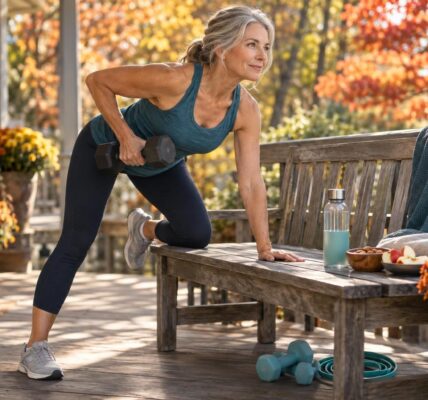
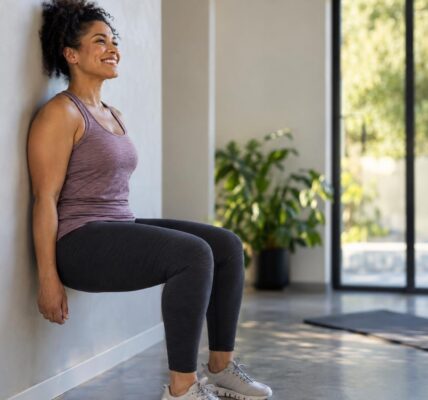
- Add light strength work two or three times a week: chair stands, wall push-ups, resistance bands or light dumbbells.
- Practice balance. Standing on one foot while you brush your teeth is a simple start and may help prevent falls.
2. Eat a Mediterranean-Style, Whole-Food Diet
The Mediterranean pattern, rich in vegetables, fruits, olive oil, nuts, beans, fish and herbs, is one of the best-studied eating patterns for longevity. A meta-analysis in the BMJ found that people who followed it more closely had lower overall mortality and lower rates of heart disease, cancer, Parkinson’s disease and Alzheimer’s disease (3). You can read about newer findings in the Mediterranean diet and aging.
Practical steps:
- Fill half your plate with colorful vegetables at lunch and dinner.
- Choose extra-virgin olive oil as your main fat.
- Eat fish two or more times a week, and enjoy beans and lentils often.
- Limit sugar, white flour and ultra-processed foods.
- Keep protein up. Many older adults eat too little, which speeds muscle loss.
If it is hard to get enough produce every day, some people add a fruit or vegetable powder. Myra’s original segment mentioned Fermented Green Supremefood and Red Supremefood, which may help support your daily intake of plant nutrients. They are a supplement to real vegetables and fruit, never a replacement.
3. Stay Connected to People
Loneliness is not just sad; it is a health risk. A meta-analysis of 148 studies covering more than 300,000 people found that adults with stronger social relationships had about a 50% greater likelihood of survival over the study periods than those with weaker ties (4). That effect is comparable to well-known risks such as smoking.
Call a friend this week. Eat meals with others when you can. Join a small group at church, volunteer, or teach a skill to a grandchild. Relationships are medicine.
4. Live With Purpose
Healthy 90-year-olds usually have a reason to get up in the morning. In a study of nearly 7,000 American adults over 50, those with the lowest sense of life purpose were more than twice as likely to die during the follow-up period as those with the strongest sense of purpose (5).
Purpose does not have to be grand. It can be praying for others, mentoring, gardening, caring for a pet, or serving in your community. As a physician and a believer, I see faith give many of my patients both purpose and peace.
“They shall still bring forth fruit in old age; they shall be fat and flourishing.”
Psalm 92:14 (KJV)
5. Protect Your Sleep
Sleep often gets lighter with age, but it remains essential for memory, mood, blood sugar and immune health. Aim for 7 to 8 hours. Keep a regular bedtime, get morning daylight, keep the bedroom cool and dark, and limit caffeine after noon. Morning light helps your body clock, and I explain why time outside also matters for the brain in daylight and dementia risk.
6. Guard Your Bones and Muscles
Falls and fractures are among the biggest threats to independence after 80. Strength and balance training, enough protein, and adequate vitamin D and calcium from food all help. Ask your doctor whether you need a bone density test. For more, see 5 simple habits for stronger bones.
7. Do Not Smoke, and Keep Alcohol Low
Never smoking was one of the five habits that added years in the Harvard data (1). If you smoke, quitting at any age helps. Keep alcohol modest or skip it altogether, especially if you take medications that interact with it.
8. Keep Your Mind Engaged
Reading, learning a new skill, music, puzzles and conversation all keep the brain challenged. Combine mental activity with physical activity and social time, and you get the most benefit. Hearing and vision checks matter here too, since untreated hearing loss can make people withdraw.
9. Stay Ahead With Regular Checkups
Know your numbers: blood pressure, blood sugar, cholesterol, kidney function and vitamin D. Review all your medications and supplements with your doctor at least once a year, because older adults are more sensitive to side effects and interactions. Catching problems early is one of the simplest ways to protect your later years.
Your healthy aging starter plan
This week, pick just two habits: a daily walk after one meal, and one phone call or visit with someone you love. Add a new habit every two weeks. For more guides in one place, visit our Healthy Aging hub.
Bottom Line
Myra’s vitality at 90 was not luck alone. Long, healthy lives tend to be built from ordinary habits repeated for years: daily movement, whole foods, strong relationships, purpose, good sleep, and wise medical care. It is never too late to start. Choose one habit today, and let it grow into the next.
Frequently Asked Questions
What are the most important habits for healthy aging?
Research points to five core habits: not smoking, keeping a healthy weight, getting about 30 minutes of moderate activity most days, keeping alcohol low, and eating a high-quality diet. Strong relationships, purpose and good sleep add to the benefit.
How many steps a day should older adults walk?
In a large 2022 meta-analysis, the lower risk of death for adults 60 and older leveled off at roughly 6,000 to 8,000 steps a day. Any increase from where you are now is a good start.
What is the best diet for living to 90?
A Mediterranean-style diet built on vegetables, fruit, olive oil, beans, nuts, fish and whole foods is one of the best-studied patterns for longevity. Getting enough protein is also important to protect muscle.
Is it too late to start healthy habits at 70 or 80?
No. Quitting smoking, walking more, strength training and eating better can help at any age. Check with your doctor before starting a new exercise program.
Does loneliness affect how long you live?
Yes. A meta-analysis of 148 studies found that people with stronger social relationships had about a 50% greater likelihood of survival than those with weaker social ties.
References
- Li Y, et al. Impact of healthy lifestyle factors on life expectancies in the US population. Circulation. 2018.
- Paluch AE, et al. Daily steps and all-cause mortality: a meta-analysis of 15 international cohorts. Lancet Public Health. 2022.
- Sofi F, et al. Adherence to Mediterranean diet and health status: meta-analysis. BMJ. 2008.
- Holt-Lunstad J, et al. Social relationships and mortality risk: a meta-analytic review. PLoS Medicine. 2010.
- Alimujiang A, et al. Association between life purpose and mortality among US adults older than 50 years. JAMA Network Open. 2019.
This article is for educational purposes only and is not medical advice. Talk with your own doctor before changing your diet, starting a supplement, or changing any medication. These statements have not been evaluated by the Food and Drug Administration. Products mentioned are not intended to diagnose, treat, cure, or prevent any disease.
Was this helpful?
Get Dr. Colbert's weekly health tips
Simple, faith-filled health tips in your inbox once a week. Plus a free gift: the 21-Day Keto Zone Challenge.
Unsubscribe anytime. We never share your email.
What stood out to you most, and have you tried any of this yourself?
Tell us on Facebook