Mediterranean Diet and Aging: 2 Tiny Proteins Tied to Your Plate

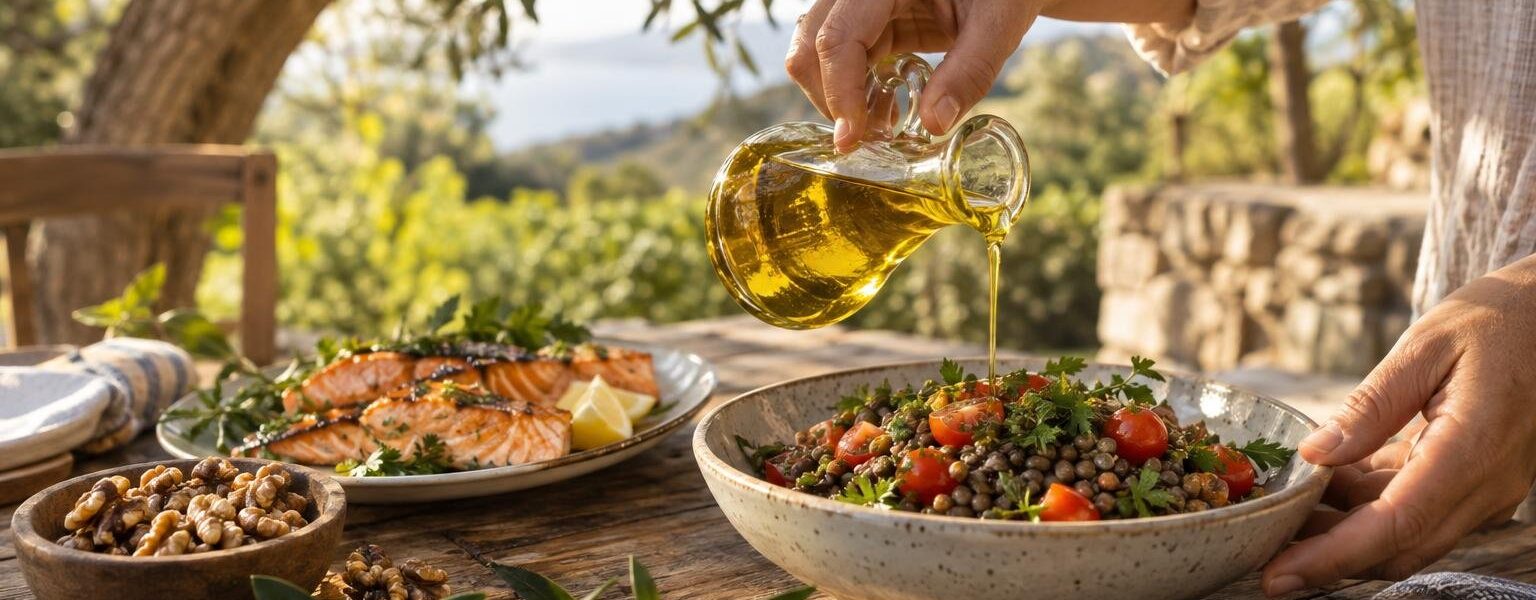
Picture a long table on a warm afternoon. There is a plate of grilled fish with lemon, a bowl of lentils glistening with olive oil, fresh tomatoes, a handful of nuts. Nothing fancy. Nothing from a box. Just the kind of meal people around the Mediterranean Sea have enjoyed for thousands of years.
We have known for a long time that this way of eating is good for us. But here is a question my patients often ask me: why? What is actually happening inside the body when we eat this way? When it comes to the Mediterranean diet and aging, researchers may have uncovered a fascinating piece of the answer.
A study from the USC Leonard Davis School of Gerontology, published in Frontiers in Nutrition in March 2026 and recently featured again on ScienceDaily, found that older adults who most closely followed a Mediterranean diet had higher blood levels of two tiny proteins made by the mitochondria, the energy factories inside your cells. These proteins, called humanin and SHMOOSE, have been linked in earlier research to protecting the heart and brain.
I love this study because it paints a beautiful picture: your cells may be listening to your fork. Let me walk you through what the researchers found, what it does and does not mean, and the simple steps you can take this week.
🔬 What the Mediterranean Diet and Aging Study Found
The research team, led by Dr. Pinchas Cohen at USC along with colleagues in Italy, analyzed blood samples from a group of older adults. Each person’s diet was scored by how closely it matched the traditional Mediterranean pattern. Then the scientists measured two mitochondrial microproteins, humanin and SHMOOSE, along with markers of oxidative stress.
Here is what they reported, according to the USC Leonard Davis press release and the published study:
- Higher protein levels. People who followed the Mediterranean diet most closely had significantly higher blood levels of both humanin and SHMOOSE.
- Less oxidative stress. That same high-adherence group showed lower markers of oxidative stress, a kind of cellular “rusting” I will explain in a moment.
- Specific foods mattered. Eating more olive oil, fish and legumes was associated with higher humanin. Olive oil and eating fewer refined carbohydrates were associated with higher SHMOOSE.
- A possible heart connection. People with more humanin tended to have lower activity of an enzyme called Nox2, which produces reactive oxygen species. The authors suggest this could be a new heart-protective pathway.
Let’s Be Honest About the Limits
As a physician, I want you to understand exactly what kind of study this is. It was an observational study, meaning the researchers looked at a snapshot of people’s diets and blood work at one point in time. They did not assign anyone to a diet and then watch what happened.
Both ScienceDaily and USC describe the study as relatively small. Most importantly, it shows an association, not cause and effect. It cannot prove that the Mediterranean diet raises humanin or SHMOOSE, or that these proteins prevent heart disease or Alzheimer’s. The authors say this directly. People who eat this way may also exercise more, sleep better or have other healthy habits that explain part of the difference.
It is also fair to know that the study was funded by an Alzheimer’s nutrition fund and the NIH, and that Dr. Cohen’s team discovered humanin. That is common in research and does not undo the findings, but it is good context. The next step, as the researchers themselves note, is a trial testing whether Mediterranean-style eating actually raises these proteins and improves health outcomes. One study is never the final word.
Did You Know?
Your mitochondria carry their own small set of DNA, separate from the DNA in the center of your cells. Hidden in that DNA are short genetic instructions for tiny proteins called mitochondria-derived peptides. Eight have been described in published research so far, including humanin and MOTS-c.
🧬 Why It Matters: The Mediterranean Diet, Mitochondria and Tiny Messengers
For years, we thought of mitochondria simply as the “powerhouses” of the cell. They take the food you eat and the oxygen you breathe and turn them into energy. Every heartbeat and every thought depends on them.
But scientists now understand that mitochondria are also communicators. They send out small chemical messages that travel through the body and help regulate how cells respond to stress. A review in the Journal of Clinical Investigation explains that these mitochondria-derived peptides are an important new area in the science of aging and healthspan, which means the years we live in good health.
Meet Humanin
Humanin was first identified by Dr. Cohen’s team in 2003. A 2020 paper in the journal Aging reports that humanin levels generally decline with age across many species. Interestingly, circulating humanin was found to be much higher in the children of centenarians (people who live past 100) than in people of the same age without that family history. Levels were lower in people with Alzheimer’s disease.
Now, I need to be clear about the kind of evidence behind humanin. In worms, humanin was linked to longer lifespan. In mice, it was linked to better healthspan, and in rodents it helped lessen Alzheimer’s-type changes in the brain. Those are animal studies, not human trials. In people, what we have so far are correlations, meaning higher humanin tends to show up alongside better health markers.
Meet SHMOOSE
SHMOOSE is a newer discovery with a playful name. According to the press materials, a genetic variant of SHMOOSE has been linked to a higher risk of Alzheimer’s disease, while the normal form appears to help protect nerve cells from damage related to amyloid, the sticky protein associated with Alzheimer’s. That earlier research is part of why the USC team was so interested in what might influence SHMOOSE levels.
Oxidative Stress and the Nox2 Connection
Oxidative stress happens when unstable molecules called reactive oxygen species build up faster than the body can neutralize them. Think of it like rust forming on metal. Over time, that “rust” can damage cells, including the delicate lining of your blood vessels.
Nox2 is an enzyme that produces some of those reactive oxygen species. In this study, people with more humanin tended to have lower Nox2 activity. A recent review on vascular aging notes that peptides like humanin help regulate inflammation, oxidative stress and the natural turnover of cells, all central to healthy blood vessels. That is why the researchers see a possible link to heart health, though it still needs to be tested.
So the story is this: the foods on your plate may be associated with the messages your mitochondria send. That is a powerful idea. Food is not just fuel. Food may also be information. If you would like to see how other research connects eating patterns with the pace of aging, read my article on diet and biological aging.
Recent Research
The Mediterranean diet’s heart reputation does not rest on observation alone. In the randomized PREDIMED trial, people eating a Mediterranean diet enriched with extra virgin olive oil or nuts had a 30% lower risk of major cardiovascular events, according to the Mayo Clinic Diet.
🫒 Foods That Protect the Brain as You Age: 6 Simple Mediterranean Steps
Here is the good news. You do not need anything exotic to eat this way. According to Mayo Clinic, the Mediterranean pattern uses extra virgin olive oil as the main fat and is rich in vegetables, whole grains, beans, legumes and nuts. It includes fish, poultry and eggs a few times each week, with limited red meat and added sugar.
And Mayo Clinic Press notes that people who follow a Mediterranean diet appear less likely to develop dementia, and that studies suggest it may slow cognitive decline in older adults. Here are the steps I share with my patients, built around the foods highlighted in the USC study.
Make Olive Oil Your Main Fat
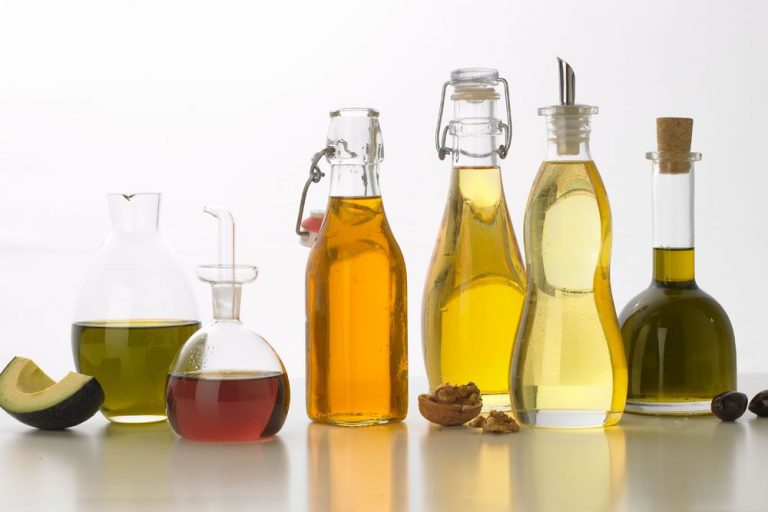
Olive oil was the only food associated with higher levels of both humanin and SHMOOSE. Drizzle extra virgin olive oil on salads, roasted vegetables, beans and fish instead of using processed vegetable oils.
Enjoy Fish a Few Times a Week
Higher fish intake was linked to higher humanin. Choose fatty fish such as wild salmon and sardines. Mayo Clinic Press names fish and olive oil as the primary fats of this brain-friendly pattern.
Bring Back the Humble Bean
Legumes were also associated with higher humanin. Lentils, chickpeas and black beans are inexpensive, filling and easy to add to soups, salads and side dishes.
Cut Back on Refined Carbs
Eating fewer refined carbohydrates was associated with higher SHMOOSE. Gradually trade white bread, pastries and sugary snacks for vegetables, nuts and modest portions of whole grains.
Fill Half Your Plate With Color
Vegetables are the foundation of the Mediterranean table. Leafy greens, tomatoes, peppers and herbs make olive oil and fish taste even better and round out a whole-food meal.
Snack on Nuts, Limit Red Meat
The PREDIMED nut arm showed heart benefits, and Mayo Clinic advises limiting red meat and added sugar. A small handful of walnuts or almonds is a simple swap for chips or cookies.
Olive Oil Benefits for Brain and Heart
If you take only one thing from this article, let it be this: make extra virgin olive oil a daily friend. In the USC study it stood out as the food connected with both microproteins. In PREDIMED, an olive oil enriched Mediterranean diet was part of the group with fewer heart events. And Mayo Clinic calls it the main fat of the whole pattern.
In my practice, I encourage patients to keep a good bottle of extra virgin olive oil on the counter, not hidden in the pantry. When it is in sight, you use it. Pour it over a warm bowl of lentils, toss it with roasted vegetables, or whisk it with lemon juice and garlic for a simple dressing.
Food First, Not Pills or Peptides
I want to address something directly. Humanin and similar peptides are being sold online, and some people will read about this study and go searching for a shortcut. Please don’t. This study was about food, not injections or capsules, and no one knows whether taking these peptides is safe or helpful in people. Real, minimally processed food is the message here.
I have also written recently about fish oil and the brain, but this article is intentionally food first. The study looked at whole fish on the plate, along with olive oil and beans, eaten as part of an overall pattern. If you are curious how the Mediterranean approach compares with a brain-focused cousin, my article on the MIND diet and brain health is a helpful companion.
Your Whole Life Speaks to Your Cells
Remember that this was an observational study, and the healthiest eaters may also have had other healthy habits. That is not a weakness for you. It is an invitation. The Mediterranean way of life has always included walking, sharing meals with family and friends, resting and gratitude. Gentle strength work matters too, and even a few minutes count, as I explain in my article on strength training for seniors.
My newest book, Live Long and Strong, walks through twelve health markers that can help you add healthy years to your life. It is a practical next step if this study has you thinking about how to age with energy and purpose.
✦ Dr. Colbert’s Faith Perspective
The Foods of the Promised Land
When I read this study, I could not help thinking of the foods God named in Scripture. When the Lord described the good land He was giving Israel, He spoke of wheat, barley, vines, figs, pomegranates and olive oil. Lentils and beans appear throughout the Old Testament, and Jesus Himself shared fish with His disciples by the Sea of Galilee, even after His resurrection (Luke 24:42-43).
Now science is discovering that tiny factories inside our cells may respond to these very foods. That should fill us with awe. We truly are fearfully and wonderfully made (Psalm 139:14). Every cell was designed by a loving Creator, and caring for our bodies is an act of worship. Paul reminds us that our bodies are temples of the Holy Spirit and that we are called to glorify God in them (1 Corinthians 6:19-20).
Stewardship does not mean perfection or fear. It means choosing, meal by meal, to honor the body God gave you, with gratitude for His provision.
“a land of wheat and barley, of vines and fig trees and pomegranates, a land of olive oil and honey;” (Deuteronomy 8:8, NKJV)
“Every meal is a message. When you reach for olive oil, fish and beans, you may be speaking a language your cells were designed by God to understand.”
Dr. Don Colbert, MD
From Dr. Colbert’s Bookshelf
What Would Jesus Eat?
This is the book I wrote to show how the foods of the Bible line up beautifully with what we now call the Mediterranean diet. You will learn how to build your meals around olive oil, fish, legumes, vegetables and other whole foods, the very foods highlighted in this study, and how to eat in a way that honors God and helps you feel great as you age. It is practical, encouraging and full of the reasons behind each choice.
📋 Your Mediterranean Diet and Aging Action Plan
Big changes start with small, repeatable steps. Here is a simple plan you can begin this week.
- Swap your cooking oil. Replace processed vegetable oils with extra virgin olive oil for dressings, drizzling and gentle cooking.
- Plan two fish meals. Put wild salmon, sardines or another fatty fish on your menu at least twice this week.
- Add one legume a day. Toss chickpeas on a salad, make a pot of lentil soup or serve black beans as a side.
- Trade one refined carb. Each day, replace one serving of white bread, pastry or sugary snack with vegetables, nuts or a piece of fruit.
- Build half your plate from vegetables. Aim for color at lunch and dinner, dressed with olive oil and herbs.
- Move after meals. Take a short walk after dinner and add a few minutes of strength work a few times a week.
- Share the table. Eat at least a few meals each week with family or friends, and begin with a prayer of thanks.
- Talk with your doctor. If you have heart disease, take blood thinners or other medications, have gout, or are allergic to fish or legumes, talk with your physician before making major changes to your diet.
❓ Frequently Asked Questions
What are humanin and SHMOOSE?
They are tiny proteins, called microproteins, made from instructions in your mitochondrial DNA. Humanin was discovered in 2003, and levels tend to decline with age. Both have been linked in earlier research, mostly in animals and cells, to protecting the heart and brain.
Does the Mediterranean diet slow aging?
No single study can prove that. This USC study found that older adults who followed the diet most closely had higher levels of humanin and SHMOOSE and lower oxidative stress markers, but it was small and observational. Combined with trials like PREDIMED, it adds to a strong case for this way of eating as part of healthy aging.
Should I buy humanin or other peptide supplements?
I do not recommend it. This research was about whole foods, and there is no good evidence that buying peptides online is safe or helpful for people. Focus on olive oil, fish, legumes and vegetables, and talk with your doctor before trying anything new.
What is the easiest way to start eating Mediterranean style?
Start with olive oil. Make it your main fat, then add fish twice a week and a serving of beans or lentils most days. Small, steady swaps are easier to keep than a complete overhaul.
Is the Mediterranean diet safe for everyone?
It is a balanced, whole-food pattern that suits most adults. However, people with fish or legume allergies, gout, heart disease or those taking blood thinners should talk with their doctor before making big changes. Your physician can help tailor the plan to your needs.
🙏 A Final Word of Encouragement
I find it deeply encouraging that the simple foods people have enjoyed for thousands of years, the foods named in Scripture, may be speaking to the smallest structures inside our cells. Science is still learning, and this study is an early clue rather than a final answer. But it gives us one more reason to choose real food with gratitude.
You do not have to be perfect. Start with one meal. Pour the olive oil, grill the fish, simmer the lentils, and thank God for His provision. Your body is fearfully and wonderfully made, and every good choice is a way of honoring the One who made it.
As the apostle John wrote, “Beloved, I pray that you may prosper in all things and be in health, just as your soul prospers.” (3 John 1:2, NKJV). That is my prayer for you as well.
Dr. Don Colbert, MD
Sources
- Mediterranean diet may boost tiny proteins that protect the heart and brain, ScienceDaily, 2026
- Vicinanza R, et al. Mediterranean diet adherence is associated with mitochondrial microproteins Humanin and SHMOOSE; potential role of the Humanin-Nox2 interaction in cardioprotection, Frontiers in Nutrition, 2026
- Mediterranean diet and mitochondria health, USC Leonard Davis School of Gerontology, 2026
- Mitochondria-derived peptides in aging and healthspan, Journal of Clinical Investigation (PubMed)
- The mitochondrial derived peptide humanin is a regulator of lifespan and healthspan, Aging (Albany NY) (PubMed), 2020
- Mitochondrial-Derived Peptides as Therapeutics and Biomarkers for Combating Vascular Aging and Associated Cardiovascular Diseases, PubMed
- Mediterranean diet for heart health, Mayo Clinic
- Mediterranean Diet for Heart Health: lower blood pressure, LDL and stroke risk, Mayo Clinic Diet, 2025
- The best foods for reducing dementia risk, Mayo Clinic Press
Was this helpful?
Get Dr. Colbert's weekly health tips
Simple, faith-filled health tips in your inbox once a week. Plus a free gift: the 21-Day Keto Zone Challenge.
Unsubscribe anytime. We never share your email.
What stood out to you most, and have you tried any of this yourself?
Tell us on Facebook