Daily Peanuts and Brain Health: What 16 Weeks Did After 60

Picture the humble peanut. It shows up at ball games, in lunch boxes and in that dusty jar at the back of the pantry. Most of us never think of it as brain food. Yet a new study suggests this ordinary little legume may deserve a second look, especially if you are over 60 and care about keeping your memory sharp.
Researchers at Maastricht University in the Netherlands found that older adults who ate unsalted, skin-roasted peanuts every day for 16 weeks showed better insulin responsiveness in brain regions involved in memory. ScienceDaily covered the findings under the headline “Scientists discover a surprising brain benefit of eating peanuts every day.”
In my practice I often see patients who want to protect their minds but feel overwhelmed by complicated plans. That is why I find this research on peanuts and brain health so interesting. It points to a simple, affordable food. As always, though, the details matter, so let me walk you through what the study really showed, what it did not show, and how to enjoy peanuts wisely.
🔬 Peanuts and Brain Health: What the New Study Found
The study, published in the journal Food & Function in September 2026, was a human randomized controlled crossover trial. “Crossover” means each person took part in both conditions. They spent 16 weeks eating peanuts and another 16 weeks eating no peanuts, in random order. That way, each participant served as his or her own comparison.
The volunteers were 31 healthy men and women aged 60 to 75. During the peanut period, they ate 60 grams a day of unsalted, skin-roasted peanuts. That is about two servings. According to the registered trial protocol on ClinicalTrials.gov, the team enrolled people with a body mass index of 20 to 35 and excluded anyone with a peanut allergy or intolerance.
How They Measured the Brain’s Response to Insulin
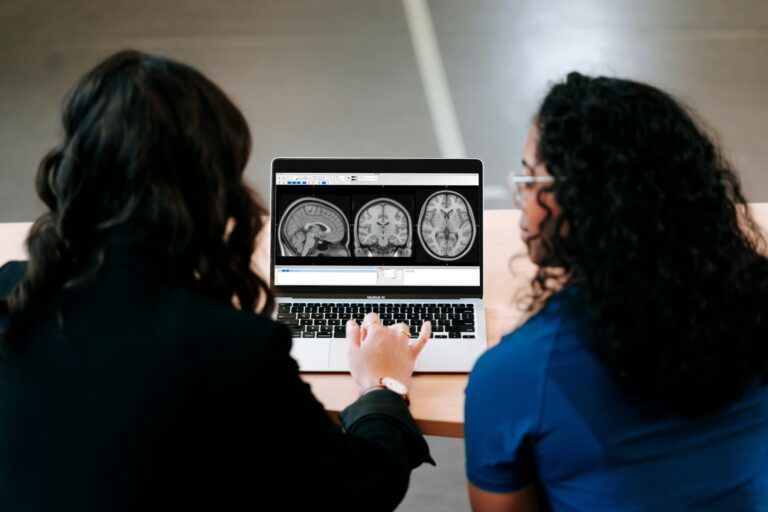
Here is where the study gets clever. The researchers gave participants insulin through the nose, which is a way to deliver it toward the brain. Then they used a special MRI scan called ASL-MRI (arterial spin labeling, a technique that measures blood flow in the brain without any injected dye). They watched how blood flow in different brain regions changed after the insulin.
When a brain region responds well to insulin, its blood flow shifts in a healthy way. After the 16 weeks of daily peanuts, insulin responsiveness improved in a cluster of regions on the right side of the brain. That cluster included parts of the hippocampus (the brain’s main memory center), the parahippocampal gyrus, the lingual gyrus, the posterior cingulate gyrus and the thalamus. These are all areas involved in memory.
The Earlier Results From the Same Trial
This was not the first report from this group of volunteers. In 2025, the same team published results in Clinical Nutrition showing that the 16-week peanut period raised overall cerebral blood flow (blood flow to the brain) by 3.6% and improved verbal memory performance by 5.8%. Verbal memory is your ability to remember words and spoken information, like a grocery list or a name you just heard. These numbers come from the press materials summarized in the EurekAlert news release.
Recent Research
The team also measured liver fat with abdominal MRI and thinking skills with a computerized test set called CANTAB. The results of those two measures were not reported in the ScienceDaily story, so we will wait for fuller details before drawing any conclusions about them.
Honest Limitations You Should Know
I always want my readers to see the whole picture. This was a small study of 31 people, and one study is never the final word. Everyone in it was healthy, so it tells us nothing about people who already have memory problems.
Brain insulin responsiveness is a marker, a measurable sign of how the brain is working. It is not a measure of dementia or Alzheimer’s disease, and this study does not show that peanuts prevent either one. The trial was also funded by The Peanut Institute Foundation, and the press release came from The Peanut Institute. The researchers state the funder had no role in the design, analysis or writing, but it is fair for you to know who paid for the work.
🧠 Why Brain Insulin Resistance Matters as We Age
Most people think of insulin as a hormone that only matters for the body’s blood sugar. But insulin also acts in the brain. Your brain uses insulin signals in areas tied to memory and learning, and those signals help regulate blood flow and energy use.
When the brain becomes less responsive to insulin, a state often called brain insulin resistance, those signals do not get through as well. Scientists are very interested in this because it seems to change as we age. Improving how memory regions respond to insulin, as this study observed, is an encouraging sign, even though it is not the same as proving a long-term outcome.
What Inside a Peanut Might Help?
The senior author does not credit one magic nutrient. He suggests several parts of the peanut may work together: unsaturated fats, fiber, vitamins and minerals, and plant compounds called phytochemicals. That fits what I have taught for decades. God designed whole foods as a package, and the parts often work better together than alone.
He also points out that peanuts are rich in L-arginine, an amino acid that the body uses to make nitric oxide. Nitric oxide is a molecule that helps blood vessels relax and widen. That may help explain why the earlier report found more blood flowing to the brain.
Nutrition Spotlight
According to Cleveland Clinic, one serving of peanuts has about 166 calories, 14 grams of fat, 2.4 grams of fiber, 7 grams of protein and 6 grams of carbohydrate. Peanuts also contain phytosterols, plant compounds that may help lower cholesterol.
🌰 Are Peanuts Good for You? The Bigger Picture
Here is a fact that surprises many of my patients: peanuts are not true nuts. They are legumes, in the same plant family as chickpeas, lentils, peas and soybeans. Nutritionally, though, they are often grouped with nuts because of their healthy fats and protein.
The heart research on nuts is encouraging. The Harvard T.H. Chan School of Public Health describes a study of more than 210,000 health professionals followed for up to 32 years. Eating one ounce of nuts five or more times a week was linked to a 14% lower risk of cardiovascular disease and a 20% lower risk of coronary heart disease. Peanuts were linked to lower risk as well. Since what helps the heart often helps the brain, that matters.
When it comes to nuts and memory specifically, the science is more mixed. A review in the journal Nutrients called the evidence limited and inconclusive, while suggesting nuts may play a role in cognitive health, especially for older adults and people at higher risk. The American Society for Nutrition described a systematic review that found inconsistent evidence for mixed nuts, with stronger support for walnuts.
So I want to be careful. This new trial studied skin-roasted peanuts only. We cannot assume the same results apply to almonds, cashews or other nuts, and we cannot assume peanut butter or candy-coated peanuts behave the same way. The study tells us something hopeful about one specific food, prepared in one specific way.
🌿 Foods for Memory After 60: Simple Steps to Support Your Brain
Peanuts are not a stand-alone plan. They work best as one small piece of a brain-friendly lifestyle. Here is how I would put this research into practice, along with the other habits I share with my patients every week.
Choose the Right Peanut
Look for unsalted peanuts with the thin red skins still on, raw or dry-roasted. Skip oil-roasted, honey-roasted and heavily salted versions. The skins carry many of the plant compounds.
Swap, Don’t Stack
Peanuts are calorie-dense. Use a handful to replace chips, crackers or cookies rather than adding peanuts on top of your usual snacks.
Build a Brain-Friendly Plate
Pair peanuts with leafy greens, berries, olive oil, beans, fish and colorful vegetables. Sprinkle a few on a salad or stir-fry.
Keep Moving
Regular walking keeps blood flowing to the brain. A peanut snack after a morning walk is a lovely, simple habit.
Protect Your Sleep
Deep, regular sleep is when the brain rests and restores. Aim for a consistent bedtime and a dark, cool bedroom.
Nurture Peace and People
Prayer, gratitude and time with friends and family help calm stress, which is good for the whole body, including the brain.
If you want to see how peanuts fit into a broader eating pattern, I encourage you to read my article on the MIND diet and brain health as we age. It shows how whole foods work together over the years.
Movement matters just as much as food. My article on daily steps and brain health explains why simply walking more can be one of the best gifts you give your mind. And because rest is so often overlooked, take a look at what research shows about sleep loss and brain health.
A Word About Portions
The participants ate 60 grams a day, about two servings at roughly 166 calories each. That is considerably more than the 4 to 6 servings of unsalted nuts per week that the Mayo Clinic suggests. Mayo Clinic defines a serving as a small handful (1 ounce) or 2 tablespoons of nut butter, and it notes that raw or dry-roasted nuts are better choices than oil-cooked ones.
For most of my patients, I suggest starting with one small handful a day in place of a less healthy snack. If you are watching your weight, keep a close eye on the total, because the calories add up quickly. If you are following a keto or low-carb plan, remember that each serving has about 6 grams of carbohydrate, so count them in your daily total.
✦ Dr. Colbert’s Faith Perspective
Daniel’s Simple Plate and Your Daily Habits
When young Daniel was taken to Babylon, he declined the king’s rich food and asked for simple fare and water. The King James Version calls it “pulse,” a word many understand to include legumes and seeds. At the end of ten days, Daniel and his friends looked healthier than those who ate from the king’s table. Peanuts are legumes, so I love how this research echoes that ancient story about the quiet power of simple, God-given foods.
Scripture also reminds us that our bodies are a temple of the Holy Spirit (1 Corinthians 6:19). Caring for your brain is part of that stewardship. It is not about fear or perfection. It is about faithful, small choices repeated day after day, trusting God with the outcome. As the apostle John prayed, God cares about your health in body and soul (3 John 1:2).
“Please test your servants for ten days, and let them give us vegetables to eat and water to drink.” (Daniel 1:12, NKJV)
“Your brain is not built by one grand gesture. It is built by a thousand small, faithful choices, like reaching for a handful of peanuts instead of a bag of chips.”
Dr. Don Colbert, MD
If memory and brain aging are on your mind, I wrote Dr. Colbert’s Healthy Brain Zone for exactly that reason. It goes much deeper into how food, insulin signaling, movement, sleep and faith all work together to support the aging brain.
From Dr. Colbert’s Bookshelf
Dr. Colbert’s Healthy Brain Zone
This study is about food, insulin signaling and memory in the aging brain, and those are the very themes at the heart of this book. Inside, I explain in plain language how the brain uses fuel, why insulin matters beyond blood sugar, and which everyday foods and habits I recommend for a sharper mind. It is practical, hopeful and rooted in both science and faith, a guide you can return to again and again.
✅ Your Peanut and Brain Health Action Plan
- Check for allergies first. If you have a peanut or tree nut allergy, do not try this. The trial excluded anyone with a peanut allergy, and your safety comes first.
- Shop smart. Buy unsalted, skin-on peanuts that are raw or dry-roasted. Read the label and avoid added oils, sugar and heavy salt.
- Start with one handful. Begin with about 1 ounce a day and see how it fits your calorie and carbohydrate goals.
- Make it a swap. Replace an afternoon bag of chips, crackers or sweets with your peanuts rather than adding them on top.
- Pair it with a walk. Enjoy your peanuts after a 10 to 20 minute walk to support healthy blood flow throughout the body.
- Fill the rest of your plate with color. Add greens, berries, olive oil, beans and fish to your week for a broad brain-friendly pattern.
- Guard your sleep and your peace. Keep a regular bedtime and spend a few quiet minutes each day in prayer and gratitude.
- Talk with your doctor. If you have diabetes, kidney disease, memory concerns or take medication, check with your physician before making significant changes to your diet.
❓ Frequently Asked Questions
Are peanuts good for your brain?
In a small 16-week trial of 31 healthy adults aged 60 to 75, daily skin-roasted peanuts improved insulin responsiveness in memory-related brain regions. An earlier report from the same trial found better brain blood flow and verbal memory. These are encouraging early findings, but larger studies are needed before we can say more.
How many peanuts should I eat a day?
The study used 60 grams a day, about two servings, which is more than the 4 to 6 servings of nuts per week Mayo Clinic suggests. For most people, a small handful (about 1 ounce) a day as a replacement for another snack is a sensible place to start. Your doctor can help you decide what fits your health needs.
Does peanut butter count?
Not according to this study. The researchers used whole, unsalted, skin-roasted peanuts, so we cannot assume peanut butter, honey-roasted peanuts or candy-coated peanuts offer the same results. If you enjoy natural peanut butter, choose one with only peanuts (and perhaps a little salt) on the label.
Are peanuts keto friendly?
Peanuts can fit into a keto or low-carb plan in modest amounts. Each serving has about 6 grams of carbohydrate, so count it toward your daily limit. Watching portions also helps, since peanuts are rich in calories.
Can eating peanuts prevent dementia or Alzheimer’s?
No study has shown that, including this one. Brain insulin responsiveness is a marker of brain function, not a measure of dementia. If you have concerns about your memory, the best step is to talk with your physician and build a whole lifestyle that supports brain health.
🙏 A Final Word of Encouragement
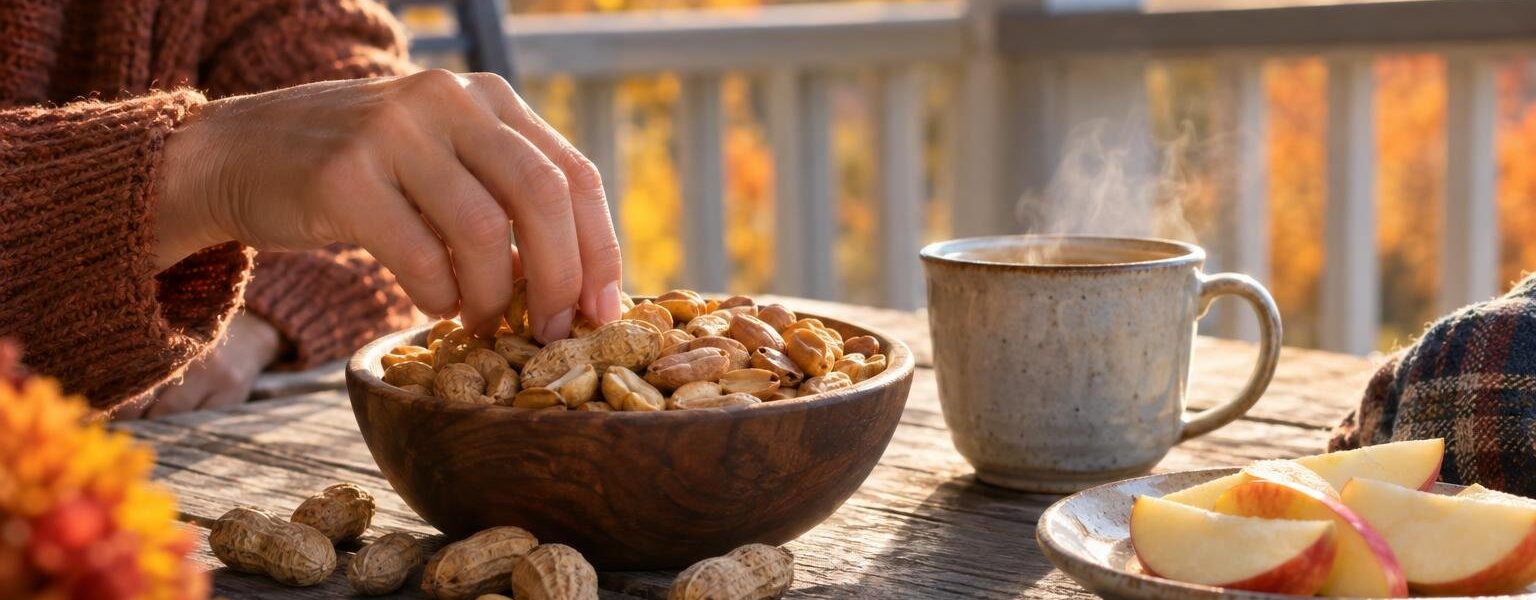
I love research like this because it reminds us that the path to better health is often found in simple places. A small bowl of peanuts on the porch, a walk in the morning air, a good night’s sleep, a quiet prayer of thanks. None of these are complicated, yet together they add up.
Stay honest about what the science says and what it does not. This was a small, industry-funded study in healthy people, and it measured a marker rather than a disease. Still, it adds one more reason to choose whole, God-given foods over processed snacks, and that is a choice you can make today.
You are fearfully and wonderfully made (Psalm 139:14), and your brain is a marvel of God’s design. Care for it with patience, with hope and with joy. I am cheering you on.
Dr. Don Colbert, MD
Sources
- Scientists discover a surprising brain benefit of eating peanuts every day, ScienceDaily (source: The Peanut Institute), 2026
- Kerkhof L, Mensink RP, Plat J, Nijssen KMR, Joris PJ. Daily consumption of unsalted, skin-roasted peanuts beneficially affects regional brain insulin responsiveness in older adults: results of a longer-term randomized controlled trial, Food & Function, 2026
- New research finds daily peanut consumption beneficially affects brain insulin responsiveness, EurekAlert! / The Peanut Institute, 2026
- Effects of Peanut Consumption on Brain Function (NCT05724654), ClinicalTrials.gov
- Impact of Nut Consumption on Cognition across the Lifespan (Nishi et al.), Nutrients, via PubMed Central
- Will Eating Nuts Help You Ward Off Cognitive Decline?, American Society for Nutrition
- Nuts for the Heart, Harvard T.H. Chan School of Public Health, The Nutrition Source
- Nuts and your heart: Eating nuts for heart health, Mayo Clinic
- 4 Reasons Peanuts Are Good for You, Cleveland Clinic
Was this helpful?
Get Dr. Colbert's weekly health tips
Simple, faith-filled health tips in your inbox once a week. Plus a free gift: the 21-Day Keto Zone Challenge.
Unsubscribe anytime. We never share your email.
What stood out to you most, and have you tried any of this yourself?
Tell us on Facebook