
Need Thyroid or Hormone Support? 12 Signs and a Self-Check Quiz

Last reviewed and updated: October 30, 2026
A woman’s body is always changing. Hormones rise and fall across the month, across the decades, and especially through perimenopause and menopause. Your thyroid, the small gland at the base of your neck, sets the pace for your metabolism, energy and temperature. When either system drifts out of balance, you can feel “off” long before anyone gives it a name.
The good news is that most of these changes can be understood, tested and supported. This article gives you a quick self-check quiz, explains which symptoms point toward the thyroid and which point toward sex hormones, and walks through the lab tests and everyday habits that help.
Thyroid and Hormone Self-Check Quiz
Read each statement and count how many are true for you over the last three months.
- You feel tired most of the time, and rest does not seem to fix it.
- You are more sensitive to cold (or heat) than you used to be.
- Your weight is creeping up even though your eating has not changed.
- You have lost weight without trying.
- Your hair is thinning, including the outer part of your eyebrows.
- You notice new, unwanted facial hair.
- You have new adult acne, especially along the jawline.
- Your muscles or joints feel stiff, achy or weak.
- You have hot flashes, night sweats or heavy daytime sweating.
- You have new bladder leakage.
- You have trouble falling asleep or staying asleep.
- You feel like you are in a constant PMS state: anxious, irritable, bloated or overwhelmed.
What your score means
If three or more statements are true, it is worth talking with your doctor and asking about thyroid and hormone testing. This quiz is not a diagnosis. Many of these symptoms overlap with other conditions, including anemia, sleep problems, depression and blood sugar issues, which is exactly why lab work matters.
Thyroid Signs vs. Hormone Shift Signs
Several symptoms overlap, but there are patterns.
Signs that often point to an underactive thyroid
The most common symptoms of hypothyroidism are fatigue, feeling cold, constipation, dry skin, weight gain, a slowed mind and voice changes (1). Clinical hypothyroidism affects about 1 in 300 people in the US, and subclinical (mild) hypothyroidism affects about 3.7%. It is far more common in women than in men, and more common with age (1). An overactive thyroid can do the opposite: weight loss, heat intolerance, a racing heart and anxiety.
Signs that often point to changing sex hormones
Hot flashes, night sweats, sleep disruption, mood changes, vaginal dryness and bladder changes are classic symptoms of the menopause transition (2). Acne along the jawline and new facial hair can reflect a shift toward relatively more androgen activity, which is seen in conditions such as polycystic ovary syndrome (PCOS) and sometimes after menopause.
Because the two systems talk to each other, it is common to have both at once. That is why I like to test rather than guess.
Tests to Ask Your Doctor About
- TSH (thyroid-stimulating hormone): the main screening test. A high TSH suggests an underactive thyroid (1, 3).
- Free T4: helps tell mild (subclinical) hypothyroidism apart from overt hypothyroidism (1).
- Thyroid antibodies (TPO): a positive result suggests an autoimmune cause such as Hashimoto’s thyroiditis (1).
- Sex hormones when indicated: estradiol, progesterone, FSH, testosterone and SHBG, depending on your age and cycle.
- Related labs: vitamin D, ferritin (iron stores), B12 and fasting glucose, since low levels or high blood sugar can mimic hormone symptoms.
If you are diagnosed with hypothyroidism, standard treatment is thyroid hormone replacement prescribed by your doctor (1, 3). Supplements are not a substitute for that medication. Never stop or change a prescription without talking with your physician.
Daily Habits That Support Thyroid and Hormone Balance
1. Get the key thyroid nutrients from food
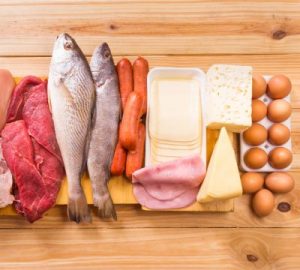
Your thyroid needs iodine to make hormone and selenium to protect itself and to convert T4 into the active hormone T3. Selenium is found in the thyroid in high concentration, and research links low selenium status to autoimmune thyroid problems (4). Good food sources include seafood, eggs, iodized salt, and Brazil nuts (one or two is plenty). Zinc and iron matter too. More iodine is not always better; too much can also disturb the thyroid.
2. Eat cruciferous vegetables
Broccoli, cauliflower, cabbage and Brussels sprouts contain compounds the body turns into DIM (diindolylmethane), which is involved in how the body processes estrogen. I explain more in how DIM may help balance hormones during menopause. Cooking these vegetables is fine and makes them easier to digest.
3. Balance blood sugar
Swings in blood sugar and insulin affect estrogen, testosterone and cortisol. Build meals around protein, fiber, vegetables and healthy fats, and limit sugar and refined carbs. Many women over 40 do well on a lower-carb approach; see how keto affects women’s hormones after 40.
4. Protect sleep and manage stress
Chronic stress keeps cortisol elevated, which can worsen fatigue, belly weight and sleep. Aim for 7 to 8 hours, keep a regular schedule, and build in daily stress relief: a walk, prayer, deep breathing or time outdoors. If fatigue is your main symptom, read why you are always tired.
5. Strength train
Muscle helps blood sugar, metabolism and bone health, which all become more important as estrogen falls. Two or three sessions a week of resistance training is a good goal.
6. Keep vitamin D in range
Vitamin D acts more like a hormone than a vitamin and supports bones, muscles and immune health. Ask your doctor to check your level. I discuss forms of vitamin D in vitamin D3 vs D2.
“I will praise thee; for I am fearfully and wonderfully made: marvellous are thy works; and that my soul knoweth right well.”
Psalm 139:14 (KJV)
Where Supplements Fit
Once you have talked with your doctor and have a plan, some women choose targeted nutritional support alongside healthy habits. I formulated a few options for that purpose:
- Thyroid Zone is designed to support healthy thyroid function, energy and metabolism with nutrients such as iodine, selenium and zinc along with herbal extracts.
- Hormone Zone is designed to support healthy hormone balance, with DIM plus vitamins D3 and K2.
- The Hormone Zone Starter Pack bundles thyroid, adrenal and hormone balance support in one place.
Thyroid Zone and Hormone Zone may be used together. Because Thyroid Zone contains iodine and herbs, check with your doctor first if you take thyroid medication, are pregnant or nursing, or have a thyroid condition. Men looking for support can read about Testosterone Zone, which features Testofen® fenugreek extract.
For more ways to rebuild energy, visit our More Energy hub.
Bottom Line
Fatigue, weight changes, poor sleep, hot flashes and mood swings are common, but they are not something you simply have to accept. Take the self-check quiz, bring your answers to your doctor, and ask for the right tests. Then build the daily habits that support your thyroid and hormones, and add targeted nutritional support if it fits your plan. You can feel like yourself again.
Frequently Asked Questions
What are the first signs of thyroid problems in women?
Common early signs of an underactive thyroid include fatigue, feeling cold, constipation, dry skin, weight gain and thinning hair. Because these overlap with other conditions, a TSH blood test is the usual first step.
How can I tell if it is my thyroid or menopause?
Hot flashes and night sweats point more toward menopause, while feeling cold, constipation and dry skin point more toward the thyroid. Many symptoms overlap, so blood tests for TSH, free T4 and sex hormones help sort it out.
What blood tests check thyroid and hormone levels?
TSH is the main thyroid screening test, with free T4 and thyroid antibodies when needed. Depending on your age and cycle, your doctor may also check estradiol, progesterone, FSH, testosterone and SHBG.
Can supplements replace thyroid medication?
No. If you have diagnosed hypothyroidism, thyroid hormone prescribed by your doctor is the standard treatment. Supplements may support overall nutrition but should never replace medication.
Which nutrients support thyroid health?
Iodine and selenium are especially important, and zinc and iron also play roles. Seafood, eggs, iodized salt and a Brazil nut or two are good food sources. Too much iodine can also cause problems.
References
- Wilson SA, Stem LA, Bruehlman RD. Hypothyroidism: diagnosis and treatment. American Family Physician. 2021.
- Santoro N, Epperson CN, Mathews SB. Menopausal symptoms and their management. Endocrinology and Metabolism Clinics of North America. 2015.
- Garber JR, et al. Clinical practice guidelines for hypothyroidism in adults (AACE and ATA). Endocrine Practice. 2012.
- Ventura M, Melo M, Carrilho F. Selenium and thyroid disease: from pathophysiology to treatment. International Journal of Endocrinology. 2017.
This article is for educational purposes only and is not medical advice. Talk with your own doctor before changing your diet, starting a supplement, or changing any medication. These statements have not been evaluated by the Food and Drug Administration. Products mentioned are not intended to diagnose, treat, cure, or prevent any disease.
Was this helpful?
Get Dr. Colbert's weekly health tips
Simple, faith-filled health tips in your inbox once a week. Plus a free gift: the 21-Day Keto Zone Challenge.
Unsubscribe anytime. We never share your email.
What stood out to you most, and have you tried any of this yourself?
Tell us on Facebook