Dr. Colbert’s Broadcast · Episode 1
Phase 1 & Phase 2: The Detox Process Your Body Needs
In this episode, Dr. Don Colbert, MD, Mary Colbert, and Kyle Colbert explain why the liver is one of the body’s most overworked and undernourished organs, how Phase 1 and Phase 2 detoxification work, and the foods, nutrients, water, fiber, and daily habits that help support the body’s natural detox pathways.
Important note
This article is for educational purposes only and is not medical advice. If you have liver disease, jaundice, cirrhosis, hepatitis, fatty liver, abnormal liver labs, unexplained swelling, or any serious health concern, consult a qualified healthcare professional. Do not start or stop medications, supplements, fluid restriction, or detox protocols without medical guidance.
Phase 1 Detox
Phase 2 Detox
Fatty Liver Support
Glutathione
Keto Zone
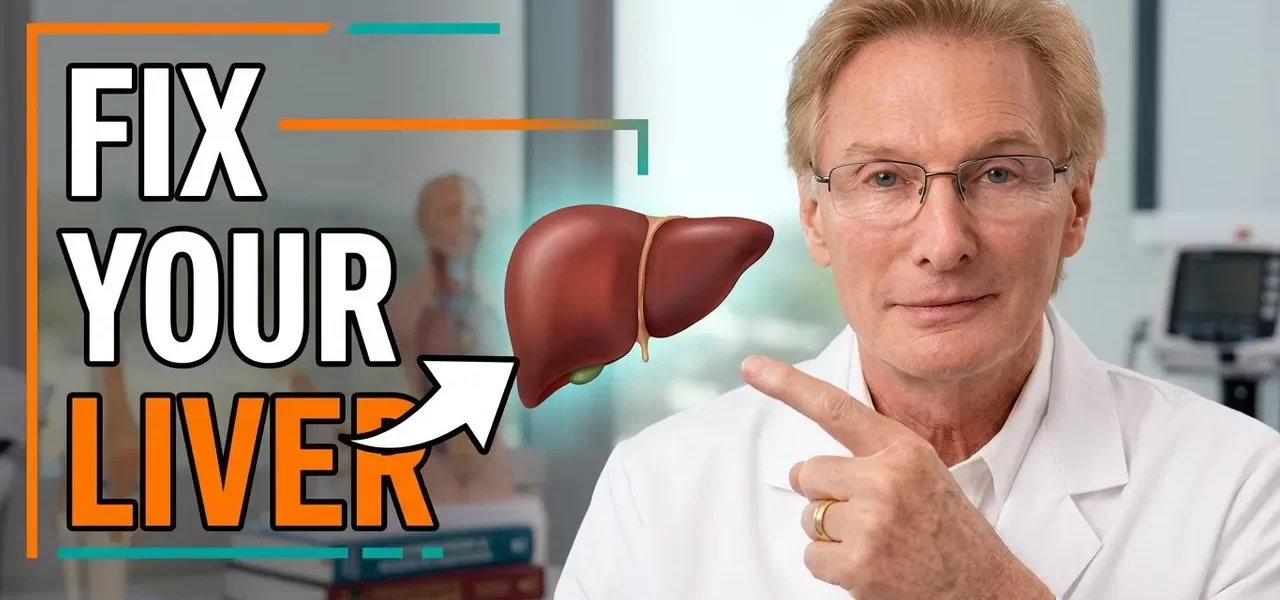
Your liver is not a “minor” organ. According to Dr. Colbert, it is one of the most overworked organs in the body, performing more than 500 functions while constantly filtering the toxins we encounter through food, water, air, alcohol, medications, and everyday environmental exposures.
The problem is that most people do not think about their liver until something goes wrong. Fatigue, fatty liver, abnormal liver enzymes, swelling, jaundice, poor bile flow, constipation, and toxin overload can all point back to a body that is struggling to process and eliminate what it was never designed to carry long-term.
Functions performed by the liver
Approximate share of Americans Dr. Colbert says have fatty liver
People Dr. Colbert says do not get enough fiber
Why the Liver Matters More Than Most People Realize
In the broadcast, Dr. Colbert calls the liver the body’s “secret organ” because most people underestimate it. It is not just involved in detoxification. It helps process nutrients, metabolize fats, regulate blood chemistry, make bile, filter waste, and protect the body from toxic overload.
But the modern liver is under constant pressure. Dr. Colbert points to toxins in food, toxins in water, highly processed carbohydrates, sugar, alcohol, caffeine, and low-fiber diets as part of the burden. Over time, that burden can interfere with the body’s ability to process toxins efficiently.
“The liver has over 500 duties it’s supposed to perform.”
— Dr. Don Colbert, MD
🧪
Helpful Factoid
Detoxification is not just about “taking a cleanse.” The liver uses complex biochemical pathways, nutrients, enzymes, antioxidants, amino acids, bile, water, and fiber to process and remove toxins.
The Fatty Liver Epidemic: Why Diet Matters
Dr. Colbert explains that fatty liver is now extremely common, and he ties much of it to diet. In the episode, he highlights sugar, sodas, sweetened beverages, desserts, white bread, white rice, pasta, bagels, pretzels, chips, and other highly processed carbohydrates as major contributors.
These foods rapidly convert to sugar and can contribute to fat accumulation in the liver. That matters because the liver cannot perform optimally when it is inflamed, overburdened, or filled with excess fat.
⚠️ Warning Sign
Fatigue Can Be a Clue
Dr. Colbert notes that when people are living with a toxic burden, one of the major symptoms can be fatigue. If you are chronically tired, especially with abnormal labs or other symptoms, talk with a qualified healthcare professional.
Phase 1 Detoxification: The Liver’s First Processing Step
Phase 1 detoxification is the first major step in the liver’s detox process. Dr. Colbert explains that the liver uses enzymes known as cytochrome P450 enzymes to begin transforming toxins. These enzymes help convert fat-soluble toxins into more water-soluble substances so the body can prepare them for removal.
But Phase 1 needs to be balanced. Dr. Colbert explains that caffeine and alcohol can speed up Phase 1, potentially creating more toxic intermediates and more free radical activity. That is why antioxidants are so important.
Phase 1 Fuel
Cruciferous Vegetables
Broccoli, cauliflower, Brussels sprouts, cabbage, kale, watercress, and especially sprouts help fuel Phase 1 pathways.
Antioxidant Support
Glutathione & Flavonoids
Dr. Colbert calls glutathione the liver’s master antioxidant and master detoxifier.
Cofactors
B Vitamins & Minerals
B2, B3, B6, folate, B12, magnesium, and zinc act like “spark plugs” for detox enzyme activity.
Doctor-Formulated Support
A Simple Way to Add Cruciferous Superfoods Daily
Dr. Colbert discusses the importance of cruciferous vegetables, sprouts, antioxidants, and daily liver support. Green Supremefood is one simple way to add fermented vegetables, grasses, probiotics, and enzymes into your routine.
Phase 2 Detoxification: Binding Toxins for Removal
Phase 2 is where the body takes the processed toxin from Phase 1 and attaches it to substances such as amino acids, sulfur compounds, glutathione, glycine, or other conjugation pathways. In simple terms, Phase 2 helps make toxins easier to eliminate through bile or urine.
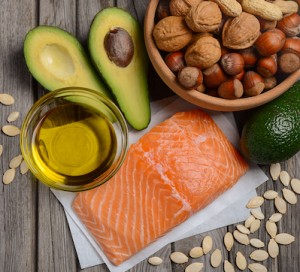
This is why protein matters. Dr. Colbert explains that Phase 2 detoxification depends heavily on amino acids from healthy protein sources. He recommends clean proteins such as low-mercury wild fish, organic pasture-raised eggs, pasture-raised chicken and turkey, and selected nuts and seeds for amino acid support.
💪
Phase 2 Key
Phase 2 needs amino acids. That means protein is not optional if you want to support your body’s natural detoxification pathways.
Bile Flow, Fiber, and Elimination: Where Many Detoxes Fail
Dr. Colbert explains that detoxification does not end when the liver processes a toxin. That toxin still has to leave the body. Bile helps carry toxins from the liver into the intestines. Then fiber helps bind those toxins so they can be eliminated through the stool.
Without enough fiber, toxins can be reabsorbed. Dr. Colbert warns that this is where many detox programs fail: they stimulate detox pathways but do not provide the fiber, water, bile flow, and bowel support needed for complete elimination.
“Without fiber, it’s recycling.”
— Dr. Don Colbert, MD
Water
Dr. Colbert recommends filtered water, especially reverse osmosis, to reduce toxic exposure.
Bile Flow
Beets, artichoke, olive oil, avocado oil, and liver-supportive nutrients can support healthy bile flow.
Fiber
Fiber helps bind toxins in the gut so they can be carried out instead of being reabsorbed.
Liver & Bile Support
Support the Detox Pathway from Liver to Gut
Dr. Colbert highlights nutrients such as NAC, beetroot, artichoke, fiber, magnesium, and clean water as part of a complete detox-support strategy.
Dr. Colbert’s Complete Detox Support Framework
The big takeaway from Episode 1 is that detoxification is a system, not a single supplement. You need to support each part of the pathway so the body can process, neutralize, move, bind, and eliminate toxins.
✦ Dr. Colbert’s Detox Roadmap
The Full Pathway
Step 1
Fuel Phase 1
Cruciferous vegetables, sprouts, B vitamins, magnesium, zinc, and antioxidants.
Step 2
Support Phase 2
Healthy proteins, amino acids, sulfur-rich foods, glutathione, and antioxidant-rich foods.
Step 3
Move the Bile
Filtered water, beets, artichoke, olive oil, avocado oil, and bile-flow support.
Step 4
Bind & Eliminate
Soluble and insoluble fiber, magnesium, water, and regular bowel movements.
✦ Dr. Colbert’s Faith Perspective
Your Body Was Designed to Heal and Restore
Dr. Colbert reminds viewers that the body is fearfully and wonderfully made. The liver’s detoxification system is not an accident. It is an elegant design that needs the right raw materials to function well.
“I praise you because I am fearfully and wonderfully made.” — Psalm 139:14
Practical Next Steps
If you want to start supporting your liver’s natural detox process, begin with the fundamentals. Do not overcomplicate it. Start with water, food, fiber, and daily nutrients.
- Drink filtered water, ideally reverse osmosis.
- Reduce sugar, sodas, sweetened beverages, and processed carbohydrates.
- Eat cruciferous vegetables daily: broccoli, cauliflower, Brussels sprouts, cabbage, kale, watercress, and sprouts.
- Get enough clean protein to support Phase 2 detoxification.
- Add antioxidant-rich foods like berries, citrus, apples, green tea, and high-quality olive oil.
- Support bile flow with beets, artichoke, olive oil, avocado oil, and liver-supportive nutrients.
- Increase fiber to bind toxins and support elimination.
- Follow a healthy Keto Zone or Mediterranean-style diet to reduce the sugar and starch burden on the liver.
Final Word: Detox Is a System, Not a Shortcut
Dr. Colbert’s message is direct: liver detoxification works best when you support the entire system. Phase 1 needs cruciferous vegetables, cofactors, and antioxidants. Phase 2 needs protein, amino acids, sulfur-rich foods, and glutathione. Bile flow needs water and liver-supportive nutrients. Elimination needs fiber.
Put the whole pathway together, and the body can do what God designed it to do: process, neutralize, and eliminate what does not belong.