7 Pillars of Health: How Stress, Trauma, and Unforgiveness Affect Your Health | Dr. Don Colbert, MD Ep. 2
Dr. Colbert’s Broadcast • 7 Pillars of Health
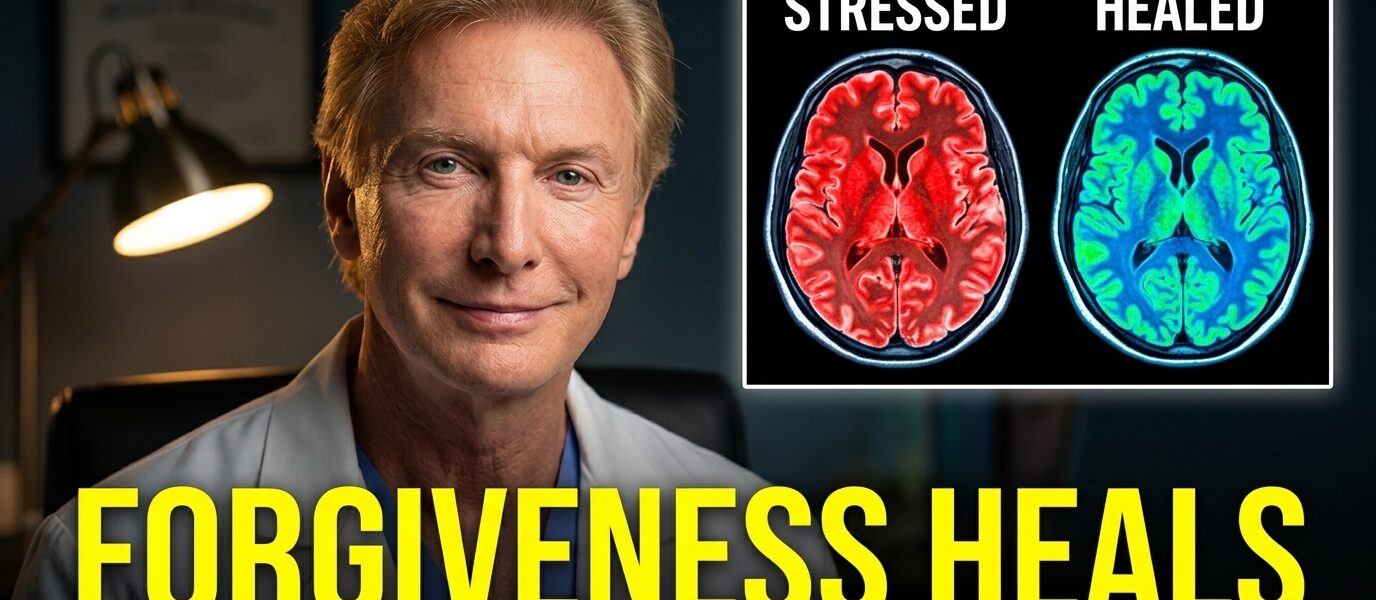
7 Pillars of Health: How Stress, Trauma, and Unforgiveness Affect Your Health | Dr. Don Colbert, MD Ep. 2
In Episode 2 of 7 Pillars of Health, Dr. Don Colbert, MD, Mary Colbert, and Kyle Colbert dig deeper into one of the most overlooked drivers of poor health:
the body’s stress response. This episode connects chronic stress, trauma, elevated cortisol, unforgiveness, and fear-based thinking to real physical consequences
like tension headaches, TMJ, blood sugar issues, weight gain, high blood pressure, brain fog, and burnout.
Important note
This article is for educational purposes only and is not medical advice. If you are dealing with severe trauma, panic symptoms, depression, chronic anxiety,
sleep disruption, or ongoing health concerns, consult a qualified healthcare professional or licensed counselor. Forgiveness does not mean ignoring wisdom,
removing healthy boundaries, or staying in unsafe situations.
Episode overview
Episode 2 moves beyond the general topic of grudges and gets into the mechanics of what stress actually does inside the body.
Dr. Colbert explains the classic fight, flight, or freeze response, how adrenaline and noradrenaline affect the brain and body, and how trauma can get
“stuck” when that alarm system never fully resets.
The discussion is practical and highly relatable. The episode connects chronic stress to muscle tension, headaches, digestive issues, blood pressure elevation,
cortisol-driven cravings, memory problems, poor concentration, and long-term burnout. At the center of the message is this: if you do not deal with stress,
trauma, and unforgiveness properly, they can quietly wear down your health.
What the stress response does to the body
Dr. Colbert describes the stress response as a built-in survival mechanism designed to help the body respond to danger. In a true emergency, it can sharpen focus,
redirect blood flow to the muscles and heart, and flood the body with quick energy to fight, flee, or freeze.
According to the episode, this stress response can lead to:
- Hyperfocus and heightened alertness
- Muscle tightening throughout the body
- Blood flow shifting away from digestion
- Higher heart rate and blood pressure
- Release of sugar and fats into the bloodstream for fast fuel
The real problem begins when this response never fully turns off. What was meant to protect you in a moment can become a long-term pattern that strains the brain,
nervous system, hormones, metabolism, and emotional health.
The real-life trauma story that illustrates fight, flight, and freeze
One of the most memorable parts of the episode is the family’s story about a violent pit bull attack many years ago. The reason the story matters is not just the danger itself.
It clearly shows the three different responses that can happen during trauma: fight, flight, and freeze.
In the story, Kyle fled and fought, Danny fought, and Mary froze. Even after the event ended, the trauma stayed lodged in Mary’s body in a different way.
Her shoulders remained elevated, her fists stayed clenched, and the event kept replaying internally. That becomes the episode’s clearest example of how a trauma response can get stuck.
This section gives the article emotional depth and makes the teaching far more practical. It shows how two people can go through the same event and carry it very differently afterward.
How cortisol can affect weight, blood sugar, blood pressure, and focus
The episode then shifts into the next stage of stress: elevated cortisol. Dr. Colbert explains that when cortisol stays high, it does not just leave people feeling mentally stressed.
It can start driving appetite, especially cravings for sugar and starch, while also pushing the body toward weight gain, metabolic issues, and cardiovascular strain.
Health effects discussed in the episode include:
- Increased cravings for sugary and starchy foods
- Weight gain and difficulty controlling appetite
- Higher blood pressure
- Higher triglycerides and poor metabolic health
- Brain fog, reduced concentration, and memory issues
- Long-term exhaustion and burnout when the system crashes
This is where the episode becomes highly relevant for people trying to improve body composition, energy, mental sharpness, and overall resilience.
Chronic stress can quietly sabotage progress in every one of those categories.
Forgiveness, trust, and healing
One of the strongest moments in this episode is the discussion around forgiveness and trust. Mary raises an important distinction:
people often say trust must be earned, but healing after a relational wound can be more complicated than that.
Forgiveness
Letting go of bitterness, offense, and the constant replaying of wrongs.
Trust
A separate process that may involve time, discernment, changed behavior, and spiritual maturity.
Healing
Often requires reframing, gratitude, prayer, emotional processing, and in some cases professional support.
The healing turning point in the story came when Mary reframed the traumatic memory around God’s protection and gratitude. That shift helped calm the lingering stress response.
It is one of the most practical and spiritually powerful lessons in the whole episode.
Practical ways to calm stress and begin healing
The episode does not stop at diagnosis. It gives listeners practical ways to begin resetting a stuck stress response and moving toward peace.
1) Practice forgiveness daily
Do not keep a mental record book of wrongs. Releasing offense is part of protecting your health.
2) Reframe the trauma
Shift your attention from what almost happened to how God protected, sustained, or carried you through it.
3) Use gratitude to interrupt fear
Thankfulness can help redirect the mind and soften the body’s stress chemistry.
4) Exercise consistently
Exercise is one of the best ways to burn off stress chemicals and support recovery.
5) Seek deeper support when needed
The episode mentions tools like EMDR and other trauma-focused approaches for people who feel trapped in old wounds.
Bottom line
Stress that never resolves can affect the whole body. This episode makes the case that healing requires both spiritual and practical action.
Resources and next steps
If this episode exposed an area where stress, trauma, fear, or unforgiveness has been affecting your health, do not ignore it. Watch the full episode,
slow down enough to identify where your body is holding stress, and take intentional steps toward healing. For some people, that may involve prayer,
gratitude, exercise, healthier daily rhythms, and counseling support.
Quick reflection checklist
- Where is stress showing up in my body right now?
- Am I clenching, bracing, or replaying something unresolved?
- Is fear or offense shaping my sleep, appetite, or energy?
- Do I need forgiveness, wise boundaries, or both?
- What one practical step can I take today to start resetting my stress response?