
GLP-1 Medications in 2026: Medical Supervision & Micro-Dosing Matter | Dr. Don Colbert Ep. 2
Walking in Divine Health • 2026 Special
GLP-1s in 2026: The “Start Low, Go Slow” Playbook + How to Pair Them with Keto Zone Strategy
Dr. Don Colbert, MD sits down with Kyle Colbert and Mary Colbert to break down what GLP-1 medications actually do, why micro-dosing matters, and the non-negotiables that help people avoid the most common pitfalls (GI issues, muscle loss, and hair thinning) while building a sustainable path forward.
Important note
This video is educational and not medical advice. GLP-1 medications can have serious side effects and should be used only under the supervision of a qualified clinician. If you are considering GLP-1s, consult your primary care physician and complete appropriate lab monitoring.
What GLP-1s actually do in the body
In this conversation, Dr. Colbert explains GLP-1 medications as a three-lever tool: they influence appetite signaling in the brain, slow gastric emptying in the gut, and improve blood sugar regulation through insulin-related pathways. When those levers are used responsibly, they can reduce “food noise” and support meaningful fat loss for the right patient.
- Brain: turns down appetite signaling and cravings.
- Gut: slows gastric emptying so food stays in the stomach longer.
- Blood sugar: supports steadier glucose and fewer spikes that can drive weight gain.
Why “start low, go slow” is the difference-maker
Dr. Colbert’s position is straightforward: GLP-1s can produce real results, but the dose strategy matters. He advocates micro-dosing and gradual increases to reduce the likelihood of side effects that derail progress.
“Start very low and go very slow.” The goal is results without getting crushed by side effects.
He also emphasizes practical habits that can immediately reduce discomfort: smaller meals, chewing thoroughly, avoiding lying down right after eating, and clinician-led lab monitoring when appropriate.
Keto Zone adjustments when using GLP-1s
The Keto Zone approach is typically higher in healthy fats, but GLP-1s can change the rules for some people because delayed gastric emptying plus heavy fat intake can increase nausea and reflux. The practical solution discussed in the video: reduce total fat intake (often to half or even one-third of typical Keto Zone levels) while keeping the highest-quality anti-inflammatory fats.
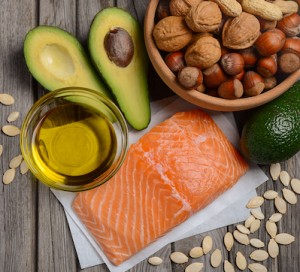
High-quality fats emphasized:
- Extra virgin, high-polyphenol olive oil
- Avocado oil
- Flax seed oil
- Selected nuts and nut oils (e.g., macadamia, almond)
Avoiding the big pitfalls: GI issues, muscle loss, hair thinning
The “hidden cost” of aggressive appetite suppression is that people can under-eat protein, lose lean mass, and then rebound later because their metabolic capacity drops. This segment is the tactical heart of the episode: protect your lean mass and nutrient intake while still benefiting from appetite control.
1) Common GI side effects
- Nausea, vomiting, acid reflux
- Delayed gastric emptying (food sits longer)
- Potential risks that require clinician oversight (discussed in the video)
2) Protein is not optional
Dr. Colbert repeatedly reinforces protein intake as a cornerstone, especially if appetite is suppressed. The theme is simple: if you don’t protect muscle, you lose your metabolic “currency.”
Key takeaways discussed:
- Prioritize daily protein to reduce lean mass loss.
- Add resistance training 2 to 3 times per week to preserve muscle.
- Use practical protein options if full meals are difficult (as discussed in the episode).
3) Hair + skin support during weight loss
Rapid weight loss can expose nutritional gaps. The conversation highlights collagen and amino support as part of a broader strategy to help people maintain appearance-related confidence while focusing on the bigger goal: long-term health, strength, and mobility.
Next steps + resources
If you want structure and accountability, start with the free 21-day Keto Zone Challenge and build the fundamentals first. If you’re already on GLP-1s, use the principles in this episode to protect your outcomes: nutrition, protein, fiber, resistance training, and clinician monitoring.
If you’re exploring GLP-1s, Dr. Colbert recommends working with your primary care physician whenever possible so side effects and lab markers can be monitored appropriately.