

Last reviewed and updated: October 17, 2026
If you’re ever short on time when cooking dinner, you might want to find quick, easy convenient recipes.
I sure do.
Many people bypass the fresh produce section and opt for frozen vegetables.
But, are they okay nutritionally? Are they allowed on Keto Zone?
Here are the facts and truth about frozen vegetables vs. fresh, and whether they are allowed on Keto Zone.
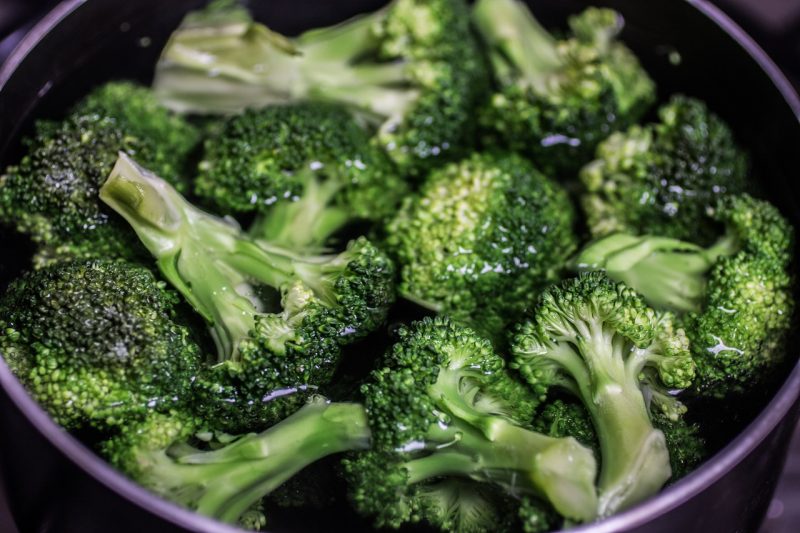
Keto Zone Coconut Balsamic Broccoli
Ingredients
- 3-4 cups frozen broccoli (or any low-carb veggies you like)
- 2 Tbsp organic coconut oil, avocado oil, or butter
- minced garlic or garlic powder
- salt
- 2 Tbsp balsamic vinegar (or red wine vinegar, or raw apple cider vinegar)
Instructions
- Place frozen veggies in large skillet or wok. Add 1/2″ water to the bottom.
- Cook and stir vegetables over medium-high heat until warmed.
- Add oil and add garlic (if fresh). Saute until veggies become slightly crisp, about 3-4 minutes. Add salt to taste and garlic powder (if needed) while cooking.
- Plate and drizzle with balsamic vinegar.
Calories 100
Fat 7g
Net Carbs 4g
Fiber 3g
Protein 3g
Nutrition figures are those originally published with this recipe and are approximate — they vary with brands, substitutions and portion size.
Ready to put this recipe to work? Dr. Colbert’s free 21-Day Keto Zone Challenge gives you the meal plans, shopping lists and daily coaching to get your body burning fat for fuel. Join the Keto Zone Challenge Free →
Hungry for more?
Explore Dr. Colbert’s full library of physician-designed recipes built around real food, healthy fats and clean ingredients.
Why Vegetables? So Much Great Nutrition
Whether raw, cooked, fresh or frozen, vegetables ought to be a big part of your Keto Zone diet.
Vegetables offer so many good things for our bodies. On the one hand, they offer phytochemicals (these nutrients fight disease), vitamins, minerals, fiber, and all sorts of nutrients that are not even fully understood.
Some vegetable nutrients, or combinations of them, are linked to cancer prevention, a lower risk of heart disease, and overall wellness (1).
And on the other hand, they are a great tool in helping us control portions of foods that aren’t as beneficial. They fill you up on a lot of great nutrition.
Vegetables and Keto Zone
While healthy fats are the stars of Keto Zone, proteins and low-carb vegetables are great supporting foods.
Why do vegetables work? Unlike most fruits, they are low-carb and fit into Keto Zone eating well. You can still get into and stay in ketosis while eating low-carb vegetables.
Consider this: Most low-carb vegetables like broccoli, bell peppers, greens and more contain about 25 calories and 5 grams of carbs per serving. About 2-3 of those carbs are fiber.
If you add 1 tablespoon of healthy oil like olive oil, a healthy flavoring like raw apple cider vinegar, salt, and pepper, you’ve got a salad that contains ~145 calories, 14 grams fat, 2 grams net carbs. That means it’s 87% fat (a healthy, anti-inflammatory fat), perfect for Keto Zone!
The Nutrition Truth About Frozen Vegetables
Believe it or not, frozen vegetables can be as nutritious, and in some cases, more nutritious than fresh. Why?
In many cases, vegetables that are sold as fresh are picked before they are ripe in order to have the most time available for transport to the supermarket or storage without spoilage.
Even so, they can lose a lot of nutrition during the shipping and storage process. For example, research on packaged fresh spinach has found that it can lose a significant amount of its folate within about a week of refrigerated storage. Too much light, warmth, and time all take a toll on fresh vegetables.
Frozen vegetables are treated differently. They are typically picked when ripe, blanched (briefly heated) to stop the enzymes and kill the bacteria that cause spoilage, and then flash frozen on site. This preserves a lot of the nutrients (2). In fact, when researchers compared fresh, refrigerated, and frozen produce, frozen vegetables were generally similar to fresh ones, and fresh produce that had been stored for several days often came out behind (3).
Of course, if you grow your own vegetables or otherwise know they go from soil to your table within just a few days, this is likely the best option for nutrition and taste.
But, if they are stored and shipped long distances, frozen often holds up better.
Watch: Most Americans Need More Vegetables
In this short clip, I explain that most Americans eat only about one and a half servings of vegetables a day, which leaves them short on fiber.
How to Pick Frozen Vegetables
Like most “convenience foods,” you’ve still got to know how to pick them.
Choose: Any low-carb vegetables that are “plain.” The ingredient list should only have the vegetable.
Avoid: Any frozen vegetables with flavorings, sauces, preservatives, colorings, and more. Good frozen vegetables don’t need any of this. What’s more, if added, it’s usually cheap, inflammatory, junk ingredients like soybean oil, monosodium glutamate, sugars, and more.
Benefits of Broccoli
Broccoli is a superstar among vegetables.
Want to know more?
Here are 8 Proven Benefits of Broccoli, and one of my favorite soup recipes.
Bottom Line
Healthy Keto Zone eating doesn’t have to be time-consuming. Some convenient foods, like plain frozen vegetables, work great for Keto. Now you know the truth about frozen vegetables and how to add healthy fats for Keto Zone eating. Feel confident when buying frozen.
Frequently Asked Questions
Are frozen vegetables as healthy as fresh?
Often, yes. Frozen vegetables are usually picked ripe and frozen within hours, which locks in vitamins. Studies comparing fresh, refrigerated, and frozen produce have found frozen vegetables to be generally similar to fresh, and often better than fresh produce that has sat in the refrigerator for several days.
Are frozen vegetables keto-friendly?
Plain, low-carb frozen vegetables such as broccoli, cauliflower, spinach, green beans, Brussels sprouts, and zucchini fit well on Keto Zone. Limit higher-carb mixes with corn, peas, carrots, or potatoes, and skip vegetables packaged in sauces.
Do frozen vegetables lose nutrients when you cook them?
All cooking causes some loss of water-soluble vitamins like vitamin C and folate. To keep the most, cook frozen vegetables straight from the freezer and steam, saute, or roast them rather than boiling them in a lot of water.
Should I thaw frozen vegetables before cooking?
Usually not. Cooking straight from frozen helps keep their texture and nutrients. For roasting, spread them in a single layer on a hot pan so the extra moisture can evaporate and they brown instead of steaming.
How long do frozen vegetables last?
According to the USDA, food kept frozen at 0°F stays safe indefinitely, but quality slowly declines. For the best taste and texture, use frozen vegetables within several months to a year and keep bags tightly sealed to prevent freezer burn.
References
- Li L, Pegg RB, Eitenmiller RR, et al. Selected nutrient analyses of fresh, fresh-stored, and frozen fruits and vegetables. J Food Compos Anal. 2017.
- Rickman JC, Barrett DM, Bruhn CM. Nutritional comparison of fresh, frozen and canned fruits and vegetables. Part 1. Vitamins C and B and phenolic compounds. J Sci Food Agric. 2007.
- Aune D, et al. Fruit and vegetable intake and the risk of cardiovascular disease, total cancer and all-cause mortality: a systematic review and dose-response meta-analysis of prospective studies. Int J Epidemiol. 2017.
- U.S. Department of Agriculture, Food Safety and Inspection Service. Freezing and Food Safety.
This article is for educational purposes only and is not medical advice. Talk with your own doctor before changing your diet, starting a supplement, or changing any medication. These statements have not been evaluated by the Food and Drug Administration. Products mentioned are not intended to diagnose, treat, cure, or prevent any disease.
Was this helpful?
Get Dr. Colbert's weekly health tips
Simple, faith-filled health tips in your inbox once a week. Plus a free gift: the 21-Day Keto Zone Challenge.
Unsubscribe anytime. We never share your email.
What stood out to you most, and have you tried any of this yourself?
Tell us on Facebook









Comments are closed.