
Why You’re Still Tired, Moody & Congested in Spring (It’s Not Just Allergies)
Spring Depression
SAD Symptoms Spring
Serotonin & Sunlight
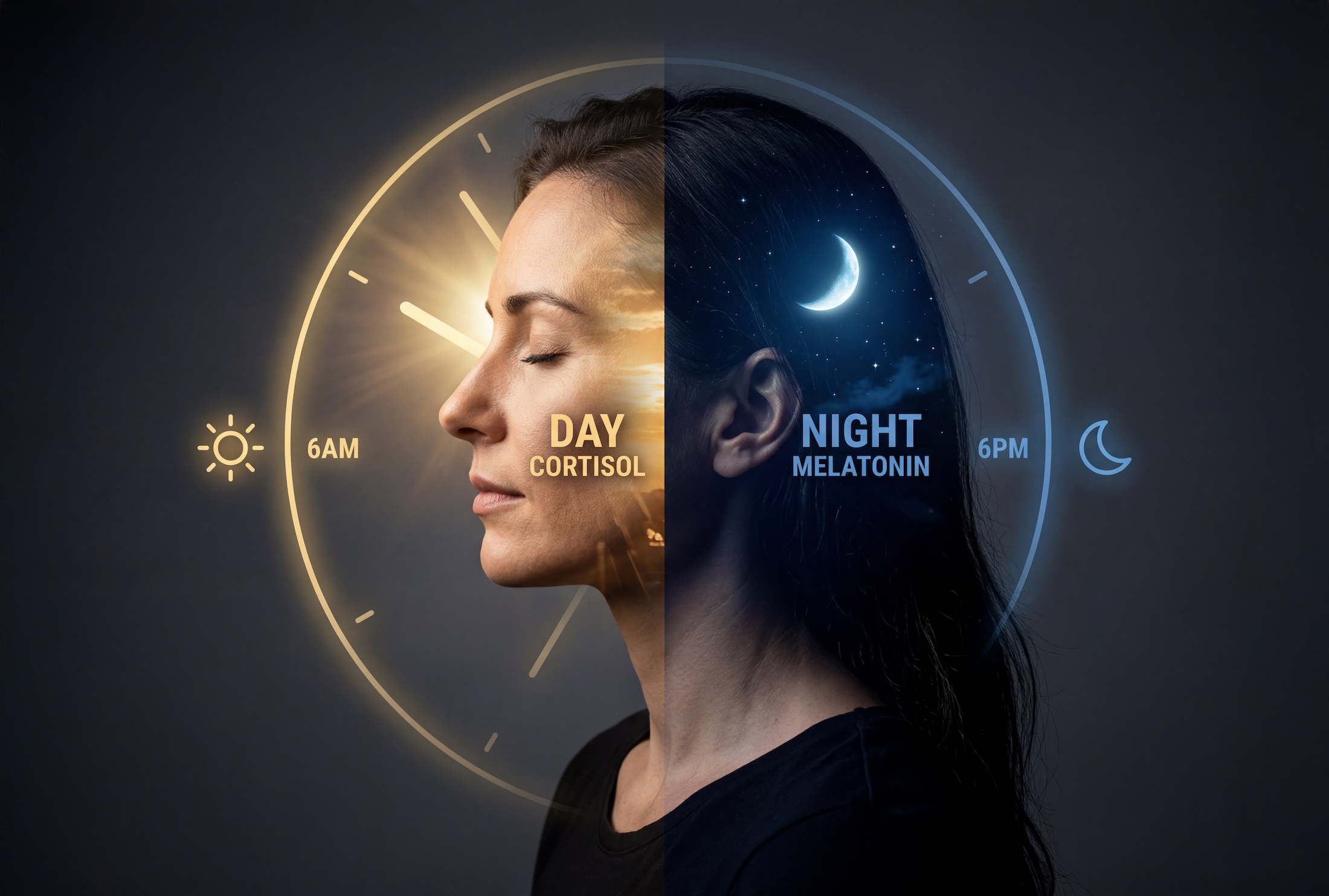
Circadian Rhythm Reset
Light Therapy Spring
Holistic Mental Health
Sinus & Mood Connection
Faith & Wellness
Picture this: the calendar flips to April. Flowers are blooming, birds are singing, the sun is actually staying up past 5 PM — and you… still feel awful. Flat. Empty. Moody. Congested. Like someone told you spring arrived but forgot to tell your brain.
You’re not alone – and more importantly, you are not broken.
As a physician who has treated patients for over 30 years, I’ve watched countless people suffer in silence every spring because they believe the season should have already “fixed” them. They wait. They wonder what’s wrong with them. They feel guilty for not feeling the joy and energy they see all around them. And too often, they miss a critical window to truly reclaim their health – body, mind, and spirit.
Today I want to pull back the curtain on one of the most underestimated seasonal health challenges of our time: Seasonal Affective Disorder (SAD) that lingers well into spring, and what God-designed, science-backed solutions can genuinely help you heal.
Americans diagnosed with SAD annually
Experience symptoms persisting into spring
More common in women than men
🌦️ What Is Seasonal Affective Disorder — Really?
Most people have a vague sense that SAD is “winter depression.” And they’re partly right. Seasonal Affective Disorder is a clinically recognized form of major depressive disorder that follows a predictable seasonal pattern, most commonly starting in fall or winter when daylight hours shrink and your brain’s serotonin and melatonin systems shift.
But here’s what the mainstream conversation almost completely misses:
💡
Did You Know?
According to the National Institute of Mental Health, SAD symptoms can persist — or even first emerge — in late spring. A recognized subtype called “Spring-onset SAD” causes insomnia, anxiety, agitation, and appetite loss, quite different from the sleepy, carb-craving winter version most people know.
Even in the more common winter-onset form, brain chemistry doesn’t flip a switch at the spring equinox. Months of low serotonin, disrupted circadian rhythms, and chronic low-grade inflammation don’t resolve overnight. Like a massive freight train, the momentum of a long winter requires deliberate, intentional intervention to bring your body to a new destination.
⚠️ Why Spring Can Be the Most Dangerous Season for SAD
Here’s a hard truth I feel compelled to share as both a physician and a man of faith: spring can create a uniquely dangerous window for people struggling with lingering SAD.
Multiple peer-reviewed studies have confirmed something counterintuitive — suicide rates peak in late spring and early summer, not during the darkest winter months. This surprises most people, but the mechanism makes sense once you understand it:
“Energy returns before mood fully stabilizes. The body wakes up before the spirit catches up. And that gap – between returning physical energy and unresolved emotional darkness — is where vulnerability lives.”
— Dr. Don Colbert, MD
A person who was too exhausted in January to act on dark thoughts may suddenly have the physical energy to do so in May, while their brain chemistry is still in a fragile, unresolved state. This is why we cannot treat spring as an automatic finish line for seasonal mood disorders.
📊
Recent Research
A 2024 analysis confirmed a bimodal pattern in seasonal mood vulnerability — peaks in late winter AND late spring. The spring peak is driven largely by serotonin system instability during the transition period, particularly in people with prior depressive episodes.
Watch for these spring-persisting SAD symptoms:
- Low motivation even when conditions are objectively good
- Irritability or anxious energy — restlessness without clear direction
- Sleep disruption — too much or sudden inability to sleep deeply
- Social withdrawal when everyone around you seems energized
- Persistent brain fog and difficulty concentrating
- Sadness or emotional emptiness that feels disconnected from your circumstances
- Sinus congestion, fatigue, and headaches — often dismissed as “just allergies” but directly tied to neuroinflammation and mood chemistry
✦ Dr. Colbert’s Faith Perspective
When Your Spirit Knows Something Your Body Doesn’t
I’ve sat across from patients with tears in their eyes in April who say, “Doctor, I feel guilty. It’s spring. I should be happy.” And I always say the same thing: You are not failing spring. Your body is still healing.
God designed the human body with extraordinary wisdom — including a neurochemical system that heals on its own timeline. The Word reminds us there is a season for everything. Healing is not always instant. Sometimes it is a journey, and in that journey, you are never alone.
“He gives strength to the weary and increases the power of the weak.” — Isaiah 40:29
✅ The Solutions: A Whole-Person Approach to Spring Renewal
This is where I get excited, because the good news is extraordinary. God has provided, through both natural design and medical science, powerful and practical tools to help your brain and body complete the seasonal transition. Let’s walk through each one:
☀️
Strategic Light Therapy
Don’t stop light therapy because the sun is out. Use a 10,000-lux light box for 20–30 minutes every morning through late May. Your circadian clock needs consistent photon input — not just warmer weather.
🌿
Nature Immersion
Research shows just 20 minutes in a natural environment — parks, gardens, trails — significantly reduces cortisol and stimulates serotonin. Daily nature exposure isn’t optional; it’s medicine.
🌙
Circadian Rhythm Reset
Keep consistent wake and sleep times as days lengthen. Use blackout curtains to prevent early sunrise from fragmenting your sleep. Your brain’s internal clock recalibrates gradually — not abruptly.
🥗
Anti-Inflammatory Nutrition
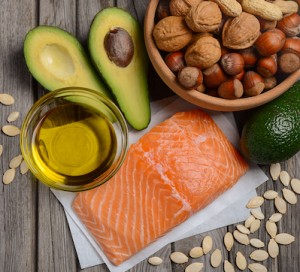
Prioritize tryptophan-rich foods (turkey, eggs, pumpkin seeds), omega-3 fatty acids, magnesium, and vitamin D. Eliminate refined sugar and alcohol — both destabilize serotonin metabolism significantly.
🧘
Movement as Medicine
Aerobic exercise 5 days per week is clinically proven as effective as antidepressant medication for mild-to-moderate depression. It triggers serotonin AND BDNF — your brain’s own natural growth and repair hormone.
🙏
Prayer & Community
Isolation amplifies every mood disorder. Spiritual practice and deep community connection are among the strongest protective factors against depression confirmed in research. You were not designed to heal alone.
🔬
Fast Fact
Serotonin production is highly light-dependent. A 2023 University of Copenhagen study found serotonin transporter activity was significantly lower on overcast spring days than sunny ones — which is why “technically spring” weather doesn’t automatically lift mood. Your brain responds to actual photons, not calendar dates.
⚠️ The Most Overlooked Solution
Your Sinuses Are Sabotaging Your Mood — And Nobody’s Talking About It
Here’s a connection almost no one makes publicly: sinus inflammation and seasonal allergies are directly tied to neurological mood dysregulation. When your sinuses are inflamed from pollen, allergens, or seasonal immune shifts, your body ramps up systemic inflammatory cytokines — molecules that cross the blood-brain barrier and directly suppress serotonin synthesis, disrupt deep sleep, amplify fatigue, and produce the very brain fog and emotional flatness that defines seasonal depression.
If you’re doing everything right for your mental health but still feel foggy, flat, and exhausted — your sinuses may be chemically reversing your progress. Addressing sinus and allergy burden has been a breakthrough intervention for many of my patients. It’s one of the most underutilized leverage points in spring mood recovery.
Dr. Colbert Recommends
Divine Health Healthy Sinus & Allergy Formula
Formulated by Dr. Don Colbert, MD, this physician-developed blend features Vitamin C, Quercetin, Stinging Nettle, and Bromelain — working together to support healthy sinus function, clear airways, and a balanced immune response, all without causing drowsiness. Reducing your inflammatory sinus burden this spring may be the missing link in your mood and energy recovery.
- ✔ Supports healthy sinus & respiratory function
- ✔ Quercetin & Bromelain for natural immune & inflammatory support
- ✔ Promotes clear airways and balanced immune response
- ✔ Non-drowsy — safe for daytime use
- ✔ Soy Free, Dairy Free, Gluten Free, Non-GMO
🕊️ The Faith Dimension: Seasonal Renewal Is a Spiritual Practice Too
I want to speak to you not only as a physician, but as a believer who has witnessed God work in ways that no supplement or therapy alone can explain.
Spring in Scripture is a deeply powerful metaphor for resurrection, renewal, and new beginnings. Song of Solomon 2:11–12 declares: “See! The winter is past; the rains are over and gone. Flowers appear on the earth; the season of singing birds has come.” This is not merely poetry. It is a declaration about the nature of how God designed seasons — including the seasons of our inner lives.
Just as the earth requires time to warm, thaw, and bloom after winter — so does the human nervous system. Spiritual renewal and biological renewal are not separate processes. They work together, and God is sovereign over both.
✦ A Word of Encouragement
Your Healing Has a Season — And It Is Coming
If you are still feeling the weight of winter in your spirit as spring blooms around you, hear me clearly: this is not a sign of weak faith. This is a sign that your body — fearfully and wonderfully made — is still in the process of renewal. And God is in that process with you right now.
Take the practical steps. Support your body with the tools He has provided. Pray persistently. Reach out to your community. And trust that the same God who raises flowers from frozen ground is actively at work in you.
“Weeping may stay for the night, but rejoicing comes in the morning.” — Psalm 30:5
📋 Your Complete Spring SAD Action Plan
Based on over 30 years of integrative medicine practice, here is exactly what I recommend to patients navigating lingering seasonal depression right now:
- Continue morning light therapy — 20–30 minutes of 10,000-lux exposure daily through at least late May, regardless of outdoor brightness.
- Get outside every single day — 20 minutes minimum of natural light and nature contact. Rain or shine. Non-negotiable.
- Protect your sleep schedule — same bedtime and wake time 7 days a week. Use blackout curtains to block early sunrise from disrupting sleep architecture.
- Exercise aerobically 5 days per week — brisk walking, cycling, swimming. This is as effective as antidepressant medication in clinical trials for mild-to-moderate depression.
- Address your sinus and allergy burden — if you’re congested, foggy, or sneezing, your sinuses are actively working against your mood recovery. Support them directly.
- Eliminate inflammatory foods — refined sugar, processed carbohydrates, and alcohol all destabilize serotonin metabolism. Replace them with omega-3s, magnesium-rich foods, eggs, turkey, and leafy greens.
- Supplement strategically — Vitamin D3, magnesium glycinate, omega-3 fish oil, and sinus/allergy support are foundational for spring mood recovery.
- Connect with community — call a friend. Attend your church or faith community. Speak with a counselor. Isolation is the enemy of seasonal healing.
- Practice daily prayer and gratitude — not just as spiritual discipline, but as neuroscience. Gratitude practices measurably increase serotonin activity and shift the brain away from threat-detection mode.
💊
Nutrition Spotlight
Magnesium deficiency is remarkably common — estimated to affect up to 50% of Americans — and is directly linked to anxiety, poor sleep, and depressive symptoms. Spring SAD recovery is significantly harder with depleted magnesium stores. Food sources include dark leafy greens, pumpkin seeds, almonds, and dark chocolate.
🧠
Brain Science
BDNF (Brain-Derived Neurotrophic Factor) is essentially fertilizer for your brain — it promotes the growth of new neurons and is critically low in people with depression. Exercise, omega-3 fatty acids, sunlight, and intermittent fasting all raise BDNF levels naturally. This is one of the most powerful and underutilized tools in seasonal mood recovery.
“Your body was designed by an intelligent Creator to heal, to adapt, and to thrive through every season — but it needs your partnership. Give it the tools it needs, and trust the One who made it.”
— Dr. Don Colbert, MD, New York Times Bestselling Author
🌸 Final Word: Spring Is Coming for You, Too
If you’ve been reading this and thinking, “That’s me” — I want you to know something important: recognizing that seasonal depression is still affecting you in spring is not weakness. It is wisdom. It is the very beginning of real, lasting recovery.
The combination of clinical medicine, targeted supplementation, anti-inflammatory nutrition, consistent movement, light therapy, sinus support, and deep spiritual community creates a whole-person approach to seasonal health that most people never experience — because most people are simply told the winter blues should go away on their own.
They don’t always. But with the right approach — body, mind, and spirit working together — you can absolutely reclaim your joy, your clarity, and your vitality this spring.
I am here for you on this journey. Let’s do this together.
— Dr. Don Colbert, MD
Founder, Divine Health | Faith-Based Wellness